



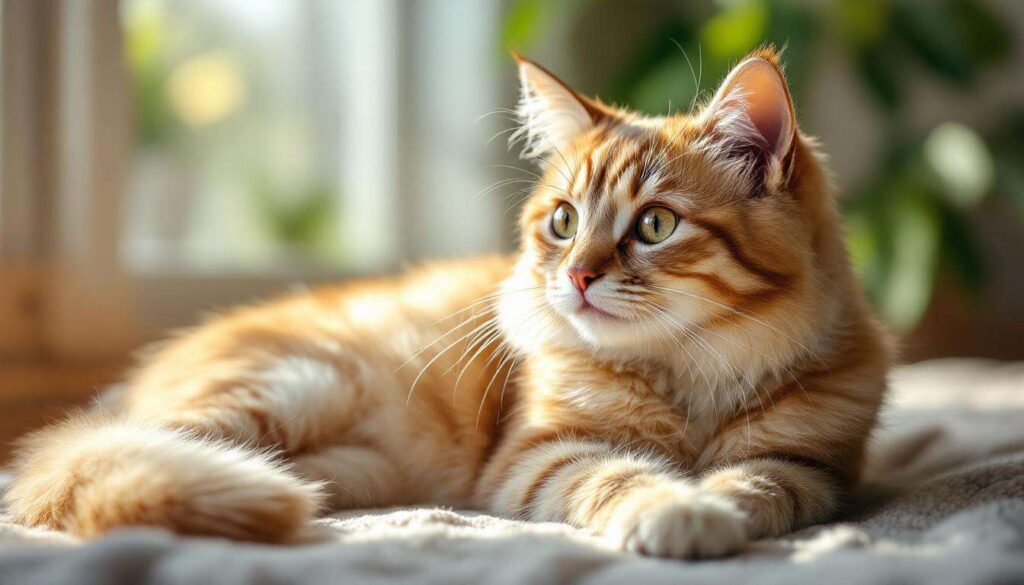
Cat owners considering neutering often wonder whether the procedure will fundamentally alter their beloved pet’s character. This concern stems from observations that neutered cats sometimes exhibit different behaviours compared to their intact counterparts. The reality lies somewhere between complete transformation and no change at all, with hormonal shifts playing a significant role in certain aspects of feline behaviour whilst leaving core personality traits largely intact. Understanding these nuances helps owners make informed decisions and set realistic expectations about their cat’s post-operative life.
Neutering: impacts on feline behaviour
Hormonal changes and their consequences
The neutering procedure removes the primary source of reproductive hormones in cats, leading to measurable behavioural modifications. Testosterone in males and oestrogen in females directly influence specific actions related to mating and territorial defence. Once these hormones diminish, certain behaviours naturally decrease in intensity or frequency. However, the fundamental temperament of a cat remains remarkably stable throughout this hormonal transition.
Reduced aggression and territorial marking
Male cats particularly benefit from neutering in terms of aggression reduction. Studies demonstrate that approximately 90% of neutered males show decreased aggressive tendencies towards other cats and humans. The most noticeable changes include:
- Significant reduction in urine spraying to mark territory
- Decreased fighting with neighbourhood cats
- Less vocal aggression during mating season
- Reduced wandering behaviour in search of mates
| Behaviour | Intact males | Neutered males |
|---|---|---|
| Urine spraying | 85% | 10% |
| Roaming | 90% | 20% |
| Fighting | 75% | 15% |
Affection levels and human bonding
Many owners report that neutered cats become more affectionate following the procedure. This perception arises partly because cats spend less time obsessing over reproductive urges and more time engaging with their human families. The reduction in stress hormones associated with mating drives allows cats to relax more fully in their domestic environment. Nevertheless, a naturally aloof cat will not suddenly transform into a lap cat simply through neutering.
These behavioural adjustments naturally lead to considerations about the physical transformations that accompany the procedure.
Physical effects of neutering
Metabolic rate modifications
Neutering triggers a reduction in metabolic rate of approximately 20-30% in most cats. This physiological change occurs because reproductive hormones previously maintained higher energy expenditure. The body requires fewer calories to maintain basic functions, making weight gain a genuine concern if dietary adjustments are not implemented promptly. Veterinary professionals recommend reducing caloric intake by roughly 25% following neutering to prevent obesity.
Body composition alterations
Physical changes extend beyond simple weight gain. Neutered cats typically develop:
- Increased body fat percentage, particularly around the abdomen
- Slightly broader head structure in males neutered before full maturity
- Softer, sometimes denser coat texture
- Reduced muscle mass if activity levels decrease
Growth patterns in young cats
Cats neutered before reaching sexual maturity may experience slightly prolonged bone growth, resulting in marginally taller stature. This occurs because sex hormones normally signal growth plates to close. The difference remains subtle and does not constitute a health concern. Most veterinarians recommend neutering between four and six months of age to balance health benefits with appropriate physical development.
Understanding these physical changes provides context for examining how cats interact with others after the procedure.
Social behaviour after castration
Interactions with other household cats
Multi-cat households often experience improved harmony following neutering. The reduction in competition for mating opportunities eliminates a major source of tension between cats. Previously antagonistic relationships may soften, though established hierarchies typically persist. Neutering works best when performed before aggressive patterns become deeply ingrained, ideally before cats reach one year of age.
Outdoor encounters and territory disputes
Neutered cats demonstrate markedly different behaviour during outdoor encounters. They show less interest in patrolling large territories and engaging in confrontations with neighbouring cats. This reduction in risky behaviour translates to fewer injuries, abscesses and disease transmission. Statistics indicate that neutered cats have:
| Risk factor | Reduction percentage |
|---|---|
| Fight-related injuries | 70-80% |
| Road traffic accidents | 60% |
| Infectious disease exposure | 50-65% |
Play behaviour and activity levels
Whilst some owners worry about reduced playfulness, research suggests that core play drive remains intact in neutered cats. The type of play may shift slightly, with less aggressive hunting-style play and more gentle interactive games. Maintaining regular play sessions prevents the lethargy sometimes associated with neutering, ensuring cats remain physically and mentally stimulated throughout their lives.
These social dynamics connect closely with how neutering influences a cat’s relationship with food.
Changes in dietary habits
Increased appetite and food-seeking behaviour
One of the most consistent post-neutering changes involves heightened interest in food. Without reproductive hormones suppressing appetite, many cats become noticeably more food-motivated. This increased hunger does not reflect genuine nutritional need but rather hormonal shifts affecting satiety signals. Owners must resist the temptation to overfeed despite their cat’s persuasive requests for additional meals.
Nutritional requirements post-neutering
Adapting diet composition proves essential for maintaining healthy weight. Neutered cats benefit from:
- Higher protein content to preserve muscle mass
- Reduced fat levels to account for slower metabolism
- Increased fibre to promote satiety
- Controlled portion sizes based on ideal body weight
Many pet food manufacturers produce specially formulated diets for neutered cats, addressing these specific nutritional needs. Transitioning to such foods within weeks of surgery helps prevent weight gain before it becomes problematic.
Preventing obesity complications
Weight management following neutering requires vigilance. Obesity in cats leads to serious health consequences including diabetes, arthritis and urinary problems. Regular weigh-ins allow early detection of unwanted weight gain. Veterinarians recommend maintaining cats at their ideal body condition, where ribs remain easily palpable beneath a thin fat layer. Interactive feeding methods, such as puzzle feeders, combine mental stimulation with portion control.
Food interests naturally intersect with another fundamental feline behaviour: hunting.
Neutering and hunting instinct
Predatory drive persistence
Contrary to common misconception, neutering does not eliminate hunting instinct. This behaviour stems from deeply ingrained predatory programming rather than reproductive hormones. Neutered cats continue catching mice, birds and insects with the same enthusiasm as their intact counterparts. The hunting drive represents a separate behavioural system unaffected by reproductive status.
Activity patterns and prey pursuit
Whilst hunting ability remains intact, hunting frequency may decrease slightly in neutered cats. This reduction correlates with decreased roaming rather than diminished skill or interest. Cats covering smaller territories encounter fewer prey opportunities. However, when presented with hunting situations, neutered cats display identical stalking, pouncing and capturing behaviours as unneutered cats.
Environmental enrichment for indoor cats
Indoor neutered cats require outlets for their predatory instincts. Providing appropriate enrichment prevents frustration and maintains mental health. Effective strategies include:
- Interactive toys mimicking prey movement
- Scheduled play sessions replicating hunting sequences
- Puzzle feeders encouraging food “capture”
- Window perches for observing outdoor wildlife
These activities satisfy instinctual needs whilst keeping cats physically active and mentally engaged, counteracting potential post-neutering lethargy.
Recognising these behavioural continuities helps owners implement effective post-operative care strategies.
Managing post-neutering changes
Immediate post-operative care
The first weeks following neutering require careful monitoring. Cats need quiet recovery space away from other pets and excessive activity. Pain management, typically through veterinary-prescribed medication, ensures comfort during healing. Most cats return to normal activity within 7-10 days, though full hormonal adjustment takes several weeks to months.
Long-term lifestyle adaptations
Successfully managing a neutered cat’s wellbeing involves several key adjustments:
- Implementing appropriate calorie-controlled diet immediately post-surgery
- Establishing regular play routines to maintain muscle tone
- Monitoring weight monthly during the first year
- Providing environmental enrichment to prevent boredom
- Scheduling annual veterinary check-ups to assess overall health
Recognising persistent problematic behaviours
Occasionally, undesirable behaviours persist despite neutering. Urine spraying continuing beyond three months post-surgery may indicate medical issues or deeply entrenched habits requiring behavioural intervention. Similarly, aggression persisting after hormonal adjustment suggests underlying anxiety or territorial concerns needing professional assessment. Consulting veterinary behaviourists provides targeted solutions for these complex situations.
Neutering represents a significant but manageable change in a cat’s life. The procedure modifies hormone-driven behaviours such as aggression, roaming and territorial marking whilst leaving core personality traits fundamentally unchanged. Physical effects, particularly metabolic changes, require proactive dietary management to prevent obesity. Social interactions often improve, and hunting instincts remain intact despite reduced roaming. With appropriate care adjustments, neutered cats lead healthy, content lives whilst contributing to responsible pet ownership and population control. The key lies in understanding which changes to expect and implementing supportive strategies that honour both the cat’s altered physiology and enduring feline nature.