


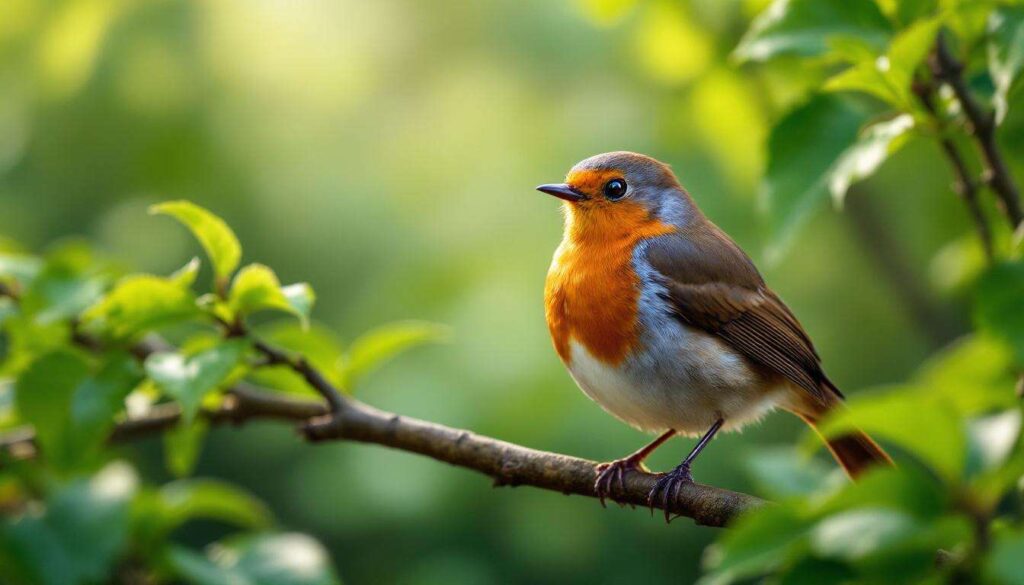
The robin redbreast, with its distinctive orange-red chest and cheerful demeanour, has captured the hearts of gardeners and nature enthusiasts across Britain for generations. This small passerine bird, scientifically known as Erithacus rubecula, is far more than just a pretty face in our outdoor spaces. From its fearless territorial displays to its melodious song that brightens even the gloomiest winter mornings, the robin embodies a unique combination of characteristics that set it apart from other garden visitors. Its willingness to approach humans whilst digging in flowerbeds, coupled with its year-round presence in British gardens, has cemented its status as one of our most beloved avian companions.
The symbol of spring and festivities: the robin’s place in popular culture
Christmas cards and Victorian traditions
The robin’s association with Christmas festivities dates back to Victorian Britain, when postmen wore red uniforms and were affectionately nicknamed “robins”. As these postmen delivered Christmas cards, the bird itself became intertwined with yuletide imagery. Today, robins appear on countless Christmas cards, decorations, and festive merchandise, making them as synonymous with the season as holly and mistletoe.
Literary and cultural references
British literature and folklore are rich with robin references. The bird features prominently in:
- Traditional nursery rhymes such as “Who Killed Cock Robin ?”
- Frances Hodgson Burnett’s The Secret Garden, where a robin guides Mary to the hidden garden
- Countless poems celebrating the bird’s cheerful presence during harsh winters
- Local legends attributing the robin’s red breast to various compassionate acts
The robin’s symbolic significance extends beyond mere decoration. It represents hope, renewal, and resilience, qualities that resonate deeply with British cultural identity. Its appearance in gardens during the coldest months serves as a reminder that life persists even in adversity.
Beyond its cultural symbolism, the robin’s behaviour in gardens reveals an equally fascinating aspect of its character that often surprises observers.
Territorial behaviour: a bold and solitary bird
Fierce defence of territory
Contrary to its gentle appearance, the robin is remarkably aggressive when defending its territory. Both male and female robins maintain individual territories throughout most of the year, a behaviour unusual among British songbirds. They will vigorously challenge any intruder, including other robins, often engaging in physical confrontations that can occasionally result in serious injury or death.
Visual territorial displays
The robin’s distinctive red breast serves a crucial purpose beyond aesthetics. It functions as a warning signal to potential rivals. When confronting an intruder, a robin will:
- Puff out its red breast to appear larger and more threatening
- Adopt an upright posture whilst swaying from side to side
- Sing loudly to assert dominance
- Chase the intruder persistently until it leaves the territory
| Territory Size | Season | Behaviour |
|---|---|---|
| 0.5-1.0 hectare | Breeding season | Pairs defend jointly |
| 0.2-0.5 hectare | Winter | Individual defence |
This territorial aggression explains why gardeners rarely see multiple robins together. Each bird jealously guards its patch, ensuring exclusive access to food resources within its domain.
Whilst their territorial nature might seem harsh, robins compensate with another remarkable quality that endears them to humans.
The beauty of the robin’s song: a recognisable melody
Year-round vocalisations
Unlike many British birds that fall silent outside the breeding season, robins sing throughout the year. Their melodious warbling can be heard on crisp winter mornings and warm summer evenings alike. The song consists of a series of liquid, warbling phrases that are both melancholic and uplifting, perfectly suited to the British climate and temperament.
Distinctive characteristics of robin song
The robin’s vocal repertoire includes several distinct elements:
- A sweet, warbling territorial song used by both sexes
- A sharp “tic-tic-tic” alarm call when danger threatens
- A thin, high-pitched “seee” contact call
- Subsong: a quieter, rambling version performed during autumn and winter
Remarkably, robins are among the few British birds that sing at night, particularly in urban areas where artificial lighting extends their active hours. This nocturnal singing has led to many robins being mistaken for nightingales by hopeful listeners.
The accessibility of their song matches perfectly with another characteristic that makes robins particularly special to garden enthusiasts.
A familiar and approachable bird in our gardens
Boldness around humans
Robins display an extraordinary confidence around people that distinguishes them from most other wild birds. This boldness stems from their natural behaviour of following large animals, such as wild boar, to feed on invertebrates disturbed by their rooting. In gardens, humans digging soil serve the same purpose, and robins quickly learn to associate gardening activity with feeding opportunities.
Building trust with garden robins
Gardeners can develop remarkable relationships with robins through:
- Regular feeding with mealworms, which robins particularly favour
- Maintaining a consistent presence in the garden
- Moving slowly and predictably to avoid startling the bird
- Offering food from an outstretched hand once trust is established
Many gardeners report robins perching on spade handles or even landing on their hands to snatch worms. This unique interaction creates a connection between human and wildlife that few other species offer so readily.
| Distance from Humans | Robin Behaviour | Other Garden Birds |
|---|---|---|
| Within 1 metre | Comfortable feeding | Usually flee |
| Hand-feeding | Often possible | Rarely achieved |
This approachability becomes particularly valuable during the challenging winter months when robins must employ various strategies to survive.
Winter survival strategies of the European robin
Adapting to cold conditions
British winters present significant challenges for small birds like robins. With a body weight of just 16-22 grams, they must consume approximately one-third of their body weight daily to maintain their energy levels during cold weather. Their survival depends on efficient foraging and energy conservation.
Dietary flexibility
Robins adapt their diet seasonally to maximise survival chances:
- Spring and summer: predominantly insects, spiders, and earthworms
- Autumn: berries and fruit supplement their diet
- Winter: increased reliance on garden feeders and human-provided food
- Year-round opportunism: taking advantage of any available food source
Behavioural adaptations
To survive harsh winters, robins employ several crucial strategies. They fluff their feathers to create insulating air pockets, reducing heat loss by up to 30%. During extreme cold, they enter a state of controlled hypothermia at night, lowering their body temperature slightly to conserve energy. Garden robins also benefit from human proximity, as buildings and structures provide shelter and warmth.
These remarkable survival abilities contribute to the robin’s broader role within the natural world around us.
The importance of the robin in the biodiversity of our ecosystem
Pest control services
Robins provide valuable ecosystem services in gardens and woodlands. Their diet includes numerous invertebrates considered garden pests, such as:
- Aphids and their larvae
- Caterpillars that damage plants
- Beetles and weevils
- Spiders and small snails
A single robin can consume hundreds of insects daily during the breeding season, providing natural pest control that reduces the need for chemical interventions.
Seed dispersal and pollination
Whilst primarily insectivorous, robins consume berries and fruit during autumn and winter, subsequently dispersing seeds throughout their territory. This behaviour aids plant reproduction and contributes to habitat diversity.
Indicator species status
Robins serve as valuable indicators of environmental health. Their presence and breeding success reflect:
| Environmental Factor | Robin Response | Indication |
|---|---|---|
| Invertebrate abundance | Successful breeding | Healthy ecosystem |
| Pesticide use | Population decline | Toxic environment |
| Habitat quality | Territory establishment | Suitable conditions |
The robin’s adaptability to human-modified landscapes makes it particularly valuable for monitoring urban biodiversity. Their thriving populations in gardens demonstrate that wildlife can coexist with human activity when appropriate habitats are maintained.
The robin’s enduring appeal stems from this perfect combination of aesthetic beauty, behavioural fascination, and ecological importance. Its vibrant plumage brightens grey winter days, whilst its confident personality creates memorable interactions with garden enthusiasts. The territorial displays reveal surprising ferocity beneath the charming exterior, and the year-round song provides a constant soundtrack to British gardens. Most significantly, the robin’s ecological contributions remind us that even small creatures play vital roles in maintaining healthy environments. By welcoming robins into our gardens and understanding their needs, we not only enjoy their delightful presence but also support broader biodiversity and ecosystem health.