



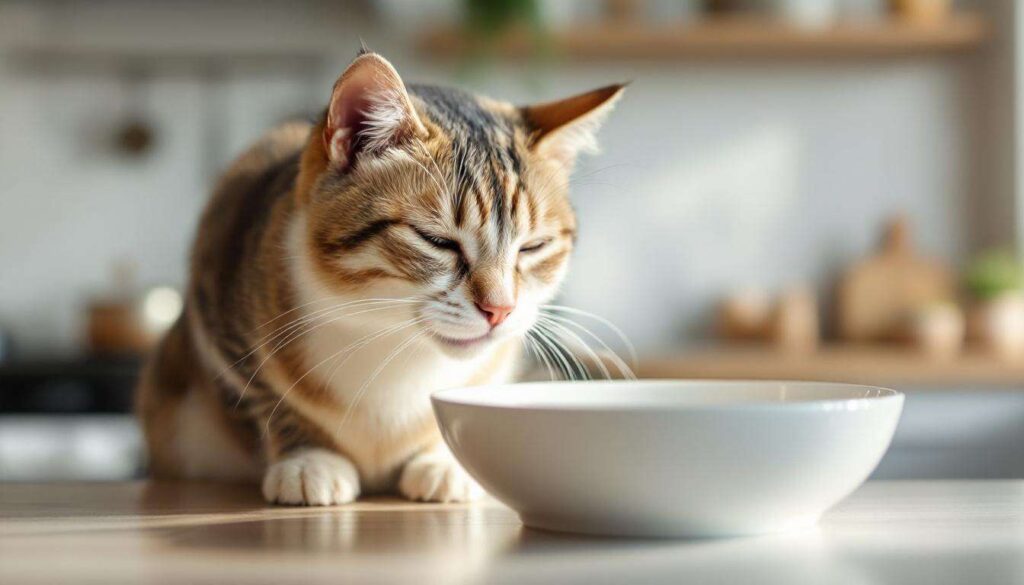
Many cat owners reach for a standard food bowl without considering whether it truly suits their feline companion. Yet the humble food bowl, whilst ubiquitous in homes across the country, may not be the optimal choice for feeding cats. From whisker discomfort to postural strain, these everyday items can create unexpected challenges that affect a cat’s eating behaviour and overall well-being. Understanding the limitations of traditional bowls and exploring more suitable alternatives can make a significant difference to your pet’s daily comfort and health.
Why food bowls aren’t ideal for cats
The physiological mismatch between cats and standard bowls
Cats possess highly sensitive whiskers that serve as crucial sensory tools, helping them navigate their environment and assess spatial dimensions. When a cat attempts to eat from a deep or narrow bowl, these delicate whiskers repeatedly brush against the sides, creating an uncomfortable sensation. This friction can lead to a condition known as whisker stress, which manifests in several distinctive behaviours that attentive owners may notice during mealtimes.
The design of most food bowls fails to account for the anatomical structure of cats. Unlike dogs, which tend to plunge their entire muzzle into a bowl, cats prefer to eat in a more measured fashion, accessing food without excessive contact with container edges. Standard bowls, particularly those marketed for general pet use, often prioritise aesthetic appeal or convenience for owners rather than the specific needs of feline physiology.
Behavioural indicators of bowl-related discomfort
Observant cat owners may notice several telltale signs that their pet is struggling with an unsuitable food bowl:
- The cat uses its paw to extract food from the bowl before eating it off the floor
- Significant amounts of food remain uneaten, particularly around the bowl’s edges
- The cat consumes only food from the centre of the bowl, leaving a ring of kibble untouched
- Visible hesitation or agitation before approaching the feeding area
These behaviours are not simply quirks of personality but rather adaptive responses to an uncomfortable feeding situation. When cats consistently exhibit such patterns, it suggests that the feeding vessel itself may be contributing to their reluctance or altered eating habits.
Beyond whisker-related concerns, the physical design of food bowls presents additional challenges that warrant closer examination.
The hidden dangers of food bowls
Postural strain and musculoskeletal concerns
Cats naturally adopt a crouched feeding posture when hunting and consuming prey in the wild. However, bowls placed directly on the floor force domestic cats to lower their heads significantly, creating an unnatural angle that places strain on the neck, shoulders, and spine. This repeated stress during daily meals can accumulate over time, potentially contributing to discomfort or musculoskeletal issues, particularly in older cats or those with existing joint problems.
The relationship between feeding height and digestive comfort deserves particular attention. When cats eat with their heads positioned well below their stomachs, gravity works against the natural flow of food through the oesophagus. This awkward positioning may contribute to digestive difficulties, including regurgitation or discomfort following meals, especially in cats that eat quickly or consume larger portions.
Material-related health risks
The composition of food bowls introduces another layer of concern. Plastic bowls, whilst inexpensive and lightweight, present several potential problems:
| Material | Advantages | Disadvantages |
|---|---|---|
| Plastic | Lightweight, inexpensive, colourful | Harbours bacteria in scratches, may cause chin acne, can leach chemicals |
| Ceramic | Heavy and stable, easy to clean, attractive | Can chip or crack, may contain lead in glazes, breakable |
| Stainless steel | Hygienic, durable, dishwasher safe, non-porous | Can be noisy, may slide easily, less decorative |
Plastic bowls develop microscopic scratches through regular use and washing, creating ideal environments for bacterial colonisation. These bacteria can contribute to feline acne, particularly around the chin area where contact with the bowl edge is frequent. Additionally, some plastics may trigger allergic reactions in sensitive cats, manifesting as skin irritation or digestive upset.
Understanding these hidden dangers helps explain why many cats exhibit problematic feeding behaviours, but recognising owner mistakes is equally important.
Common mistakes to avoid when feeding your cat
Size and depth miscalculations
One of the most frequent errors involves selecting a bowl based on visual appeal or perceived capacity rather than functional suitability. Many owners choose bowls that are too deep, assuming that greater depth means less frequent refilling. However, deep bowls exacerbate whisker stress and force cats into uncomfortable feeding positions. The ideal bowl should be shallow enough that a cat can access food without significant whisker contact with the sides.
Conversely, bowls that are too narrow create similar problems. A cat’s face should fit comfortably within the bowl’s diameter without whiskers touching the edges. As a general guideline, bowls should be wider than the span of a cat’s whiskers when they are fully extended, typically requiring a diameter of at least 12 to 15 centimetres for most adult cats.
Placement and positioning errors
The location of food bowls significantly impacts a cat’s willingness to eat comfortably. Common placement mistakes include:
- Positioning bowls in high-traffic areas where cats feel exposed or interrupted
- Placing food too close to litter trays, which conflicts with cats’ natural hygiene instincts
- Situating bowls in corners or against walls, limiting the cat’s ability to survey surroundings whilst eating
- Using the same location for multiple cats without providing adequate spacing
Cats are instinctively cautious creatures that prefer to maintain situational awareness whilst eating. Bowls placed in exposed or uncomfortable locations may discourage regular eating or create anxiety around mealtimes, even if the bowl itself is otherwise suitable.
Neglecting individual preferences and needs
Every cat possesses unique preferences and physical characteristics that should inform feeding vessel selection. A bowl suitable for a small, young cat may prove entirely inappropriate for a large, senior feline. Similarly, cats with flat faces, such as Persians or Exotic Shorthairs, require different bowl configurations than breeds with longer muzzles. Failing to account for these individual variations represents a significant oversight that can compromise feeding comfort and nutritional intake.
Recognising these common mistakes naturally leads to consideration of what alternatives might better serve feline feeding needs.
Alternatives to traditional bowls
Flat plates and shallow dishes
Many cats respond positively to flat plates or very shallow dishes that eliminate whisker contact entirely. These alternatives allow cats to see all available food clearly and access it without navigating bowl edges. Plates designed specifically for cats typically feature a slight lip to prevent food from sliding off whilst maintaining the benefits of a flat feeding surface. This simple modification can dramatically improve the feeding experience for cats suffering from whisker stress.
Puzzle feeders and slow-feed options
For cats that eat too quickly or require mental stimulation, puzzle feeders offer an engaging alternative to standard bowls. These devices require cats to manipulate components or navigate obstacles to access food, which slows consumption and provides enrichment. However, it remains essential to ensure that puzzle feeders do not inadvertently create new sources of whisker stress through narrow openings or confined spaces.
Slow-feed bowls with raised ridges or patterns can help prevent rapid eating without the complexity of full puzzle feeders. These designs encourage cats to eat more deliberately, which may reduce regurgitation and improve digestion. When selecting such bowls, verify that the ridges are appropriately spaced to accommodate your cat’s whiskers comfortably.
Elevated feeding stations
Raised feeding platforms address the postural concerns associated with floor-level bowls. By elevating food to approximately chest height, these stations allow cats to eat in a more natural position that reduces neck and shoulder strain. Elevated feeders prove particularly beneficial for senior cats, those with arthritis, or cats with megaoesophagus or other conditions that make swallowing difficult.
When implementing elevated feeding, ensure the height is appropriate for your individual cat. The food surface should align roughly with the cat’s lower chest when standing in a natural position, neither requiring significant reaching nor excessive lowering of the head.
With various alternatives available, selecting the most appropriate option requires careful consideration of multiple factors.
Choosing the right container for feeding your cat
Material considerations for health and safety
Stainless steel emerges as the optimal material choice for most cat feeding containers. This material resists bacterial growth, withstands repeated washing without degrading, and does not harbour allergens. Medical-grade stainless steel bowls offer the highest quality, though food-grade options provide excellent performance at lower cost. The primary disadvantage of stainless steel involves its tendency to slide across smooth floors, though this can be addressed with rubber bases or non-slip mats.
Ceramic bowls represent a viable alternative when sourced from reputable manufacturers who use lead-free glazes. Quality ceramic provides weight and stability that prevents tipping whilst offering easy cleaning. However, inspect ceramic bowls regularly for chips or cracks that could harbour bacteria or injure your cat’s mouth.
Dimensions and shape specifications
The ideal feeding container should meet these specifications:
- Width: at least 12-15 centimetres in diameter to accommodate extended whiskers
- Depth: no more than 3-5 centimetres to minimise whisker contact
- Base: sufficiently wide to prevent tipping during use
- Edges: smooth and rounded rather than sharp or angular
Containers with sloped sides rather than vertical walls often prove more comfortable, as they reduce the likelihood of whisker contact whilst still containing food effectively. The base should provide stability without excessive weight, allowing for easy movement when cleaning whilst remaining secure during feeding.
Special considerations for multiple-cat households
Homes with several cats require additional planning to ensure each animal can eat comfortably without competition or stress. Provide separate feeding stations for each cat, ideally in different locations to reduce territorial tension. Select containers appropriate for each individual cat’s size and preferences rather than using identical bowls for all pets. This personalised approach recognises that cats have distinct needs and helps prevent feeding-related conflicts.
Proper selection of feeding containers must be complemented by appropriate maintenance practices to ensure ongoing health and safety.
The cleaning and hygiene of food containers
Daily cleaning protocols
Food containers require washing after every meal to prevent bacterial proliferation and odour development. Residual food particles, saliva, and moisture create ideal conditions for harmful bacteria to multiply rapidly. Wash containers with hot water and mild detergent, ensuring thorough rinsing to remove all soap residue. Stainless steel and ceramic bowls can typically withstand dishwasher cleaning, whilst hand-washing may be necessary for items with non-slip bases or decorative elements.
Even dry food leaves oils and particles that accumulate over time. Daily washing prevents the formation of biofilm, a sticky bacterial layer that can develop on container surfaces and prove difficult to remove once established. This practice also eliminates food odours that might discourage cats from eating.
Deep cleaning and sanitisation
Beyond daily washing, feeding containers benefit from periodic deep cleaning to eliminate stubborn residues and ensure complete sanitisation. Consider these approaches:
- Soaking containers in a dilute bleach solution (one part bleach to fifty parts water) for ten minutes, followed by thorough rinsing
- Using veterinary-approved sanitising products designed specifically for pet feeding equipment
- Running dishwasher-safe containers through a sanitise cycle weekly
After sanitising, allow containers to air dry completely before refilling with food. Moisture remaining on container surfaces can promote bacterial growth or cause dry food to become soggy, reducing its palatability and nutritional quality.
Replacement schedules and wear indicators
Feeding containers do not last indefinitely and should be replaced when showing signs of significant wear. Replace containers immediately if they develop cracks, deep scratches, chips, or persistent odours that cleaning cannot eliminate. Plastic bowls typically require replacement every six to twelve months, whilst stainless steel and ceramic options may last several years with proper care. Regular inspection helps identify wear before it compromises hygiene or safety.
Selecting appropriate feeding containers and maintaining them properly represents a straightforward yet impactful way to enhance your cat’s daily well-being. The transition from standard bowls to more suitable alternatives may initially seem unnecessary, but the improvements in feeding comfort, posture, and hygiene can significantly benefit feline health. By understanding the limitations of traditional bowls and implementing evidence-based alternatives, cat owners can create feeding environments that respect their pets’ natural behaviours and physiological needs. Attention to these details demonstrates the thoughtful care that distinguishes adequate pet ownership from truly excellent guardianship.