



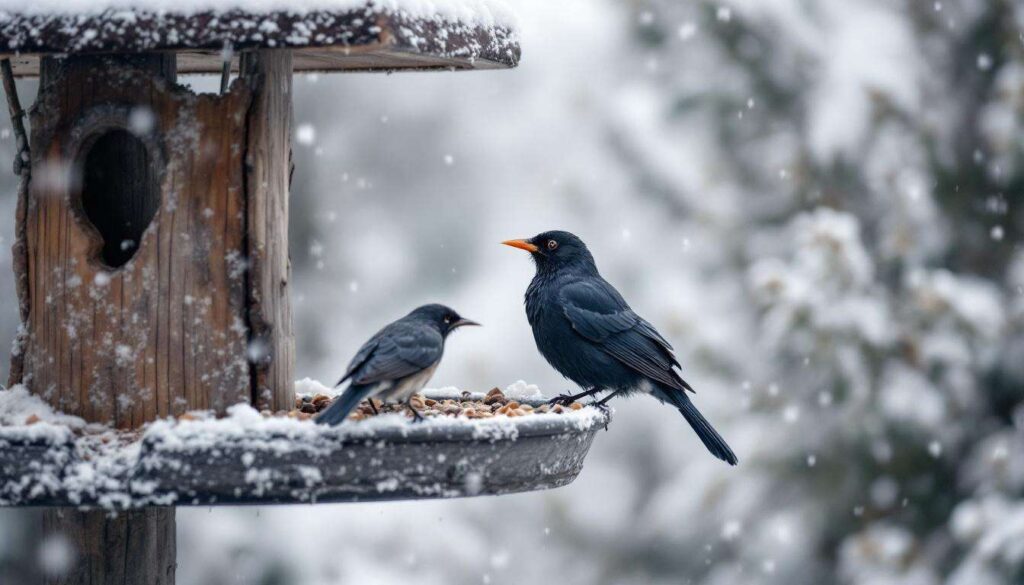
When winter arrives and temperatures plummet, many bird enthusiasts notice a puzzling phenomenon: blackbirds seem to abandon their garden feeders precisely when they should need them most. These familiar garden visitors, with their distinctive yellow beaks and melodious songs, suddenly become scarce around feeding stations whilst other species continue to visit regularly. This behaviour has baffled gardeners and ornithologists alike, yet understanding the reasons behind it reveals fascinating insights into blackbird biology and can help us support these beloved birds through the harshest months of the year.
Understanding blackbird behaviour in winter
Natural foraging instincts and ground-feeding preferences
Blackbirds possess deeply ingrained foraging behaviours that distinguish them from many other garden birds. Unlike tits or finches that naturally feed at height in trees, blackbirds are predominantly ground feeders by evolutionary design. Their strong legs and sharp beaks have evolved specifically for:
- turning over leaf litter to expose invertebrates
- probing soft soil for earthworms and grubs
- scratching through surface debris to uncover hidden food sources
- foraging amongst low vegetation and undergrowth
This instinctive ground-feeding behaviour remains constant throughout the year, even when food becomes scarce. During winter months, blackbirds continue to search for natural food sources at ground level, often overlooking elevated feeders that don’t align with their innate foraging patterns.
Territorial behaviour and winter survival strategies
Winter brings significant changes to blackbird social dynamics. Males become fiercely territorial during the colder months, defending feeding areas against rivals to ensure adequate food supplies. This territorial behaviour means that multiple blackbirds rarely congregate at feeders like other species, making their presence less noticeable. Additionally, blackbirds employ energy conservation strategies during cold spells, reducing unnecessary movement and focusing their efforts on the most reliable food sources rather than investigating novel feeding opportunities.
These behavioural characteristics explain much about why blackbirds appear to shun feeders, but the specific challenges posed by cold weather reveal even more about their feeding preferences.
Why do blackbirds avoid feeders when it gets cold ?
Feeder design incompatibility with blackbird anatomy
Most commercial bird feeders are designed with perching species in mind, featuring small perches, narrow feeding ports, or hanging mechanisms that suit tits, finches, and sparrows. Blackbirds, however, have a different body structure that makes these conventional feeders awkward or impossible to use:
| Feeder type | Suitability for blackbirds | Reason |
|---|---|---|
| Hanging tube feeders | Unsuitable | Too unstable for larger birds; perches too small |
| Mesh peanut feeders | Unsuitable | Blackbirds cannot cling like tits or woodpeckers |
| Small platform feeders | Marginal | Often too small for comfortable feeding |
| Ground feeding trays | Excellent | Matches natural foraging behaviour |
Food type preferences and winter availability
The contents of typical feeders often don’t appeal to blackbird dietary preferences. Whilst other garden birds readily consume seeds, blackbirds have a more varied diet that includes significant proportions of invertebrates, fruits, and berries. Standard seed mixes lack the nutritional profile blackbirds seek, particularly during winter when they require high-energy foods. When temperatures drop, frozen ground makes natural foraging more difficult, yet blackbirds may still prefer searching for scarce natural foods rather than consuming unfamiliar offerings at feeders they find physically challenging to access.
Recognising these preferences highlights why providing appropriate nutrition becomes crucial during the coldest months.
The importance of suitable feeding for blackbirds in winter
Nutritional requirements during cold weather
Winter presents severe physiological challenges for blackbirds. These medium-sized thrushes require substantial energy to maintain body temperature during freezing conditions, with their metabolic rate increasing significantly as temperatures fall. Adequate nutrition becomes critical for survival, yet natural food sources diminish drastically when:
- frozen ground prevents access to earthworms and soil invertebrates
- leaf litter becomes compacted under snow or ice
- berry supplies from autumn have been exhausted
- insect populations remain dormant until spring
Without supplementary feeding, blackbirds face genuine survival challenges during prolonged cold spells. Studies have shown that winter mortality rates increase significantly during harsh weather, particularly affecting first-year birds with limited experience of severe conditions.
Supporting breeding populations for the following season
The benefits of winter feeding extend beyond immediate survival. Blackbirds that enter spring in good physical condition have significantly higher breeding success rates. Well-nourished birds establish territories earlier, produce larger clutches, and raise healthier offspring. By providing appropriate winter nutrition, gardeners directly contribute to maintaining healthy blackbird populations that enrich gardens with their presence and pest-control services throughout the year.
Understanding these nutritional needs guides us towards effective feeding strategies that genuinely help blackbirds through winter.
Tips for properly feeding blackbirds during the cold season
Optimal food choices for winter blackbirds
Selecting appropriate foods makes the crucial difference between feeders blackbirds ignore and those they visit regularly. The most effective options include:
- mealworms (dried or live): excellent protein source that mimics natural invertebrate prey
- grated mild cheese: provides high-energy fats and proteins
- soaked raisins and sultanas: rehydrated dried fruits appeal to fruit-eating instincts
- chopped apples and pears: fresh fruit remains attractive even in cold weather
- porridge oats: filling carbohydrates that provide sustained energy
- softened dog or cat food: meat-based nutrition similar to invertebrate protein
Avoid offering dry bread, which provides minimal nutrition and can cause digestive problems, or salted foods that may harm birds.
Proper feeder placement and design
Where and how you present food matters enormously for blackbirds. Ground-level feeding stations or very low platform feeders work best, positioned near natural cover such as shrubs where blackbirds feel secure. Create a dedicated feeding area by clearing a patch of ground and using a ground feeding tray with drainage holes to prevent food becoming waterlogged. Place feeders approximately two metres from dense vegetation, allowing blackbirds quick escape routes from predators whilst maintaining clear sightlines to spot approaching threats.
Even with perfect food and placement, certain common practices can undermine your efforts to help blackbirds.
Mistakes to avoid when feeding blackbirds in winter
Inconsistent feeding schedules
One of the most detrimental mistakes involves irregular feeding patterns. Once blackbirds discover a reliable food source, they incorporate it into their daily foraging routine and may reduce time spent searching elsewhere. Suddenly stopping feeding during severe weather can leave birds without adequate alternatives when they most need supplementary nutrition. Establish a consistent schedule, ideally providing fresh food early morning when birds have depleted overnight energy reserves.
Poor hygiene and food quality management
Neglecting cleanliness at feeding stations poses serious health risks. Ground feeders accumulate droppings, mould, and bacteria that can spread diseases amongst bird populations. Essential hygiene practices include:
- cleaning feeding trays weekly with diluted disinfectant solution
- removing uneaten food daily to prevent spoilage
- rotating feeding locations periodically to prevent ground contamination
- discarding mouldy or wet food immediately
Additionally, overfeeding creates waste that attracts rats and other unwanted visitors. Provide only what blackbirds consume within a day, adjusting quantities based on actual consumption patterns.
Avoiding these pitfalls creates the foundation for successfully attracting blackbirds to your winter feeding stations.
Solutions to attract blackbirds to feeders in winter
Creating a blackbird-friendly garden environment
The most effective approach combines supplementary feeding with habitat enhancement. Blackbirds visit gardens that offer comprehensive resources beyond just food. Consider implementing:
- leaving areas of lawn slightly longer to harbour invertebrates
- maintaining leaf litter in borders where blackbirds can forage naturally
- planting berry-producing shrubs such as cotoneaster, pyracantha, or holly
- providing shallow water sources that don’t freeze completely
- creating dense shrub cover for roosting and shelter
Mulched borders remain particularly attractive as blackbirds easily turn over bark chips to find hidden invertebrates.
Gradual introduction and patience
Blackbirds may require considerable time to accept new feeding stations. Unlike opportunistic species that investigate novel food sources immediately, blackbirds approach changes cautiously. Start by scattering small amounts of appropriate food on bare ground near existing cover, gradually moving it closer to your intended feeding area over several weeks. Patience proves essential; some blackbirds take several weeks to regularly visit feeders, but once established, they often become daily visitors throughout winter.
By understanding blackbird behaviour, providing appropriate nutrition, avoiding common mistakes, and creating welcoming garden environments, we can successfully support these charismatic birds through winter’s challenges. The effort invested in proper blackbird feeding pays dividends not only in their survival but in the pleasure of watching these delightful birds thrive in our gardens. When temperatures drop and natural food becomes scarce, thoughtful supplementary feeding makes a genuine difference to blackbird welfare whilst strengthening the connection between people and the wildlife that shares our outdoor spaces.