


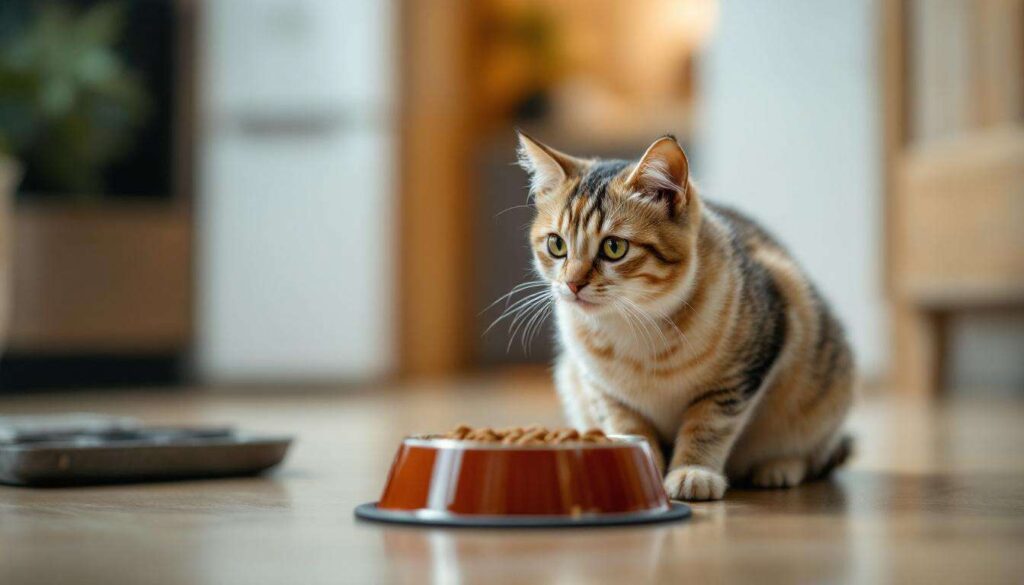
Cats have evolved as solitary hunters, yet many owners continue to serve their meals in traditional bowls without considering whether this method truly suits their feline companions. Recent observations by veterinarians and animal behaviourists suggest that conventional feeding bowls may not align with a cat’s natural instincts and physical needs. Understanding why these everyday items might be problematic can help cat owners make better choices for their pets’ health and happiness.
The impact of the bowl on cat behaviour
Whisker stress and feeding discomfort
One of the most significant issues with traditional food bowls relates to whisker fatigue, a condition that occurs when a cat’s sensitive whiskers repeatedly touch the sides of a narrow or deep bowl. These tactile hairs contain numerous nerve endings that send constant signals to the brain, and overstimulation can cause genuine discomfort. Cats experiencing whisker stress may exhibit several behavioural changes:
- Reluctance to eat from the bowl despite being hungry
- Pawing food out onto the floor before eating
- Appearing agitated or anxious during mealtimes
- Leaving food in the bowl whilst acting hungry
Postural problems during feeding
The height and design of standard bowls often force cats into unnatural feeding positions. When cats must bend their necks downwards at awkward angles, this can lead to digestive issues and musculoskeletal strain, particularly in older felines or those with arthritis. The consequences extend beyond immediate discomfort, potentially contributing to regurgitation and reduced appetite over time.
These physical and psychological factors demonstrate how something as simple as a feeding vessel can significantly affect daily feline life. Beyond these immediate concerns, the bowl itself may impose limitations on how cats consume their nutrition.
The nutritional limits of food bowls
Encouraging rapid consumption
Free-feeding from bowls often leads to cats consuming their entire daily portion in minutes rather than grazing throughout the day as their ancestors did. This rapid eating pattern can result in vomiting, obesity, and poor digestion. When food remains constantly available in a bowl, cats lose the natural rhythm of hunting, eating small meals, and resting between feeding sessions.
Portion control challenges
Traditional bowls make it difficult to regulate intake effectively. Many owners simply refill bowls when empty, leading to overfeeding and weight gain. The visual feedback from a bowl doesn’t encourage mindful feeding practices, and multiple-cat households face additional complications when trying to ensure each animal receives appropriate portions.
| Feeding method | Average eating time | Calories burned |
|---|---|---|
| Traditional bowl | 2-5 minutes | Minimal |
| Puzzle feeder | 15-30 minutes | Moderate |
| Multiple hidden locations | Throughout day | Significant |
Understanding these nutritional drawbacks highlights how feeding methods influence not just what cats eat, but how they engage with food. This connection to eating patterns reveals deeper issues related to a cat’s fundamental nature.
Encouraging natural hunting instincts in cats
The evolutionary mismatch
Domestic cats retain the predatory drive of their wild ancestors, who would hunt 10-20 small prey items daily. A bowl filled with food requires no stalking, pouncing, or problem-solving, leaving these instincts unfulfilled. This disconnection between evolutionary programming and modern feeding practices can manifest as behavioural problems including aggression, excessive vocalisation, and destructive activities.
Mental stimulation through feeding
When cats must work for their meals, they engage both physically and mentally. Foraging behaviour provides essential enrichment that reduces boredom and associated stress. Indoor cats particularly benefit from feeding methods that simulate hunting, as they lack the environmental stimulation outdoor cats naturally encounter.
- Reduces anxiety and stress-related behaviours
- Provides physical exercise during feeding
- Satisfies natural predatory sequences
- Decreases attention-seeking behaviours
Recognising the importance of these innate drives suggests that feeding should be reimagined as an enrichment opportunity. Fortunately, numerous alternatives exist that better accommodate feline needs.
Alternatives to traditional cat bowls
Puzzle feeders and slow-feed designs
Interactive puzzle feeders require cats to manipulate objects to access food, extending mealtimes and providing mental challenges. These devices range from simple designs with obstacles to complex puzzles with multiple compartments. Slow-feed bowls feature raised sections that force cats to eat around barriers, naturally reducing consumption speed without requiring learned behaviours.
Food-dispensing toys
Toys that release kibble when rolled or manipulated combine feeding with play, encouraging active foraging. These products allow cats to “hunt” their meals whilst burning calories and satisfying predatory instincts. Options include balls with adjustable openings, mice-shaped dispensers, and treat-releasing tracks.
Elevated and wide-rimmed feeders
For owners preferring bowl-style feeding, elevated platforms reduce neck strain, whilst shallow, wide dishes minimise whisker contact. These modifications address physical discomfort without completely abandoning familiar feeding methods.
With such varied options available, selecting the most appropriate solution requires consideration of individual feline characteristics and household circumstances.
How to choose the right feeder for your feline
Assessing your cat’s personality and abilities
The ideal feeding solution depends on several factors unique to each cat. Age, mobility, and cognitive function all influence which alternatives will succeed. Kittens and young cats typically adapt quickly to puzzle feeders, whilst senior cats may require gentler transitions. Cats with arthritis need elevated options rather than floor-level challenges.
Matching feeders to feeding goals
Different products address specific concerns:
- Weight management: puzzle feeders and portion-controlled dispensers
- Fast eating: slow-feed bowls and multiple small portions
- Boredom: rotating variety of interactive toys
- Whisker sensitivity: flat plates or wide, shallow dishes
Gradual implementation strategies
Introducing new feeding methods requires patience. Begin by placing familiar food in the new feeder alongside the traditional bowl, gradually reducing bowl availability as the cat becomes comfortable. Never force immediate change, as this can create food anxiety and refusal to eat.
Successfully implementing these alternatives leads to observable improvements in various aspects of feline health and behaviour.
The benefits of change for your cat’s well-being
Physical health improvements
Weight management becomes more achievable when feeding methods slow consumption and increase activity. Cats using puzzle feeders typically maintain healthier body conditions, reducing risks of diabetes, joint problems, and other obesity-related conditions. Improved digestion and reduced vomiting frequently follow when cats eat more slowly in comfortable positions.
Behavioural and psychological advantages
Owners report significant reductions in problem behaviours after implementing alternative feeding methods. Cats demonstrate decreased aggression, reduced nighttime activity, and less attention-seeking behaviour when their hunting instincts receive appropriate outlets. The mental stimulation provided by foraging activities contributes to overall contentment and reduces stress markers.
Enhanced human-animal bond
Interactive feeding creates opportunities for positive engagement between cats and owners. Observing a cat successfully solve a puzzle feeder or enthusiastically “hunt” hidden food portions strengthens the relationship whilst providing insight into the animal’s cognitive abilities and preferences.
Rethinking how cats receive their daily nutrition offers substantial benefits that extend well beyond the feeding area. Traditional bowls, whilst convenient, fail to accommodate the physical design and psychological needs of feline companions. By recognising whisker sensitivity, postural requirements, and innate hunting drives, owners can select feeding methods that transform mealtimes from routine tasks into enriching experiences. Whether through puzzle feeders, food-dispensing toys, or simply wider dishes, small changes to feeding practices can significantly improve a cat’s quality of life, supporting both physical health and mental well-being.