



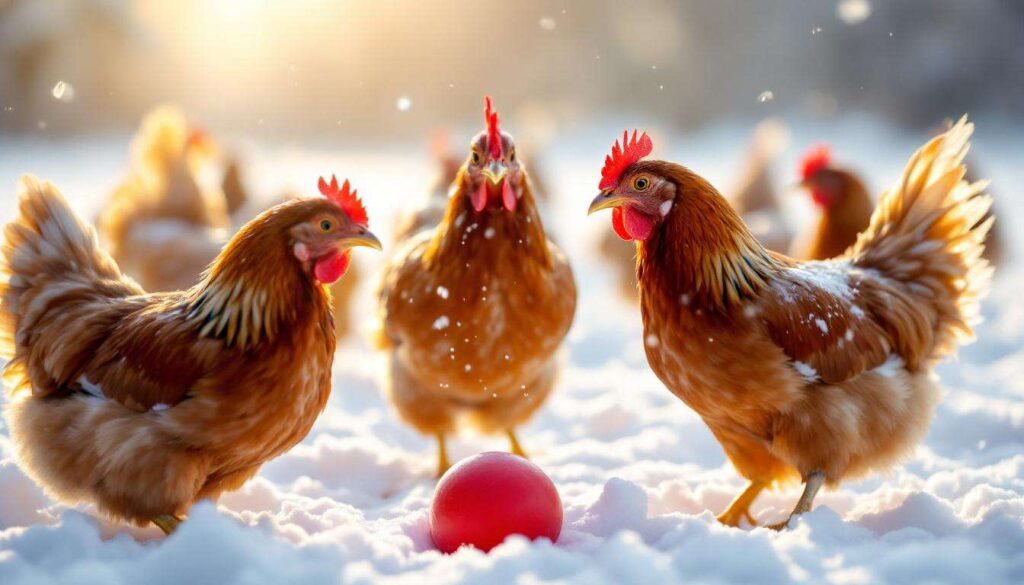
Keeping chickens active and engaged during the colder months presents unique challenges for poultry keepers. As frost settles on the ground and daylight hours diminish, hens naturally become less active, spending more time huddled in their coops. However, one surprisingly simple activity has proven to transform dreary winter days into moments of genuine excitement for backyard flocks across the country. This interactive game not only combats boredom but also encourages natural foraging behaviours that are essential for maintaining physical and mental health throughout the season.
The benefits of play for chickens in winter
Winter months can be particularly challenging for chickens, as their natural tendency to roam and forage becomes limited by weather conditions. Providing structured play opportunities during this period offers numerous advantages that extend far beyond simple entertainment.
Physical health improvements
Engaging chickens in playful activities during cold weather helps maintain their physical fitness and prevents the lethargy that often accompanies winter confinement. Regular movement stimulates circulation, which is crucial for keeping extremities warm and preventing frostbite on combs and wattles. Additionally, active chickens are less prone to obesity, a common problem when birds spend extended periods in confined spaces with limited exercise opportunities.
Mental stimulation and stress reduction
Chickens are intelligent creatures that require mental engagement to thrive. Play activities provide essential cognitive stimulation that prevents boredom-related behaviours such as:
- Feather pecking and cannibalism
- Egg eating
- Aggression towards flock mates
- Depression and listlessness
By introducing enrichment activities, keepers can significantly reduce stress levels within the flock, leading to happier, healthier birds that continue laying throughout winter.
Maintaining natural behaviours
Chickens have an innate drive to scratch, peck, and forage. Winter play sessions allow them to express these natural behaviours even when outdoor conditions are less than ideal. This behavioural outlet is essential for their psychological well-being and helps maintain the instincts they would rely upon in the wild.
Understanding these benefits naturally leads to examining what specifically happens to chicken behaviour when temperatures plummet.
Why the cold temperatures influence chicken behaviour
The relationship between ambient temperature and chicken activity levels is more complex than many keepers realise. Several physiological and environmental factors contribute to the behavioural changes observed during winter months.
Energy conservation mechanisms
Chickens are warm-blooded animals that must maintain a core body temperature of approximately 41°C. When external temperatures drop, they instinctively reduce activity to conserve energy for heat production. This survival mechanism, whilst effective for temperature regulation, can lead to reduced foraging, decreased social interaction, and prolonged periods of inactivity.
Daylight reduction effects
Shorter days directly impact chicken behaviour through hormonal changes triggered by reduced light exposure. The following table illustrates the relationship between daylight hours and typical chicken activity:
| Season | Average daylight hours | Activity level | Foraging time |
|---|---|---|---|
| Summer | 16-18 hours | High | 8-10 hours |
| Winter | 8-10 hours | Low to moderate | 3-5 hours |
Environmental limitations
Snow, ice, and frozen ground create physical barriers to normal foraging behaviour. Chickens are reluctant to walk on cold, wet surfaces, and their natural scratching behaviour becomes impossible when the ground is frozen solid. These environmental constraints further compound the tendency towards inactivity during winter.
Given these challenges, discovering an activity that genuinely excites chickens during cold weather becomes particularly valuable.
Introducing chickens’ favourite cold weather game
The activity that consistently generates the most enthusiasm amongst winter-weary chickens is remarkably straightforward: the warm vegetable toss game. This simple yet effective enrichment activity involves scattering warm, cooked vegetables throughout the chicken run or coop, encouraging natural foraging behaviours whilst providing nutritional benefits.
How the game works
The concept is elegantly simple. Keepers prepare a selection of warm vegetables and scatter them across the chickens’ environment, creating an impromptu treasure hunt that engages their natural instincts. The warmth of the vegetables provides an additional incentive, as chickens are naturally attracted to heat sources during cold weather.
Why chickens love this activity
Several factors contribute to the overwhelming popularity of this game amongst chickens:
- The warmth of the vegetables provides immediate comfort and attracts attention
- Scattering creates a foraging challenge that engages natural behaviours
- The variety of textures and flavours stimulates multiple senses
- Competition amongst flock members adds excitement and social interaction
- The activity provides both mental stimulation and physical exercise
Observed behavioural responses
Keepers who regularly implement this game report remarkable transformations in flock behaviour. Lethargic hens suddenly become animated, rushing to investigate the scattered treats. Even the most reserved birds typically join the activity, and the resulting energy can persist for hours after the game concludes.
To successfully implement this activity, certain materials and preparations are necessary.
Necessary equipment to keep your chickens entertained in the cold
Whilst the warm vegetable game requires minimal investment, having the right equipment ensures optimal results and makes regular implementation more convenient.
Essential items
The following equipment will facilitate successful game sessions:
- Large cooking pot for preparing vegetables
- Colander for draining cooked items
- Bucket or container for transporting warm vegetables to the coop
- Protective gloves to prevent burns when handling hot items
- Chopping board and knife for preparing larger vegetables
Suitable vegetables for the game
Not all vegetables are equally suitable for this activity. The following options have proven most effective and safe:
| Vegetable | Preparation | Popularity rating | Nutritional benefit |
|---|---|---|---|
| Cabbage | Quartered, lightly cooked | Excellent | Vitamin C, fibre |
| Sweetcorn | Whole cobs, boiled | Outstanding | Energy, vitamins |
| Squash | Cubed, steamed | Very good | Beta-carotene |
| Potatoes | Mashed or cubed, cooked | Good | Carbohydrates |
Optional enhancement items
To increase engagement and variety, consider incorporating these additional elements:
- Hanging feeders for suspending whole vegetables
- Treat balls that dispense food when rolled
- Mirror or reflective surfaces to add visual interest
- Natural perches at varying heights for observation points
With the proper equipment assembled, attention turns to the practical aspects of organising these sessions.
Tips for organising this fun time for your poultry
Successful implementation of the warm vegetable game requires thoughtful planning and attention to timing, preparation, and safety considerations.
Optimal timing for game sessions
The timing of this activity significantly impacts its effectiveness. Early afternoon typically provides the best results, as chickens have completed their morning routines and temperatures have reached their daily peak. Aim for sessions lasting between 20 and 45 minutes, allowing sufficient time for all birds to participate without causing overstimulation.
Preparation guidelines
Proper preparation ensures both safety and maximum enjoyment:
- Cook vegetables until tender but not mushy to maintain structural integrity
- Allow items to cool slightly to prevent burns whilst maintaining warmth
- Cut larger vegetables into manageable pieces appropriate for chicken consumption
- Remove any seasonings, oils, or additives that might be harmful
- Prepare quantities appropriate to flock size, approximately 50-100g per bird
Distribution techniques
How vegetables are distributed influences the quality of engagement. Scatter items widely across the available space to encourage movement and prevent dominant birds from monopolising resources. Create multiple feeding stations and vary the hiding difficulty to accommodate chickens with different confidence levels.
Safety considerations
Whilst generally safe, certain precautions are essential:
- Never use vegetables seasoned with salt, spices, or other additives
- Avoid toxic items such as raw potatoes, avocado, or onions
- Monitor the flock during initial sessions to identify any adverse reactions
- Remove uneaten vegetables after several hours to prevent spoilage
- Ensure adequate ventilation if conducting the activity indoors
Beyond this single activity, a broader approach to winter enrichment yields even greater benefits.
Enhancing your chickens’ well-being with suitable activities
Whilst the warm vegetable game provides excellent enrichment, combining it with complementary activities creates a comprehensive winter wellness programme for your flock.
Additional enrichment strategies
Consider implementing these supplementary activities to maintain year-round engagement:
- Dust bathing areas filled with sand or wood ash, even in covered spaces
- Perch variety at different heights to encourage movement and exercise
- Hanging greens such as cabbage or lettuce for pecking entertainment
- Scratch grain scattered in deep bedding to promote natural foraging
- Novel objects introduced periodically to stimulate curiosity
Monitoring flock response
Regular observation helps assess the effectiveness of enrichment efforts. Healthy, engaged chickens display bright eyes, active movement, consistent vocalisation, and normal laying patterns. Any deviation from these indicators suggests adjustments may be necessary.
Long-term benefits of consistent enrichment
Flocks receiving regular winter enrichment demonstrate measurable improvements in overall health, productivity, and behaviour. Keepers report reduced veterinary interventions, maintained egg production throughout winter, and calmer, more sociable birds that are easier to handle and manage.
Investing time in these activities creates a positive cycle where healthier, happier chickens require less intervention and provide greater satisfaction to their keepers. The relatively small effort required to implement such programmes yields dividends that extend well beyond the winter months, establishing behavioural patterns and flock dynamics that persist throughout the year.
The simple act of scattering warm vegetables on a cold winter’s day demonstrates how understanding chicken behaviour and meeting their natural needs can transform routine care into genuine enrichment. This activity, alongside complementary strategies, ensures that chickens not only survive winter but genuinely thrive during the challenging months. By prioritising mental stimulation, physical activity, and natural behaviour expression, keepers create environments where their flocks remain active, healthy, and content regardless of external conditions. The enthusiasm chickens display for these simple games serves as a reminder that meeting basic needs in creative ways often produces the most significant improvements in animal welfare.