


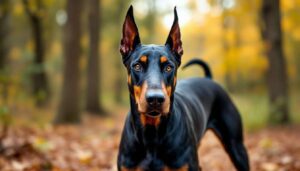

Every dog owner dreams of sharing as many years as possible with their beloved companion, yet the factors determining how long a dog will live remain surprisingly complex. Whilst many assume that size alone dictates longevity, the reality encompasses a far broader spectrum of influences. From the genetic blueprint inherited at birth to the daily choices made by owners, numerous variables intertwine to shape a dog’s lifespan. Understanding these factors empowers owners to make informed decisions that could add precious years to their pet’s life, transforming not just quantity but quality of time together.
Understanding the factors that influence canine lifespan
The complexity of canine ageing
Canine lifespan is determined by a multifaceted interplay of biological, environmental, and behavioural factors. Whilst the old adage of seven dog years equalling one human year has been thoroughly debunked, many owners still lack a comprehensive understanding of what truly affects their dog’s longevity. Research demonstrates that dogs age at vastly different rates depending on numerous variables, making generalised predictions unreliable.
Key determinants of longevity
Several primary factors influence how long a dog will live:
- Breed characteristics: genetic predispositions inherited through selective breeding
- Body size and weight: the inverse relationship between size and lifespan
- Genetic diversity: the advantage of mixed-breed dogs over purebreds
- Healthcare access: preventive care and early disease detection
- Nutrition quality: appropriate diet tailored to individual needs
- Physical activity: regular exercise and mental stimulation
- Environmental conditions: living situation and exposure to hazards
These factors rarely operate in isolation. Instead, they combine to create a unique longevity profile for each individual dog. A small breed with excellent genetics living in a nurturing environment with attentive healthcare will likely far outlive a large breed with inherited health conditions and inadequate care.
The biological mechanisms underlying ageing also vary considerably between breeds, with cellular deterioration occurring at different rates depending on size and genetic factors. This complexity extends beyond simple calculations to encompass the entire lifecycle of the animal.
The role of genetics in breed longevity
Inherited health conditions and breed-specific vulnerabilities
Genetics represent perhaps the most immutable factor in determining a dog’s lifespan. Through centuries of selective breeding, certain breeds have become predisposed to specific health conditions that significantly impact longevity. Purebred dogs, whilst often prized for their predictable characteristics, frequently carry genetic vulnerabilities that mixed-breed dogs avoid through greater genetic diversity.
Common breed-specific conditions include:
- Cardiac issues: particularly prevalent in Cavalier King Charles Spaniels and Dobermanns
- Hip dysplasia: affecting German Shepherds, Labrador Retrievers, and other large breeds
- Respiratory problems: brachycephalic breeds such as Bulldogs and Pugs
- Cancer susceptibility: Golden Retrievers and Boxers show elevated rates
- Neurological disorders: certain toy breeds prone to syringomyelia
The hybrid vigour advantage
Mixed-breed dogs often benefit from hybrid vigour, a phenomenon where genetic diversity reduces the likelihood of inheriting two copies of deleterious recessive genes. Studies consistently show that crossbreed dogs tend to live approximately 1.2 years longer than purebreds of comparable size. This advantage stems from a broader gene pool that dilutes breed-specific vulnerabilities whilst maintaining beneficial traits.
| Dog type | Average lifespan advantage | Primary benefit |
|---|---|---|
| Mixed-breed | +1.2 years | Genetic diversity |
| Purebred with screening | Baseline | Predictable traits |
| Purebred without screening | -1.5 years | Increased disease risk |
However, responsible breeding practices, including genetic health screening and careful selection of breeding pairs, can mitigate many hereditary risks in purebred populations. Owners considering purebred dogs should research breed-specific health concerns and seek breeders who prioritise health testing.
Whilst genetics establish the foundation, they interact continuously with environmental and lifestyle factors to determine actual lifespan outcomes.
Impact of environment and lifestyle on lifespan
Nutrition as a cornerstone of longevity
The quality and appropriateness of a dog’s diet exert profound influence on both lifespan and healthspan. Obesity, affecting approximately 56% of dogs, represents one of the most significant preventable factors reducing longevity. Excess weight increases risks of diabetes, joint problems, cardiovascular disease, and certain cancers, potentially reducing lifespan by up to two years.
Optimal nutrition involves:
- Appropriate caloric intake: matched to activity level and metabolic needs
- High-quality protein sources: supporting muscle maintenance and immune function
- Balanced macronutrients: proper ratios of proteins, fats, and carbohydrates
- Essential micronutrients: vitamins and minerals supporting cellular health
- Age-appropriate formulations: puppy, adult, and senior diets addressing changing needs
Exercise and mental stimulation
Regular physical activity maintains cardiovascular health, joint mobility, and healthy weight, all contributing to extended lifespan. However, exercise requirements vary dramatically between breeds. A Border Collie requires substantially more activity than a Basset Hound, and inappropriate exercise levels can prove detrimental in either direction.
Mental stimulation proves equally important. Cognitive decline affects ageing dogs, but enrichment activities such as puzzle toys, training exercises, and novel experiences help maintain neurological health. Dogs with regular mental challenges often retain cognitive function longer, improving their quality of life in senior years.
Preventive healthcare and early intervention
Access to veterinary care dramatically influences longevity. Regular check-ups enable early detection of conditions such as dental disease, kidney problems, and tumours when treatment proves most effective. Vaccinations, parasite prevention, and dental care all contribute to preventing diseases that could otherwise shorten lifespan.
Dogs receiving consistent preventive care typically live 15-20% longer than those with sporadic veterinary attention. This advantage stems not from treating illness but from preventing it altogether or catching it in early, more treatable stages.
These lifestyle factors interact with the inherent differences between breeds, particularly the striking contrast between small and large dogs.
Differences between breeds: small vs large dogs
The size-longevity paradox
The inverse relationship between body size and lifespan in dogs represents a biological anomaly. In most mammalian species, larger animals live longer—elephants outlive mice, whales outlive rabbits. Yet in dogs, this pattern reverses dramatically, with toy breeds often living twice as long as giant breeds despite belonging to the same species.
| Size category | Weight range | Average lifespan | Example breeds |
|---|---|---|---|
| Toy | Under 5.5 kg | 14-16 years | Chihuahua, Yorkshire Terrier |
| Small | 5.5-11 kg | 12-15 years | Beagle, Cocker Spaniel |
| Medium | 11-23 kg | 10-13 years | Border Collie, Bulldog |
| Large | 23-45 kg | 8-11 years | Labrador, German Shepherd |
| Giant | Over 45 kg | 6-9 years | Great Dane, Mastiff |
Biological mechanisms behind accelerated ageing
Large dogs age at a significantly faster rate than small dogs due to several interrelated biological factors. Research indicates that large breeds experience accelerated cellular division during growth, leading to increased accumulation of cellular damage over time. Their cells essentially “burn out” faster, with higher metabolic rates contributing to oxidative stress and DNA damage.
Additionally, large dogs show elevated cancer rates, with giant breeds particularly susceptible. This vulnerability likely stems from the rapid cell division required to achieve their size, creating more opportunities for mutations to occur. Growth hormone levels also remain higher in large breeds, potentially promoting both growth and tumour development.
Breed-specific lifespan variations within size categories
Even within size categories, substantial variation exists. Among small breeds, Jack Russell Terriers often reach 16 years whilst French Bulldogs average only 10-12 years due to brachycephalic-related health issues. Similarly, among large breeds, relatively healthy Greyhounds may live 12-14 years whilst Bernese Mountain Dogs typically survive only 7-8 years.
Understanding these patterns helps owners set realistic expectations whilst identifying opportunities to maximise their individual dog’s potential longevity through targeted interventions.
How to optimise your dog’s health and longevity
Establishing a comprehensive health routine
Proactive health management represents the most controllable factor in extending a dog’s lifespan. Owners who implement consistent health routines typically see their dogs live at the upper end of breed-specific ranges. This approach combines preventive care, early intervention, and lifestyle optimisation.
Essential components include:
- Annual veterinary examinations: biannual for senior dogs over seven years
- Dental care: regular brushing and professional cleanings preventing periodontal disease
- Weight monitoring: maintaining ideal body condition through portion control
- Vaccination schedules: protecting against preventable infectious diseases
- Parasite prevention: year-round protection from fleas, ticks, and heartworm
Tailoring care to breed-specific needs
Different breeds require customised approaches to health optimisation. Brachycephalic breeds need careful monitoring during exercise and heat exposure. Large breeds benefit from joint supplements and controlled growth rates during puppyhood. Breeds prone to bloat require feeding protocols that reduce risk.
Researching breed-specific vulnerabilities enables owners to implement targeted preventive measures before problems arise. For instance, breeds susceptible to hip dysplasia benefit from maintaining lean body weight and appropriate exercise that builds supporting musculature without stressing joints.
The importance of mental wellbeing
Physical health alone does not determine longevity. Dogs experiencing chronic stress, inadequate socialisation, or insufficient mental stimulation show elevated cortisol levels and inflammatory markers that accelerate ageing. Providing a stable, enriching environment with positive social interactions supports both physical and psychological health.
Training using positive reinforcement, regular social opportunities with other dogs, and varied experiences all contribute to mental wellbeing that translates into physiological benefits. Dogs with strong human-animal bonds often show improved immune function and stress resilience.
As dogs age, recognising the subtle signs of advancing years becomes crucial for maintaining quality of life.
Recognising the signs of ageing in your dog
Physical indicators of canine ageing
Dogs typically enter their senior years at different ages depending on size—giant breeds by age five or six, whilst toy breeds may not show significant ageing until ten or eleven. Early recognition of age-related changes enables timely interventions that can slow decline and maintain comfort.
Common physical signs include:
- Greying muzzle and face: often the first visible indicator
- Reduced mobility: stiffness after rest, difficulty with stairs or jumping
- Weight changes: loss of muscle mass or increased fat deposition
- Sensory decline: diminished hearing or vision, cloudiness in eyes
- Dental deterioration: increased tartar, tooth loss, or gum disease
- Skin and coat changes: thinning coat, dry skin, or benign lumps
Behavioural and cognitive changes
Cognitive decline affects many senior dogs, manifesting as canine cognitive dysfunction similar to dementia in humans. Symptoms include disorientation, altered sleep-wake cycles, decreased interaction with family members, and house-soiling despite previous training. Whilst some cognitive decline proves inevitable, enrichment activities, specialised diets, and in some cases medication can slow progression.
Changes in activity levels, increased anxiety, or altered responses to familiar situations all warrant veterinary evaluation. Many conditions causing behavioural changes—such as arthritis pain, thyroid dysfunction, or dental disease—respond well to treatment when identified early.
Adapting care for senior dogs
As dogs age, their needs evolve. Adjusting care appropriately maintains quality of life and can extend both lifespan and healthspan. Senior dogs benefit from softer bedding to cushion arthritic joints, ramps to reduce jumping strain, and modified exercise routines that maintain fitness without overexertion.
Dietary adjustments often prove necessary, with senior formulations offering appropriate caloric density for reduced activity levels whilst providing joint-supporting nutrients. More frequent veterinary monitoring enables early detection of age-related conditions such as kidney disease, diabetes, or cancer when treatment options remain most effective.
Understanding these signs empowers owners to provide compassionate, appropriate care throughout their dog’s golden years, ensuring that extended lifespan translates into genuinely enriched life.
The factors influencing canine lifespan extend far beyond the simple metric of size, encompassing genetics, lifestyle choices, environmental conditions, and the quality of care provided throughout life. Whilst some elements such as breed-specific genetic vulnerabilities remain beyond owner control, numerous modifiable factors offer substantial opportunities to extend both the length and quality of a dog’s life. Through informed nutrition, appropriate exercise, preventive healthcare, and attentive monitoring of age-related changes, owners can maximise their companion’s potential whilst ensuring those years remain filled with vitality and comfort. The goal extends beyond merely adding years to life, but rather adding life to years, creating a partnership that thrives across the entire canine lifespan.