



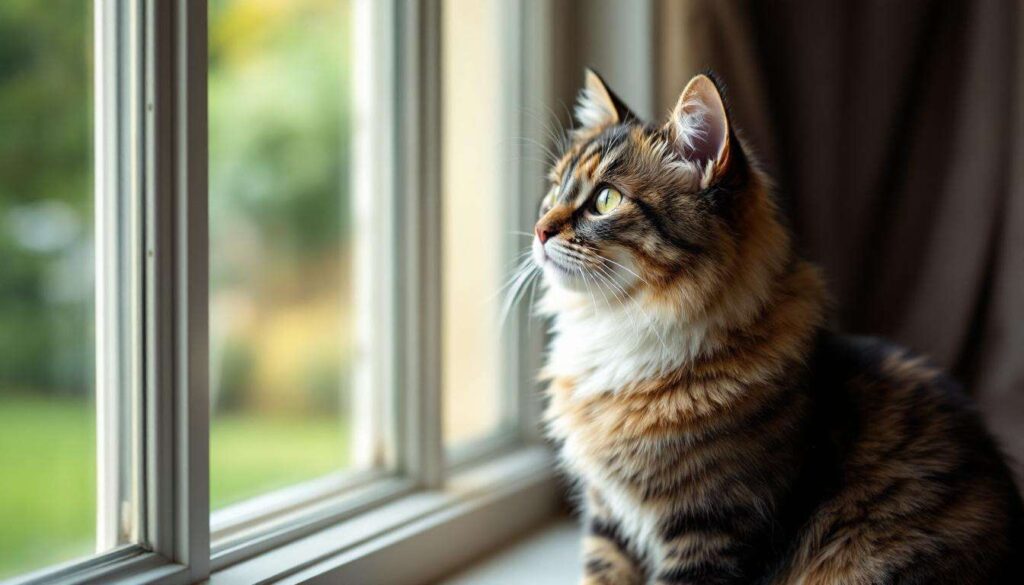
The European cat, also known as the European Shorthair, represents one of the most common feline breeds across the continent. Understanding the lifespan of these beloved companions remains a priority for owners seeking to provide optimal care throughout their pets’ lives. Various elements influence how long these animals thrive, from genetic predisposition to environmental conditions and healthcare practices. Examining these factors offers valuable insights into maximising the wellbeing and longevity of European cats.
Average life expectancy of the European cat
Typical lifespan ranges
The European cat typically lives between 12 and 15 years, though many individuals surpass this range with appropriate care. Studies conducted across veterinary practices throughout Europe indicate that well-maintained domestic cats frequently reach ages of 16 to 18 years. Some exceptional cases document European cats living beyond 20 years, demonstrating the potential for extended lifespans when conditions prove favourable.
| Age Category | Years | Percentage of Population |
|---|---|---|
| Young adult | 1-5 years | 28% |
| Middle-aged | 6-10 years | 35% |
| Senior | 11-15 years | 25% |
| Geriatric | 16+ years | 12% |
Comparison with other breeds
European cats demonstrate comparable longevity to other domestic breeds, though certain pedigree varieties face breed-specific health challenges that may reduce lifespan. The robust genetic diversity of European cats contributes to their resilience, as they evolved naturally rather than through selective breeding programmes. This genetic advantage positions them favourably regarding overall health and longevity expectations.
Understanding these baseline expectations helps owners recognise what influences might extend or diminish their cat’s lifespan, leading naturally to consideration of the various factors at play.
Factors affecting longevity
Genetic influences
Hereditary factors play a significant role in determining lifespan potential. European cats benefit from diverse genetic backgrounds, which generally reduces the prevalence of inherited conditions. However, individual cats may still carry predispositions to certain ailments that impact longevity. Knowledge of a cat’s lineage, when available, provides valuable information for anticipating potential health concerns.
Environmental conditions
The living environment profoundly affects a cat’s life expectancy. Key environmental factors include:
- Access to safe, sheltered spaces protecting from extreme weather
- Exposure to traffic and urban hazards
- Presence of predators or aggressive animals
- Quality of air and water in the surrounding area
- Stress levels within the household
Healthcare access
Regular veterinary attention substantially extends feline lifespans. Cats receiving routine check-ups, vaccinations, and preventative treatments demonstrate markedly better health outcomes than those lacking consistent medical care. Early detection of developing conditions allows for timely intervention, often preventing minor issues from becoming life-threatening complications.
These foundational factors intersect with daily care practices, particularly regarding nutrition and routine maintenance.
Impact of diet and care
Nutritional requirements
Proper nutrition forms the cornerstone of feline health and longevity. European cats require balanced diets containing appropriate protein levels, essential fatty acids, vitamins, and minerals. Quality commercial foods formulated for specific life stages address changing nutritional needs as cats age. Overfeeding leads to obesity, which correlates with numerous health complications including diabetes, joint problems, and cardiovascular disease.
Grooming and hygiene
Regular grooming maintains coat health and allows owners to detect abnormalities early. European Shorthairs require minimal grooming compared to long-haired breeds, though weekly brushing removes loose fur and stimulates circulation. Dental care proves particularly important, as periodontal disease affects overall health and can reduce lifespan if left untreated.
Exercise and mental stimulation
Physical activity and cognitive engagement contribute significantly to wellbeing. Providing opportunities for:
- Climbing and exploring vertical spaces
- Interactive play sessions with appropriate toys
- Puzzle feeders encouraging natural hunting behaviours
- Safe outdoor access or enriched indoor environments
These care practices help prevent many conditions, though certain diseases remain prevalent despite excellent husbandry.
Common diseases in the European cat
Age-related conditions
Chronic kidney disease represents one of the most frequent ailments affecting older European cats. This progressive condition requires management through dietary modification and medical intervention. Hyperthyroidism also commonly develops in senior cats, causing weight loss and behavioural changes despite increased appetite. Both conditions benefit from early diagnosis and ongoing treatment.
Infectious diseases
Vaccination programmes protect against serious infectious diseases including feline leukaemia virus, feline immunodeficiency virus, and upper respiratory infections. Cats with outdoor access face elevated exposure risks to these pathogens. Maintaining current vaccination status proves essential for disease prevention.
Dental problems
Periodontal disease affects approximately 70% of cats over three years of age. Bacteria from infected gums enter the bloodstream, potentially damaging vital organs. Regular dental examinations and professional cleanings when necessary preserve oral health and prevent systemic complications.
The lifestyle choices owners make regarding their cats’ living arrangements significantly influence disease exposure and overall longevity.
Differences between indoor and outdoor cats
Indoor cat advantages
Indoor cats typically live significantly longer than their outdoor counterparts, with average lifespans of 15 to 18 years. Protected environments eliminate numerous risks:
- Traffic accidents and vehicular injuries
- Attacks from predators or aggressive animals
- Exposure to infectious diseases and parasites
- Poisoning from toxic substances
- Becoming lost or stolen
Outdoor cat challenges
Cats with outdoor access face substantially elevated mortality risks, with average lifespans often reduced to 7 to 10 years. Trauma represents the leading cause of premature death, followed by infectious diseases and parasitic infestations. However, outdoor access provides natural exercise and mental stimulation that some cats require for psychological wellbeing.
Compromise solutions
Supervised outdoor time or purpose-built enclosures offer middle-ground approaches. Catios, secure garden spaces, and harness training allow cats to experience outdoor environments whilst minimising dangers. These solutions provide enrichment benefits without the substantial risks of unrestricted outdoor access.
Armed with this knowledge, owners can implement specific strategies to maximise their companions’ lifespans.
Tips for extending your European cat’s life
Preventative healthcare
Establishing a relationship with a trusted veterinary practice ensures continuity of care. Annual health examinations for adult cats should increase to biannual visits for those over seven years. These appointments allow professionals to monitor changes and detect developing conditions before symptoms become apparent.
Weight management
Maintaining optimal body condition prevents numerous obesity-related complications. Owners should:
- Measure food portions according to manufacturer guidelines
- Limit treats to no more than 10% of daily caloric intake
- Encourage regular exercise through interactive play
- Monitor weight trends and adjust feeding accordingly
Stress reduction
Chronic stress compromises immune function and overall health. Creating calm, predictable environments with adequate resources reduces anxiety. Multiple cats require sufficient litter boxes, feeding stations, and resting areas to prevent territorial conflicts. Environmental enrichment through toys, scratching posts, and varied spaces promotes contentment and wellbeing.
Hydration monitoring
Adequate water intake supports kidney function and overall health. Providing fresh water in multiple locations encourages drinking. Some cats prefer running water, making fountain-style bowls beneficial investments for promoting proper hydration.
The European cat’s lifespan reflects a combination of genetic heritage, environmental factors, and care quality. Whilst the average expectancy ranges from 12 to 15 years, attentive owners frequently see their companions thrive well into their late teens. Indoor living, balanced nutrition, regular veterinary care, and stress management form the pillars of longevity. Understanding breed-specific health considerations allows for proactive management of common conditions. By implementing preventative strategies and maintaining vigilant observation, owners significantly enhance both the length and quality of their European cats’ lives, ensuring many years of companionship and mutual enjoyment.