



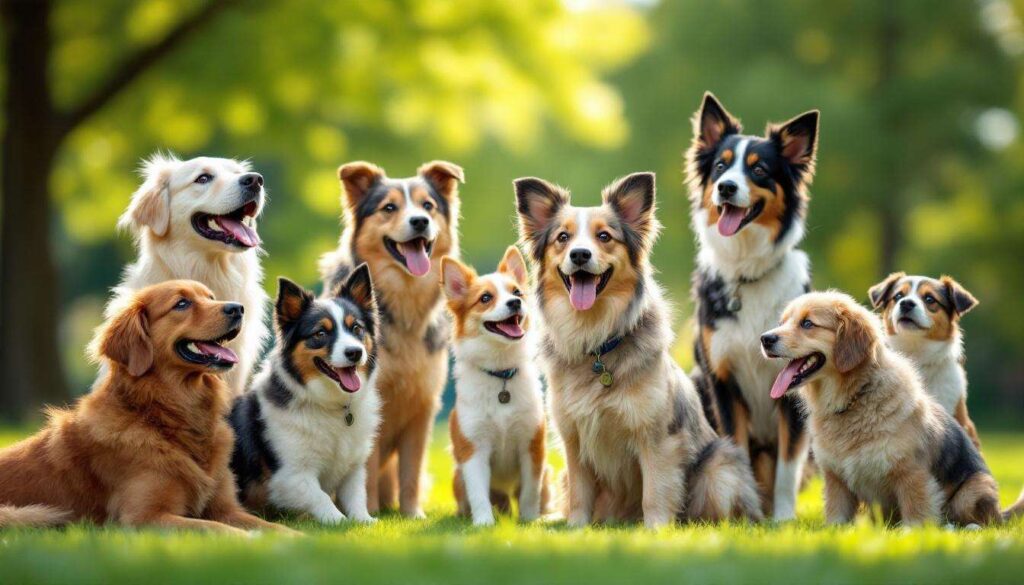
The question of whether shelter dogs present more challenges than purebreds continues to spark debate amongst prospective pet owners. Common assumptions suggest that dogs from rescue centres arrive with baggage from their past, making them unpredictable and difficult to train. However, this narrative oversimplifies a complex reality. Both shelter dogs and purebreds can exhibit behavioural issues or become exemplary companions, depending on numerous factors beyond their origin. Understanding the truth behind these perceptions requires examining the stereotypes, comparing the two groups fairly, and acknowledging the individual circumstances that shape each dog’s temperament.
Shelter dog stereotypes: what are they ?
Common misconceptions about rescued dogs
Shelter dogs frequently face a barrage of negative assumptions that paint them as damaged goods. Many people believe these animals inherently suffer from behavioural problems such as aggression, anxiety, or hyperactivity. The perception persists that a dog’s presence in a shelter indicates something fundamentally wrong with its temperament or trainability. These stereotypes create significant barriers to adoption, discouraging potential owners who fear taking on an unmanageable pet.
Research from dog training professionals challenges these blanket assumptions. Characteristics often attributed to shelter dogs—including leash reactivity, separation anxiety, or fearfulness—are not universal traits. Many rescued dogs demonstrate exceptional loyalty and obedience, often surpassing dogs purchased from breeders. The belief that shelter dogs are inherently problematic stems more from misunderstanding than from evidence-based observation.
Where do these stereotypes originate ?
These misconceptions largely arise from a lack of understanding about why dogs enter shelters. People assume that behavioural issues caused the surrender, when in reality, circumstances such as:
- Owner relocation or housing restrictions
- Financial difficulties preventing proper care
- Family changes including divorce or death
- Lifestyle incompatibility rather than dog misbehaviour
account for the majority of shelter admissions. The dog’s past experiences may include unfortunate circumstances such as abandonment or neglect, but these do not automatically translate into permanent behavioural deficits. With proper care, patience, and training, most shelter dogs adapt remarkably well to new homes.
Understanding the origins of these stereotypes helps clarify whether comparing shelter dogs to purebreds provides a meaningful framework for decision-making.
Shelter dogs vs purebreds: a fair comparison ?
The fundamental flaw in direct comparison
Comparing shelter dogs as a category to purebreds presents an inherent methodological problem. Shelter populations include dogs of all breeds, mixed breeds, ages, and backgrounds, whilst purebreds represent a specific genetic lineage. This comparison essentially pits a diverse, heterogeneous group against a homogeneous one, making meaningful generalisations nearly impossible.
Veteran dog trainers consistently note that problematic behaviours can emerge in both shelter dogs and purebreds. Factors influencing behaviour include:
| Factor | Impact on shelter dogs | Impact on purebreds |
|---|---|---|
| Individual temperament | Varies widely | Varies within breed standards |
| Early socialisation | Often unknown or inadequate | Depends on breeder practices |
| Previous trauma | Possible but not universal | Can occur with poor breeding |
| Training history | Frequently absent or inconsistent | Variable depending on source |
The role of responsible breeding
Not all purebred dogs come from ethical sources. Puppy mills and irresponsible breeders produce dogs with genetic health problems, poor socialisation, and temperament issues that rival or exceed those found in shelter populations. Conversely, responsible breeders prioritise health testing, appropriate socialisation, and temperament evaluation, producing well-adjusted puppies.
The existence of ethical breeders demonstrates that the source matters more than the category. A purebred from a questionable breeder may present more challenges than a carefully selected shelter dog. The comparison should focus on individual dogs and their specific circumstances rather than broad categorical assumptions.
Given these complexities, examining how a shelter dog’s past influences adoption decisions provides greater insight than simple comparisons.
The past of shelter dogs: a hindrance to adoption ?
Understanding the unknown history
One of the most significant concerns for potential adopters involves the unknown history of shelter dogs. Without complete information about a dog’s early experiences, training, or reasons for surrender, adopters worry about hidden problems that might emerge later. This uncertainty creates anxiety, particularly for first-time dog owners who lack experience managing unexpected behavioural issues.
However, this concern applies unevenly. Many shelters conduct thorough behavioural assessments before making dogs available for adoption. These evaluations test reactions to various stimuli, interactions with people and other animals, and general temperament. Such assessments often provide more reliable information than a breeder’s assurances about a puppy’s future personality.
The resilience of dogs
Dogs demonstrate remarkable adaptability and resilience when placed in stable, loving environments. Whilst past trauma can influence behaviour, it rarely creates insurmountable obstacles. With appropriate support, including:
- Consistent training using positive reinforcement
- Gradual exposure to new experiences
- Patience during the adjustment period
- Professional guidance when needed
most shelter dogs successfully transition to their new homes. The past becomes less relevant than the present environment and the commitment of the adopter to provide proper care and training.
The overcrowding crisis context
Approximately 3 million dogs enter shelters annually, with 400,000 facing euthanasia due to space constraints. This crisis results from various factors including irresponsible breeding, inadequate owner education, and insufficient resources for shelters. Two types of facilities emerge: those accepting animals continuously despite overcrowding, risking animal welfare, and those making difficult space decisions through euthanasia.
This context transforms adoption from merely a personal choice into a socially responsible action. Choosing a shelter dog directly addresses overcrowding whilst providing a home to an animal in need. The past that brought a dog to the shelter becomes less important than the future an adopter can provide.
Beyond concerns about history, questions about predictability dominate discussions of shelter dog adoption.
The unpredictable behaviour of shelter dogs: myth or reality ?
Defining unpredictability
The notion that shelter dogs exhibit unpredictable behaviour requires careful examination. All dogs, regardless of origin, can surprise their owners with unexpected reactions or behaviours. Puppies from breeders develop personalities that may differ significantly from predictions based on breed characteristics. The concept of predictability itself may be somewhat illusory when applied to individual animals.
Shelter dogs may initially display behaviours related to stress and adjustment rather than permanent personality traits. The shelter environment itself—with its noise, confinement, and lack of individual attention—can temporarily alter behaviour. Dogs may appear withdrawn, overly excitable, or anxious in ways that do not reflect their typical temperament in a home setting.
Breed predictability examined
Purebred advocates often cite breed predictability as an advantage, suggesting that knowing a dog’s breed allows accurate forecasting of temperament, energy levels, and behaviour. However, individual variation within breeds can be substantial. Not all border collies are hyperactive, not all retrievers are friendly, and not all terriers are feisty. Breed provides general tendencies rather than guarantees.
Mixed-breed shelter dogs may actually offer hybrid vigour and temperamental balance unavailable in purebreds. Without the genetic concentration that sometimes amplifies undesirable traits in purebreds, mixed breeds can exhibit moderate, balanced characteristics that make them excellent companions.
| Predictability factor | Shelter dogs | Purebreds |
|---|---|---|
| Adult size | Estimable for adults, variable for puppies | Generally predictable |
| Energy level | Observable in shelter assessments | Breed tendencies with individual variation |
| Temperament | Assessable through evaluation | Influenced by breeding and socialisation |
| Health issues | Variable, often screened | Breed-specific predispositions |
The evidence suggests that unpredictability affects both groups, making it an unreliable criterion for choosing between shelter dogs and purebreds. This reality leads naturally to considering what adopters actually experience.
The challenges and rewards of adopting a shelter dog
Realistic challenges to anticipate
Adopting a shelter dog does present certain challenges that potential owners should acknowledge. The adjustment period may involve behaviours such as:
- House training accidents whilst learning new routines
- Separation anxiety as the dog bonds with new owners
- Uncertainty around other pets or children
- Reactivity to unfamiliar situations or stimuli
These challenges are not insurmountable but require patience, consistency, and commitment. First-time dog owners may benefit from professional training support or guidance from experienced adopters. The initial weeks and months demand particular attention as the dog settles into new surroundings and learns household expectations.
The profound rewards
The rewards of shelter dog adoption often exceed expectations. Many adopters report that their rescued dogs display exceptional gratitude and loyalty, forming deep bonds with their new families. The knowledge that adoption saved a life and created space for another animal in need provides significant emotional satisfaction.
Shelter dogs frequently demonstrate remarkable adaptability and resilience, thriving in their new environments. The transformation from a stressed shelter resident to a confident family member offers profound joy. Additionally, adoption costs substantially less than purchasing from breeders, allowing resources to be directed toward quality care, training, and veterinary services.
Understanding both challenges and rewards prepares adopters for the practical steps required to ensure success.
Successfully integrating a shelter dog into your home
Preparation before adoption
Successful integration begins before the dog arrives home. Prospective adopters should prepare their environment by securing hazards, establishing designated spaces, and gathering necessary supplies. Researching basic dog behaviour and training principles provides a foundation for addressing common issues that may arise during the adjustment period.
Selecting the right dog involves honest assessment of lifestyle, experience level, and household dynamics. Shelters can match adopters with dogs whose temperament and needs align with their circumstances. Choosing an adult dog whose personality is already established may offer advantages over puppies for some families.
The critical adjustment period
The first weeks at home represent a critical adjustment period requiring particular attention. Establishing routines immediately helps dogs understand expectations and reduces anxiety. Key elements include:
- Consistent feeding and walking schedules
- Clear boundaries and house rules
- Positive reinforcement for desired behaviours
- Gradual introduction to new experiences
- Patience with setbacks and mistakes
Professional training support, whether through classes or private sessions, accelerates the bonding process and addresses specific challenges. Many shelters offer post-adoption support including training resources and behavioural consultation.
Long-term success factors
Long-term success with shelter dogs depends on ongoing commitment to their physical and emotional wellbeing. Regular veterinary care, appropriate exercise, mental stimulation, and continued training maintain health and prevent behavioural problems. Building a strong relationship through positive interactions creates a foundation for a fulfilling partnership that can last many years.
The narrative that shelter dogs are inherently more difficult than purebreds lacks empirical support. Individual variation, proper matching, and owner commitment determine outcomes far more than a dog’s origin.
The choice between adopting a shelter dog and purchasing a purebred should reflect informed consideration of individual circumstances rather than stereotypes. Evidence demonstrates that shelter dogs can become exceptional companions when matched appropriately with committed owners. Whilst challenges may arise during adjustment, these are neither universal nor insurmountable. The overcrowding crisis affecting shelters makes adoption a socially responsible choice that addresses a significant animal welfare issue. Purebreds from ethical breeders also have their place, and both options can coexist within a framework of responsible pet ownership. Breaking down misconceptions about shelter dogs requires education, empathy, and recognition that each dog possesses a unique story deserving individual assessment rather than categorical judgment.