



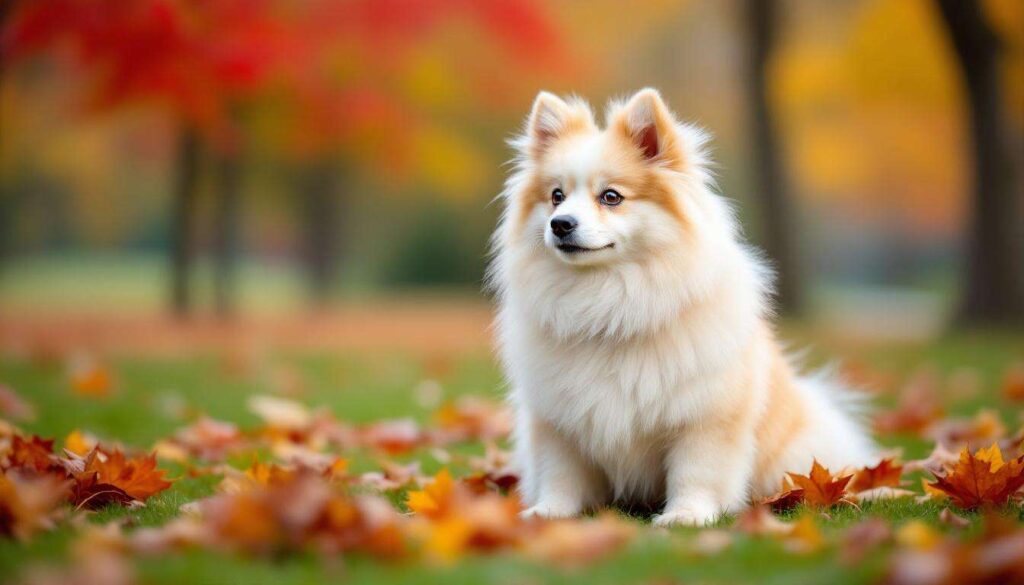
The German Spitz, with its distinctive fox-like face and luxurious coat, has captivated dog enthusiasts for centuries. This intelligent and spirited breed requires a thoughtful approach to training that respects its independent nature whilst channelling its considerable energy. Whether you’ve recently welcomed a German Spitz puppy into your home or you’re looking to refine your adult dog’s behaviour, understanding the fundamentals of effective training will transform your relationship with this remarkable companion. The following guidance draws upon established canine behavioural principles and breed-specific characteristics to help you navigate the rewarding journey of training your German Spitz.
Understanding the specific needs of the German Spitz
Recognising the breed’s temperament and intelligence
The German Spitz possesses a highly alert and intelligent mind that thrives on mental stimulation. This breed was historically developed as a watchdog, which explains its natural tendency towards vigilance and vocal communication. Understanding this innate characteristic is essential before embarking on any training programme. German Spitz dogs form strong bonds with their families but can display a degree of independence that requires patience and consistency from their handlers.
These dogs exhibit remarkable problem-solving abilities, which can work both for and against training efforts. A bored German Spitz will often devise its own entertainment, which may not align with household expectations. Their intelligence means they learn quickly, but it also means they can become frustrated with repetitive or overly simplistic exercises.
Addressing the breed’s physical requirements
Despite their relatively compact size, German Spitz dogs require adequate physical exercise to maintain both physical health and mental equilibrium. A well-exercised dog is considerably more receptive to training sessions. The breed comes in various sizes, from the diminutive Klein to the larger Mittel, but all varieties benefit from:
- Daily walks lasting at least 30 to 45 minutes
- Interactive play sessions that engage their natural instincts
- Opportunities for safe, supervised exploration
- Activities that combine physical movement with mental challenges
The German Spitz’s abundant double coat also requires regular grooming, which itself can become part of the training routine when approached correctly. Teaching your dog to tolerate and even enjoy grooming sessions establishes trust and reinforces your role as a calm, authoritative figure.
With these fundamental needs understood, the next step involves selecting training methods that complement the breed’s natural disposition.
Choosing the best positive reinforcement techniques
The science behind reward-based training
Positive reinforcement has emerged as the gold standard in modern dog training, and it proves particularly effective with the sensitive German Spitz. This approach focuses on rewarding desired behaviours rather than punishing unwanted ones, creating a learning environment based on trust rather than fear. When your German Spitz performs a desired action, immediate rewards strengthen the neural pathways associated with that behaviour.
The most effective rewards vary between individual dogs, but typically include:
- High-value food treats (small pieces of chicken, cheese, or commercial training treats)
- Verbal praise delivered in an enthusiastic, consistent tone
- Physical affection such as gentle stroking or brief play sessions
- Access to favourite toys or activities
Implementing marker training
Marker training, often utilising a clicker or verbal marker, provides precise communication during training sessions. The marker sound occurs at the exact moment your German Spitz performs the desired behaviour, followed immediately by a reward. This technique offers exceptional clarity for intelligent breeds that benefit from understanding precisely which action earned the reward.
| Training Method | Advantages for German Spitz | Potential Challenges |
|---|---|---|
| Clicker Training | Precise timing, consistent sound, builds confidence | Requires coordination, may startle sensitive dogs initially |
| Verbal Markers | Always available, natural communication | Less consistent tone, may blend with other speech |
| Food Lures | Highly motivating, easy for beginners | Can create food dependency if not faded properly |
Establishing these foundational techniques creates the framework for implementing a structured training schedule.
Developing a suitable training routine
Structuring effective training sessions
The German Spitz responds best to short, frequent training sessions rather than prolonged, intensive periods. Their attention span, whilst considerable for their size, benefits from sessions lasting between five and fifteen minutes. Multiple sessions throughout the day yield superior results compared to a single lengthy session, as this approach maintains enthusiasm and prevents mental fatigue.
A typical daily training schedule might include:
- Morning session focusing on basic obedience (sit, stay, come)
- Midday session incorporating impulse control exercises
- Afternoon session dedicated to new skills or tricks
- Evening session reviewing previously learned behaviours
Creating consistency across environments
German Spitz dogs can sometimes struggle with generalisation, meaning they may perform perfectly at home but appear to forget their training in new environments. To address this, gradually introduce training exercises in various locations with increasing levels of distraction. Begin in your quiet living room, progress to the garden, then to calm outdoor spaces, and eventually to more stimulating environments such as parks or high streets.
Consistency in commands and expectations across all family members is absolutely essential. If one person allows the dog on furniture whilst another prohibits it, confusion and frustration result. Establish clear household rules and ensure everyone applies them uniformly.
Once your routine is established, attention must turn to the critical aspect of social development.
Working on socialisation from a young age
The critical socialisation window
The period between approximately three and fourteen weeks of age represents a crucial developmental phase for German Spitz puppies. During this window, positive experiences with various people, animals, environments, and stimuli shape their future temperament and behaviour. A well-socialised German Spitz develops into a confident, adaptable adult, whilst inadequate socialisation can result in fearfulness, anxiety, or aggression.
Effective socialisation involves controlled exposure to:
- People of different ages, appearances, and demeanours
- Other dogs with appropriate temperaments and vaccination status
- Various animals including cats, livestock, and small pets
- Different surfaces, sounds, and environmental conditions
- Handling by strangers, including veterinary examinations
Addressing the breed’s natural wariness
German Spitz dogs often display a degree of natural suspicion towards strangers, a trait linked to their watchdog heritage. Whilst this characteristic shouldn’t be eliminated entirely, it requires careful management to prevent it developing into problematic behaviour. Introduce new people gradually, allowing your dog to approach at its own pace rather than forcing interaction.
Puppy socialisation classes offer invaluable opportunities for controlled interaction with other dogs under professional supervision. These classes also provide guidance on common training challenges and allow your German Spitz to learn appropriate canine communication skills.
Proper socialisation lays the groundwork for managing the breed’s distinctive characteristics in daily life.
Managing the energy and obedience of the German Spitz
Channelling natural alertness productively
The German Spitz’s inherent vigilance manifests as a tendency to bark at perceived threats or unusual occurrences. Whilst this trait made the breed valuable as a watchdog, it can become problematic in modern domestic settings. Rather than attempting to suppress this instinct entirely, effective training redirects it into acceptable channels.
Teaching a “quiet” or “enough” command allows you to acknowledge your dog’s alert whilst maintaining household peace. The training process involves:
- Allowing one or two alert barks when something triggers your dog
- Calmly issuing the quiet command
- Rewarding immediately when barking ceases
- Gradually increasing the duration of silence required before rewarding
Establishing reliable recall
A dependable recall command represents one of the most crucial safety skills for any dog. The German Spitz’s independent streak can make this challenging, but consistent practice yields results. Never punish your dog for coming when called, even if it took longer than desired, as this creates negative associations with the recall command itself.
Begin recall training in a secure, enclosed area with minimal distractions. Use a long training lead initially to prevent your dog from learning that ignoring the command is an option. Gradually increase distance and distractions as reliability improves.
As your German Spitz matures, training approaches must evolve to match changing needs.
Adapting training to the different life stages
Puppy training priorities
German Spitz puppies require a foundation built on basic manners and positive experiences. Housetraining, crate training, and bite inhibition take precedence during the early months. Puppies possess limited attention spans but tremendous enthusiasm, making this an ideal time to establish good habits before undesirable patterns become entrenched.
Focus on teaching:
- Name recognition and attention
- Basic commands (sit, down, stay)
- Loose-lead walking
- Appropriate play behaviour
- Settling and calmness
Adolescent challenges and solutions
The adolescent period, typically occurring between six and eighteen months, often brings temporary regression in previously mastered behaviours. German Spitz adolescents may test boundaries, display selective hearing, and exhibit increased independence. This phase requires patience and consistent reinforcement of established rules without resorting to harsh corrections.
Maintaining training in adult and senior dogs
Adult German Spitz dogs benefit from continued mental stimulation through ongoing training. Teaching new tricks, practicing obedience skills, and engaging in canine sports prevent boredom and maintain cognitive function. Senior dogs may develop physical limitations requiring training adaptations, such as using ramps instead of expecting jumping, but their capacity to learn remains intact throughout their lives.
Training a German Spitz demands commitment, consistency, and an appreciation for the breed’s unique characteristics. By implementing positive reinforcement techniques within a structured routine, addressing socialisation comprehensively, and adapting your approach to your dog’s developmental stage, you establish a foundation for a well-mannered, confident companion. The investment of time and effort in proper training yields dividends throughout your German Spitz’s life, strengthening the bond between you whilst ensuring your dog develops into a balanced, enjoyable family member. Remember that every dog progresses at its own pace, and seeking guidance from qualified professionals when challenges arise demonstrates responsible ownership rather than failure.