


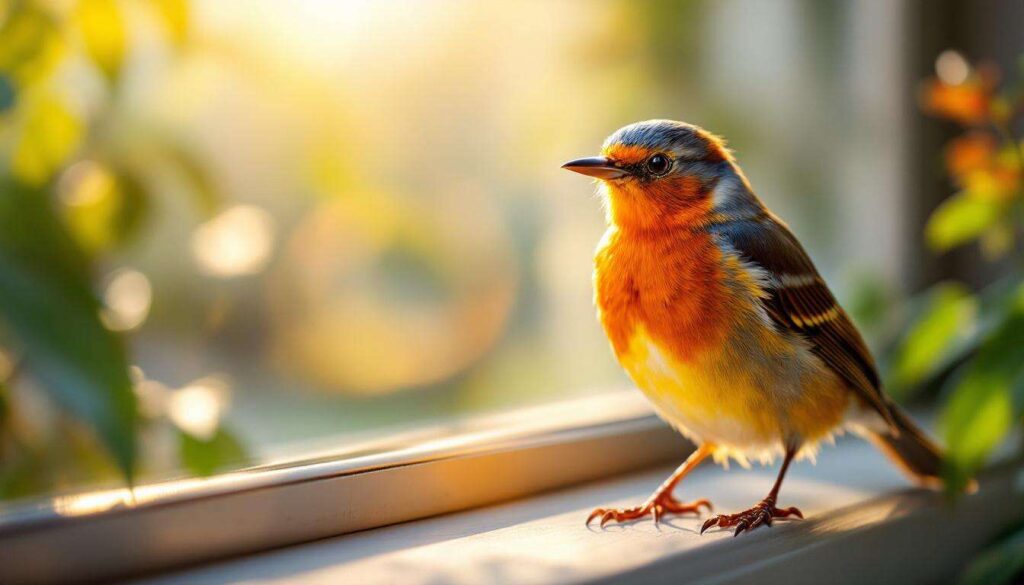
A sudden thud against the glass can signal a frightening event: a bird has just collided with your window. These incidents are far more common than most people realise, with hundreds of millions of birds losing their lives each year due to such impacts. Most collisions occur at residential properties rather than towering skyscrapers, making every homeowner a potential first responder. Understanding why these accidents happen and knowing how to react appropriately can mean the difference between life and death for an injured bird.
Why do birds hit windows ?
Reflections that deceive avian vision
Birds perceive their environment differently from humans, and reflective glass surfaces create dangerous optical illusions. Windows often mirror surrounding trees, sky, or vegetation, leading birds to believe they can fly straight through to the habitat they see reflected. This phenomenon becomes particularly hazardous during migration periods when unfamiliar birds navigate through residential areas for the first time.
Transparency and through-vision confusion
Another common cause involves transparent glass that allows birds to see through buildings. When they observe plants or open space on the opposite side of a structure, they attempt to take what appears to be a direct route. Corner windows and glass corridors present especially high risks due to this through-vision effect.
Environmental factors increasing collision risk
Several conditions amplify the likelihood of window strikes:
- Bird feeders or birdbaths positioned too close to windows
- Bright interior lighting during dawn or dusk hours
- Seasonal migration patterns bringing increased bird traffic
- Weather conditions affecting visibility and flight patterns
Understanding these causes helps explain not only why collisions occur but also what immediate effects such impacts have on the birds themselves.
The consequences of a collision for the bird
Physical trauma from impact
When a bird strikes a window at full flight speed, the physical consequences can range from minor stunning to fatal injuries. The most common injuries include concussions, broken bones, and internal bleeding. The frontal impact often affects the bird’s head and neck, potentially causing neurological damage that may not be immediately apparent.
Temporary stunning versus serious injury
Many birds experience what appears to be a stunned state following collision. This temporary condition may last from several minutes to a few hours, during which the bird remains vulnerable to predators and environmental hazards. Distinguishing between a stunned bird and one with serious injuries requires careful observation.
| Condition | Signs | Prognosis |
|---|---|---|
| Stunned | Upright position, alert eyes, leg movement when touched | Good recovery potential |
| Seriously injured | Twisted neck, no leg response, laboured breathing | Requires professional intervention |
| Deceased | No movement, no response to gentle touch | No recovery possible |
Secondary risks during recovery
Even a bird that appears only mildly affected faces significant secondary dangers. Cats, dogs, and wild predators can easily capture a disoriented bird. Additionally, exposure to extreme temperatures or precipitation during the vulnerable recovery period can prove fatal. These factors make immediate, appropriate intervention crucial for the bird’s survival.
Recognising these various consequences prepares you to take the proper initial actions when you discover an affected bird.
First steps to help a stunned bird
Initial assessment of the bird’s condition
Your first priority involves determining whether the bird is alive. Approach slowly and quietly to avoid causing additional stress. Gently touch the bird’s legs: movement indicates the bird is stunned rather than deceased. Observe the bird’s breathing pattern and whether it maintains an upright position.
Safe handling and containment
If the bird shows signs of life, you must secure it safely whilst it recovers. Follow these steps:
- Use a soft towel or lightweight cloth to gently cover the bird
- Carefully pick up the bird, supporting its body without applying pressure
- Place it in a well-ventilated cardboard box with air holes
- Line the box with a soft cloth or paper towels
- Keep the box in a quiet, dark, temperature-controlled location
Monitoring during recovery
Once secured, the bird requires observation without interference. Check periodically every 30 minutes, but avoid excessive handling or noise. A stunned bird typically recovers within two hours. If the bird appears alert and attempts to move about the box, it may be ready for release in a safe outdoor location away from windows.
Recognising when recovery is progressing
Positive signs include the bird standing upright, preening its feathers, and displaying normal eye movement. When these behaviours emerge, you can prepare for release by taking the box outside to a sheltered area with nearby vegetation. Open the box and allow the bird to leave at its own pace.
Whilst immediate care addresses the current situation, implementing preventive measures ensures fewer birds face this danger in future.
Preventing collisions: solutions for your windows
Visual markers and deterrents
Making glass visible to birds represents the most effective prevention strategy. Various solutions can break up reflections and alert birds to the barrier:
- Window decals or stickers spaced no more than 10 centimetres apart
- Tempera paint or soap markings in patterns across the glass
- External screens or netting positioned several centimetres from windows
- UV-reflective films visible to birds but transparent to humans
Environmental modifications
Adjusting your property’s layout can significantly reduce collision risks. Consider relocating bird feeders either within one metre of windows (preventing birds from gaining dangerous speed) or beyond ten metres away. Installing external shutters, awnings, or shade screens also diminishes reflectivity whilst providing additional benefits like temperature control.
Interior adjustments
Simple changes inside your home contribute to bird safety. Close curtains or blinds during peak migration periods, particularly at dawn and dusk. Reduce interior lighting visible from outside, and consider rearranging indoor plants that might attract birds towards windows.
Even with preventive measures in place, knowing what not to do when helping an injured bird remains equally important.
Errors to avoid during an intervention
Inappropriate handling techniques
Well-intentioned rescuers sometimes cause additional harm through improper handling. Never squeeze a bird’s chest or abdomen, as this restricts breathing. Avoid touching the bird’s wings unnecessarily, as broken bones can worsen with movement. Resist the urge to offer food or water to a stunned bird, as it may aspirate liquids or choke.
Premature release
Releasing a bird before it has fully recovered represents a common but dangerous mistake. A bird that cannot fly properly remains vulnerable to predators and may suffer from undetected internal injuries. Ensure the bird demonstrates strong, coordinated movement before release.
Keeping the bird too long
Conversely, retaining a recovered bird longer than necessary causes undue stress. Wild birds experience significant anxiety in captivity, which can compromise their health. Once the bird shows clear signs of recovery, prompt release in suitable habitat serves its best interests.
Attempting to treat serious injuries
Recognising the limits of appropriate first aid proves crucial. Do not attempt to:
- Splint broken wings or legs without professional training
- Administer medications or treatments
- Force-feed an injured bird
- Keep the bird as a temporary pet
Understanding when your intervention should end and professional care should begin ensures the bird receives appropriate treatment for serious conditions.
When and how to seek professional help
Signs requiring expert intervention
Certain conditions demand immediate professional assistance. Contact a wildlife rehabilitator or veterinarian if the bird exhibits:
- Visible bleeding or open wounds
- Wings held at abnormal angles
- Inability to stand after two hours
- Laboured breathing or gasping
- Unresponsive pupils or closed eyes whilst conscious
Locating qualified wildlife professionals
Finding appropriate help requires knowing where to look. Licensed wildlife rehabilitators possess the training and legal authorisation to treat wild birds. Search online directories specific to your region, contact local veterinary surgeries for referrals, or reach out to wildlife conservation organisations. Many areas maintain emergency hotlines for wildlife incidents.
Transporting the bird safely
When professional care becomes necessary, proper transport protects both you and the bird. Keep the bird in a secure, ventilated container during transit. Maintain a quiet environment and avoid sudden movements. Never transport a bird loose in your vehicle, as it may injure itself further if it revives during the journey.
Legal considerations
Remember that keeping wild birds without proper licensing violates wildlife protection laws in most jurisdictions. Even with good intentions, only qualified professionals should provide extended care. Your role involves stabilising the bird and connecting it with authorised carers.
Taking swift, informed action when a bird collides with your window, combined with implementing effective prevention strategies, protects vulnerable wildlife. Every collision prevented and every injured bird properly assisted contributes to conservation efforts. Simple modifications to your windows and knowledge of appropriate response procedures transform you from a bystander into an active guardian of local bird populations. Whether through visual deterrents, careful handling of stunned birds, or knowing when to contact professionals, your actions genuinely matter in reducing avoidable bird mortality.