

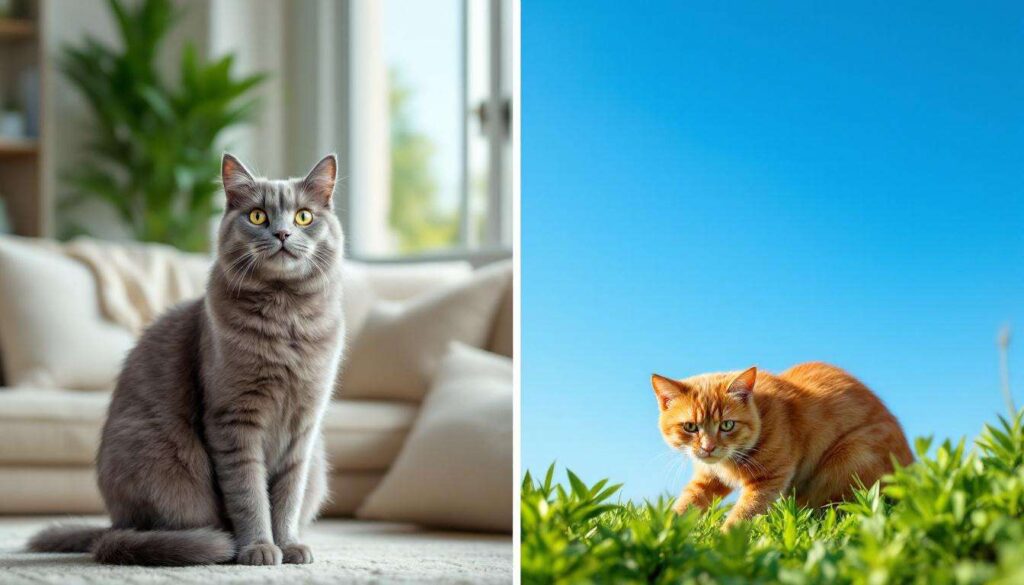
Cats live vastly different lives depending on whether they spend their days prowling gardens or lounging on sofas. The choice between keeping a feline companion indoors or allowing outdoor access shapes every aspect of their existence, from physical health to psychological well-being. Understanding these fundamental differences helps owners make informed decisions that align with their cat’s needs and their own circumstances. The distinctions extend far beyond simple location, influencing diet, behaviour, safety, and longevity in ways that deserve careful consideration.
Lifestyle differences: indoor vs outdoor
The indoor cat’s controlled environment
Indoor cats inhabit a predictable and stable world where temperature, lighting, and resources remain constant. Their territory typically consists of several rooms, offering vertical spaces like cat trees and horizontal areas for rest. These felines develop routines centred around feeding times, play sessions with owners, and designated sleeping spots. The controlled nature of their environment means they face fewer variables but also experience limited sensory stimulation compared to their outdoor counterparts.
The outdoor cat’s dynamic territory
Outdoor cats navigate a complex and ever-changing landscape that engages all their senses. Their daily activities include:
- Patrolling territorial boundaries and marking areas
- Hunting small prey such as rodents, birds, and insects
- Interacting with other cats and wildlife
- Exploring new scents, sounds, and textures
- Seeking shelter from weather conditions
This lifestyle demands constant adaptation to environmental factors including weather, seasonal changes, and encounters with other animals. The outdoor cat experiences natural light cycles and temperature variations that align with their biological rhythms, though these same elements introduce unpredictability into their daily existence.
These contrasting lifestyles naturally lead to significant variations in physical health and psychological well-being between the two groups.
Health and well-being: what impact on cats ?
Physical health considerations
Indoor cats face distinct health challenges compared to outdoor felines. Obesity represents a primary concern for indoor cats, with studies indicating higher rates of weight gain due to reduced activity levels and constant food availability. Conversely, outdoor cats typically maintain leaner physiques through regular exercise and hunting activities. However, outdoor cats encounter greater exposure to:
- Infectious diseases such as feline leukaemia virus and feline immunodeficiency virus
- Parasites including fleas, ticks, and worms
- Injuries from fights with other animals
- Toxic substances and contaminated water sources
Psychological well-being
The mental health landscape differs considerably between indoor and outdoor cats. Indoor cats may develop behavioural issues stemming from understimulation, including destructive scratching, excessive vocalisation, and inappropriate elimination. Without adequate enrichment, they can experience stress and anxiety manifesting as overgrooming or aggression. Outdoor cats generally exhibit fewer signs of boredom-related stress, though they face psychological pressures from territorial disputes and survival challenges.
| Health aspect | Indoor cats | Outdoor cats |
|---|---|---|
| Obesity risk | High | Low |
| Disease exposure | Minimal | Significant |
| Injury frequency | Rare | Common |
| Stress from boredom | Moderate to high | Low |
These health variations directly influence the nutritional requirements that each lifestyle demands.
Diet: distinct needs
Caloric requirements and energy expenditure
Outdoor cats burn significantly more calories through their active lifestyle, requiring diets with higher energy density. Their hunting activities, territorial patrols, and exposure to temperature fluctuations increase metabolic demands. Indoor cats, conversely, need carefully controlled portions to prevent weight gain, typically consuming 20-30% fewer calories than equally sized outdoor cats. Feeding schedules also differ, with outdoor cats often benefiting from multiple small meals to sustain energy levels, whilst indoor cats thrive on regulated mealtimes that prevent overeating.
Nutritional composition and supplementation
The dietary composition must reflect each cat’s activity level and environmental challenges. Indoor cat foods often contain:
- Higher fibre content to promote satiety and prevent obesity
- Reduced calorie density to match lower energy expenditure
- Ingredients supporting urinary tract health due to reduced water intake
- Nutrients promoting healthy skin and coat without outdoor grooming benefits
Outdoor cats benefit from protein-rich formulations supporting muscle maintenance and immune function, particularly important given their exposure to pathogens. They may also require additional supplementation during extreme weather conditions when energy demands peak. Indoor cats sometimes need hairball control formulas, as they spend more time grooming and lack access to grass that aids digestion.
Beyond nutritional differences, the environments themselves present vastly different safety profiles that owners must carefully weigh.
Risks and safety: a major concern
Outdoor hazards and mortality factors
Outdoor cats face numerous life-threatening dangers that indoor cats never encounter. Traffic accidents represent the leading cause of premature death amongst outdoor felines, particularly in urban and suburban areas. Additional risks include:
- Predation by dogs, foxes, coyotes, and birds of prey
- Poisoning from rodenticides, antifreeze, and toxic plants
- Traps and snares set for other animals
- Extreme weather conditions causing hypothermia or heatstroke
- Getting trapped in sheds, garages, or vehicles
The cumulative effect of these hazards significantly impacts outdoor cat populations, with many facing injuries or death from preventable causes.
Indoor safety considerations
Whilst indoor cats avoid external threats, they encounter household-specific dangers requiring owner vigilance. Toxic houseplants, open windows, electrical cords, and small objects pose ingestion or injury risks. Indoor cats may also suffer from accidents involving appliances, falling from high furniture, or escaping through open doors into unfamiliar outdoor environments where they lack survival skills. However, these risks remain substantially lower and more manageable than those faced by outdoor cats.
| Risk category | Indoor cats | Outdoor cats |
|---|---|---|
| Traffic accidents | None | Very high |
| Predator attacks | None | Moderate to high |
| Disease transmission | Very low | High |
| Household hazards | Low to moderate | None |
These safety concerns directly influence how cats behave and what forms of stimulation they require to thrive.
Behaviour and stimulation: varieties and specifics
Natural instincts and expression
Outdoor cats enjoy unrestricted opportunities to express innate feline behaviours including hunting, climbing, scratching on various surfaces, and establishing territories. These activities fulfil evolutionary drives and provide mental satisfaction that comes from successfully executing natural skills. Indoor cats possess identical instincts but require owner intervention to channel these behaviours appropriately through environmental enrichment and interactive play.
Enrichment strategies for indoor cats
Creating a stimulating indoor environment demands deliberate effort and resources. Effective enrichment includes:
- Puzzle feeders that simulate hunting and foraging behaviours
- Vertical spaces such as cat trees and wall-mounted shelves
- Window perches offering visual stimulation from outdoor activity
- Rotating toy selection to maintain novelty and interest
- Interactive play sessions mimicking prey movements
- Scratching posts in various materials and locations
Without adequate stimulation, indoor cats develop stereotypic behaviours indicating psychological distress. Outdoor cats self-regulate their activity levels and seek stimulation independently, though they may become less social with human family members due to their autonomous lifestyle.
The cumulative effects of these lifestyle differences ultimately manifest in measurable impacts on longevity and overall quality of life.
Lifespan and quality of life: influence of environment
Statistical differences in longevity
Research consistently demonstrates that indoor cats live substantially longer than their outdoor counterparts. Indoor cats typically reach 15-20 years of age, with many surviving into their early twenties. Outdoor cats face a dramatically reduced lifespan averaging 2-5 years, though some individuals in safer environments may reach 10 years. This stark disparity reflects the cumulative impact of accidents, disease, and environmental hazards that outdoor cats navigate daily.
Quality of life considerations
Longevity alone does not determine a fulfilling feline existence. Quality of life encompasses physical comfort, mental stimulation, and behavioural satisfaction. Indoor cats benefit from:
- Consistent veterinary care and preventive medicine
- Protection from injuries and infectious diseases
- Stable food and water sources
- Climate-controlled comfort year-round
However, they may experience reduced autonomy and limited sensory experiences compared to outdoor cats who enjoy freedom, varied environments, and opportunities to express natural behaviours fully. The ideal scenario often involves supervised outdoor access through catios, harness training, or enclosed gardens that balance safety with enrichment, though this requires resources and commitment not available to all owners.
The decision between indoor and outdoor living profoundly shapes every aspect of a cat’s existence. Indoor cats trade freedom and sensory richness for safety and longevity, whilst outdoor cats embrace natural behaviours at the cost of numerous health risks and shortened lifespans. Neither lifestyle proves universally superior, as individual cat temperaments, owner circumstances, and local environments all influence suitability. Owners must honestly assess their ability to provide adequate enrichment indoors or manage outdoor risks, prioritising their cat’s physical health alongside psychological well-being. Understanding these real differences enables informed choices that honour both the domestic cat’s evolutionary heritage and the realities of modern pet ownership.