


Few creatures in the avian world command such admiration as the Hyacinth Macaw, a bird whose striking cobalt plumage and gentle temperament have captivated enthusiasts for generations. This magnificent parrot, the largest of its kind capable of flight, possesses an extraordinary capacity for forming profound emotional connections with humans. Beyond its physical splendour lies a creature of remarkable intelligence and sensitivity, one that invests deeply in relationships and demonstrates loyalty comparable to the most devoted companions. Understanding the nature of these bonds reveals not only the complexity of this species but also the responsibilities inherent in sharing one’s life with such an exceptional being.
Presentation of the Hyacinth Macaw: the gentle giant
Physical characteristics and distinctive features
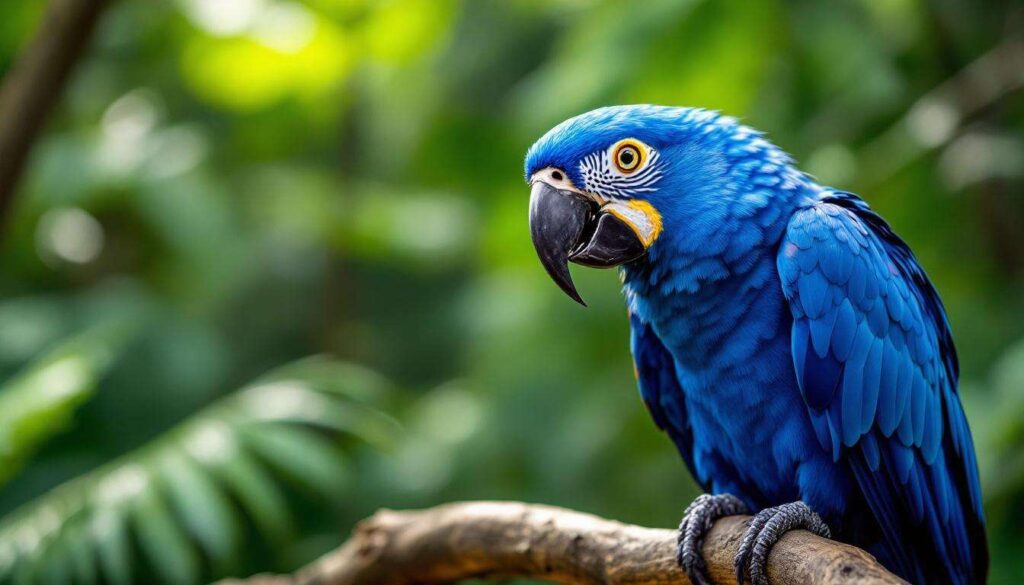
The Hyacinth Macaw stands as a true giant amongst parrots, reaching lengths of up to 100 cm from head to tail. Its vibrant royal blue plumage creates an unforgettable visual impression, complemented by distinctive yellow eye rings and patches at the base of its powerful curved beak. Weighing between 1.5 and 2 kg, these birds possess a substantial yet graceful presence that commands attention without aggression.
| Characteristic | Measurement |
|---|---|
| Length | Up to 100 cm |
| Weight | 1.5 to 2 kg |
| Lifespan in captivity | Up to 60 years |
Natural habitat and geographical distribution
Native to South America, the Hyacinth Macaw inhabits tropical forests and wooded regions, particularly favouring areas with abundant palm trees. Their natural range encompasses parts of Brazil, Bolivia, and Paraguay, though habitat destruction and illegal trade have significantly reduced wild populations. These birds require vast territories and specific environmental conditions, making their survival increasingly dependent on conservation efforts.
Temperament and social nature
Despite their imposing size, Hyacinth Macaws exhibit a remarkably gentle disposition. Their temperament combines playfulness with sensitivity, creating a personality that endears them to those who understand their needs. Key behavioural traits include:
- Highly social nature requiring constant interaction
- Playful curiosity about their environment
- Gentle handling despite powerful beak strength
- Vocal communication through various calls and sounds
- Strong preference for routine and familiar surroundings
These characteristics establish the foundation for understanding why this species forms such profound connections, setting the stage for exploring the mechanisms behind their bonding capabilities.
The incredible bonding ability of the Hyacinth Macaw
Monogamous tendencies and partner selection
In their natural habitat, Hyacinth Macaws typically mate for life, demonstrating a level of commitment rarely observed in the animal kingdom. This monogamous behaviour extends beyond mere reproductive necessity, encompassing genuine companionship and mutual support. Pairs engage in constant communication, share food, and maintain physical proximity throughout their lives. This innate capacity for devoted partnership translates directly to their relationships with human caretakers.
Emotional intelligence and recognition
The cognitive abilities of Hyacinth Macaws enable them to recognise individual humans and respond to emotional cues with remarkable accuracy. They demonstrate:
- Memory of specific individuals over extended periods
- Sensitivity to human emotional states and moods
- Ability to learn and respond to verbal commands
- Recognition of facial expressions and body language
- Capacity for problem-solving and adaptive behaviour
The bonding process with humans
When a Hyacinth Macaw forms an attachment to a human, the process mirrors their natural pairing behaviour. The bird selects a preferred individual and invests considerable emotional energy in maintaining that relationship. This bond manifests through physical affection, vocal greetings, and a clear preference for the chosen person’s company. The depth of attachment can become so profound that separation causes genuine distress, underscoring the seriousness of the commitment required.
Understanding these bonding mechanisms naturally leads to examining how these relationships function in domestic settings and what distinguishes human-macaw interactions from other pet relationships.
Relationship between the Hyacinth Macaw and humans
Loyalty comparable to canine companions
The devotion exhibited by Hyacinth Macaws often draws comparisons to dogs, yet the avian bond possesses unique qualities. These parrots demonstrate their attachment through constant seeking of proximity, enthusiastic greetings after absences, and visible distress when separated from their chosen person. Unlike dogs, however, their loyalty combines with complex vocalisations and sophisticated problem-solving abilities, creating a relationship dynamic that demands intellectual engagement alongside emotional connection.
Communication patterns and interaction styles
Effective relationships with Hyacinth Macaws depend on understanding their communication methods:
- Vocal calls expressing various emotional states
- Body language including wing positions and head movements
- Physical contact through preening and gentle beak touches
- Eye contact and pupil dilation indicating excitement or interest
- Mimicry of sounds and words to engage attention
The reciprocal nature of the bond
Unlike passive pets, Hyacinth Macaws expect active participation from their human companions. The relationship functions as a genuine partnership where both parties contribute to the interaction. These birds require mental stimulation, emotional support, and consistent engagement. They remember kindness and respond to patience, but equally recall negative experiences. This reciprocal dynamic demands that potential owners recognise they are entering a mutual relationship rather than simply acquiring a pet.
Such profound connections require specific environmental and practical considerations to flourish, making preparation essential for anyone considering welcoming one of these magnificent birds.
The ideal conditions for welcoming a Hyacinth Macaw
Space requirements and housing considerations
The sheer size of Hyacinth Macaws necessitates substantial living space. A cage must measure at minimum 3.5 metres in length, though many experts recommend dedicated aviaries or bird rooms. The enclosure requires:
- Reinforced construction due to powerful beak strength
- Multiple perches of varying diameters and materials
- Secure locks preventing escape
- Adequate ventilation and natural light access
- Space for flight and wing extension
Dietary needs and nutritional requirements
Proper nutrition proves critical for health and longevity. The natural diet consists primarily of palm nuts, requiring replication through:
| Food category | Percentage of diet |
|---|---|
| Nuts (macadamia, Brazil, palm) | 50-60% |
| Fresh fruits and vegetables | 30-40% |
| Pellets and supplements | 10-20% |
Time commitment and daily interaction
Hyacinth Macaws demand several hours of direct interaction daily. Owners must provide mental stimulation through toys, training sessions, and social engagement. The 60-year potential lifespan means this commitment spans decades, requiring consideration of life circumstances and future planning.
Despite optimal conditions, cohabitation with these intelligent creatures presents inevitable challenges that prospective owners must acknowledge and prepare to address.
The challenges of cohabiting with a Hyacinth Macaw
Noise levels and vocal behaviour
The powerful vocalisations of Hyacinth Macaws can reach considerable volumes, particularly during morning and evening periods. Their calls serve communication purposes but may prove incompatible with apartment living or noise-sensitive neighbourhoods. Potential owners must honestly assess their tolerance and living situation before commitment.
Destructive potential and environmental management
The formidable beak strength capable of cracking palm nuts translates to significant destructive capability within homes. Challenges include:
- Damage to furniture, woodwork, and household items
- Need for constant supervision during out-of-cage time
- Requirement for safe, destructible toys and materials
- Protection of electrical wiring and dangerous substances
- Regular replacement of damaged perches and accessories
Financial considerations and veterinary care
Beyond the substantial initial acquisition cost, ongoing expenses prove considerable. Specialised avian veterinary care, appropriate diet, spacious housing, and enrichment materials create significant financial obligations. Emergency medical situations can incur expenses comparable to those for large mammals, requiring financial preparedness.
Emotional dependency and behavioural issues
The same bonding capacity that makes these birds remarkable companions can manifest as problematic dependency. Separation anxiety, jealousy towards other family members, and distress during owner absences require management through training and gradual conditioning. Some individuals develop feather-plucking or aggressive behaviours when emotional needs remain unmet.
Successfully navigating these challenges requires ongoing dedication to maintaining the relationship’s health and the bird’s wellbeing through deliberate practices.
Preserving ties with a feathered companion
Consistency and routine maintenance
Hyacinth Macaws thrive on predictable schedules and consistent interaction. Establishing regular feeding times, play sessions, and training periods creates security and reinforces trust. Even brief daily absences should follow patterns the bird can anticipate, reducing anxiety and maintaining the emotional connection during separations.
Enrichment and mental stimulation
Preserving a healthy bond requires continuous intellectual engagement through:
- Rotating selection of foraging toys and puzzles
- Training new behaviours and tricks
- Introducing novel but safe objects for exploration
- Providing opportunities for natural behaviours like chewing
- Social interaction with multiple trusted individuals
Long-term planning and legacy considerations
Given their exceptional longevity, responsible ownership includes planning for the bird’s future beyond the owner’s lifespan or changing circumstances. This involves identifying potential caretakers, establishing financial provisions, and gradually introducing the bird to trusted individuals who might assume care. Such planning demonstrates the ultimate commitment to a companion whose loyalty deserves reciprocation across decades.
The Hyacinth Macaw represents a unique opportunity for profound interspecies connection, combining stunning beauty with remarkable emotional depth. Their capacity for forming lasting bonds transforms them from mere pets into genuine life partners, yet this privilege carries substantial responsibilities. Prospective owners must honestly evaluate their ability to provide appropriate space, time, financial resources, and emotional investment across potentially six decades. Those who can meet these demands discover a relationship of extraordinary richness, characterised by mutual affection and loyalty. As wild populations face ongoing threats, responsible captive care and support for conservation efforts ensure these magnificent gentle giants continue enriching lives whilst maintaining their presence in natural habitats for future generations to appreciate.