



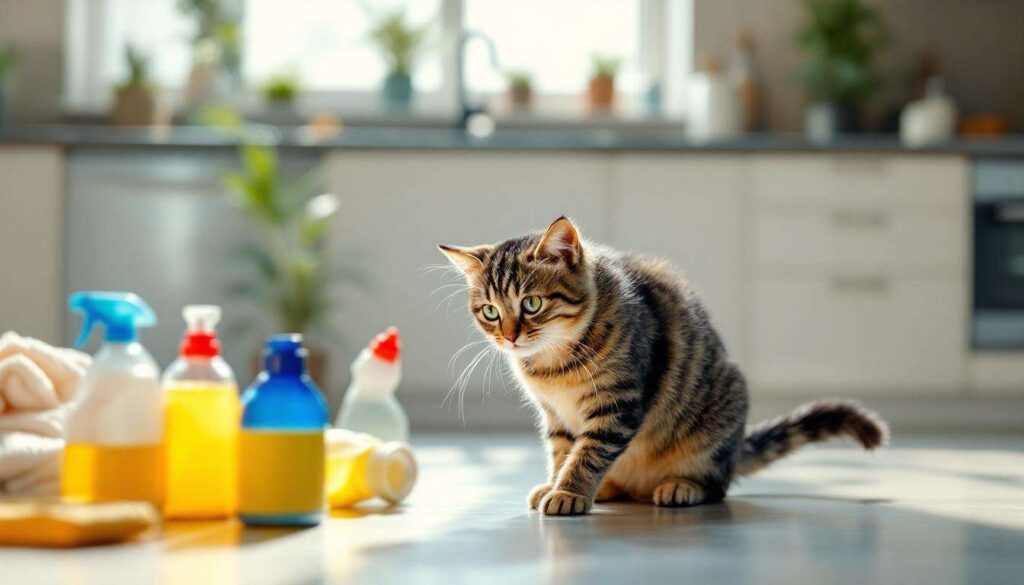
Cats are naturally curious creatures, and this inquisitive nature can sometimes lead them into dangerous situations. Poisoning represents one of the most serious health emergencies that feline owners face, with thousands of cases reported annually to veterinary poison control centres. Understanding the main causes of poisoning is essential for preventing these potentially fatal incidents. From everyday household items to seemingly harmless plants, numerous substances pose significant risks to our feline companions. Recognising these hazards and taking appropriate precautions can make the difference between life and death for your beloved pet.
Common toxic foods for cats
Foods that should never reach your cat’s bowl
Many foods that humans consume regularly are extremely dangerous for cats, even in small quantities. The feline digestive system processes substances differently than humans, making certain ingredients potentially lethal. Chocolate tops the list of dangerous foods, containing theobromine and caffeine, which cats cannot metabolise effectively. Dark chocolate poses the greatest risk due to its higher concentration of these compounds.
Other common foods that require strict avoidance include:
- Onions and garlic in any form (raw, cooked, powdered or dried)
- Grapes and raisins, which can cause acute kidney failure
- Alcohol, even in minute amounts
- Xylitol, an artificial sweetener found in sugar-free products
- Raw dough containing yeast
- Caffeine in any form including tea and coffee
The hidden dangers in everyday meals
Dairy products deserve special mention, as many cats are lactose intolerant. While not typically fatal, milk and cheese can cause severe digestive upset. Similarly, raw fish and eggs carry risks of bacterial contamination and can interfere with vitamin absorption. Fat trimmings and bones from meat may cause pancreatitis or intestinal obstruction, making them equally hazardous despite seeming like natural cat food.
Beyond food items, the environment surrounding our feline friends presents equally concerning threats.
Houseplants and gardens: hidden dangers
Indoor plants that pose serious risks
The aesthetic appeal of houseplants often overshadows their potential toxicity to cats. Lilies represent the most dangerous plant family for felines, with all parts of the plant being highly toxic. Even small amounts of pollen or water from a vase containing lilies can cause severe kidney damage. Other common houseplants requiring vigilance include:
- Philodendron and pothos varieties
- Dieffenbachia (dumb cane)
- Sago palm
- Aloe vera
- Cyclamen
- Kalanchoe
Garden plants and outdoor hazards
Gardens present additional challenges for cat owners. Azaleas and rhododendrons contain grayanotoxins that affect the cardiovascular system, whilst tulip and daffodil bulbs can cause severe gastrointestinal problems. Autumn crocus, foxglove and oleander are amongst the most dangerous garden plants, potentially causing fatal cardiac complications.
| Plant | Toxic Part | Primary Symptoms |
|---|---|---|
| Lily | All parts | Kidney failure, vomiting |
| Azalea | Leaves, flowers | Cardiac issues, weakness |
| Sago Palm | Seeds, roots | Liver failure, seizures |
| Oleander | All parts | Heart problems, death |
Whilst plants constitute a significant threat, many everyday cleaning and maintenance products also warrant careful consideration.
Household products: unexpected risks
Cleaning agents and their toxic properties
Household cleaners contain chemicals that are particularly dangerous to cats. Bleach, ammonia-based products and phenol-containing disinfectants can cause respiratory distress, chemical burns and organ damage. Cats may encounter these substances by walking on freshly cleaned surfaces and then grooming their paws, or by inhaling fumes in poorly ventilated areas. Essential oils and air fresheners deserve special mention, as cats lack the liver enzymes necessary to process many aromatic compounds.
Other household hazards
Additional domestic products requiring secure storage include:
- Antifreeze (ethylene glycol), which has a sweet taste attractive to cats
- Paint, varnish and paint thinners
- Batteries containing corrosive acids
- Liquid potpourri and reed diffusers
- Mothballs containing naphthalene or paradichlorobenzene
- Fabric softeners and dryer sheets
The medicine cabinet represents another area where vigilance proves essential for feline safety.
Human medications: beware of mistakes
Over-the-counter medications posing risks
Human medications account for a significant proportion of feline poisoning cases. Paracetamol stands out as particularly deadly for cats, causing liver damage and destruction of red blood cells even at low doses. A single tablet can prove fatal. Non-steroidal anti-inflammatory drugs (NSAIDs) such as ibuprofen and aspirin cause gastrointestinal ulceration and kidney damage in felines.
Prescription medications and supplements
Prescription medications present equal dangers. Antidepressants, ADHD medications and cardiac drugs can cause severe neurological and cardiovascular symptoms in cats. Even seemingly benign supplements like vitamin D can be toxic in excess. The small size of cats means that doses safe for humans represent massive overdoses for felines.
| Medication Type | Common Examples | Main Toxicity |
|---|---|---|
| Paracetamol | Panadol, Calpol | Liver failure, anaemia |
| NSAIDs | Ibuprofen, Aspirin | Kidney damage, ulcers |
| Antidepressants | SSRIs, TCAs | Neurological symptoms |
Alongside human medications, products specifically designed for animal care can also present unexpected hazards.
Anti-parasite products and their potential toxicity
Incorrect use of flea and tick treatments
Permethrin-based products designed for dogs represent one of the most common causes of poisoning in cats. Cats lack the ability to metabolise pyrethroids effectively, making these compounds extremely toxic to felines. Symptoms include tremors, seizures, hypersalivation and potentially death. Never apply dog flea treatments to cats, and keep treated dogs separated from cats until the product has dried completely.
Overdosing and product misuse
Even cat-specific anti-parasite products can cause problems when misused. Applying multiple products simultaneously, using incorrect dosages based on weight, or applying products more frequently than recommended can lead to toxicity. Always follow veterinary guidance and product instructions precisely.
Beyond commercial pest control products for pets, environmental pesticides and chemicals present additional concerns.
Chemicals and pesticides: increased vigilance necessary
Garden and agricultural chemicals
Rodenticides pose severe risks to cats, either through direct ingestion or by consuming poisoned prey. Different types of rat poison affect cats differently: anticoagulants prevent blood clotting, whilst newer formulations may cause brain swelling or kidney failure. Slug pellets containing metaldehyde cause tremors and seizures, whilst weed killers and fertilisers can irritate the digestive tract and skin.
Indoor pest control products
Insecticides used indoors require equal caution. Products containing organophosphates or carbamates inhibit essential enzymes, causing neurological symptoms. Ant and cockroach baits, whilst designed to be contained, can be accessed by curious cats. The following safety measures reduce exposure risks:
- Store all chemicals in secure, elevated locations
- Remove cats from treated areas until products have dried or settled
- Choose pet-safe alternatives whenever possible
- Dispose of poisoned rodents immediately to prevent secondary poisoning
- Read and follow all label instructions regarding pet safety
Protecting cats from poisoning requires constant awareness of the numerous hazards present in domestic environments. From toxic foods and medications to dangerous plants and household chemicals, potential threats surround our feline companions daily. Prevention remains the most effective strategy: secure storage of dangerous substances, careful selection of pet-safe products, and immediate veterinary attention when exposure occurs can save lives. By understanding these seven main causes of poisoning and implementing appropriate safeguards, cat owners can create safer environments for their cherished pets whilst maintaining the vigilance necessary to respond swiftly should accidents occur.