



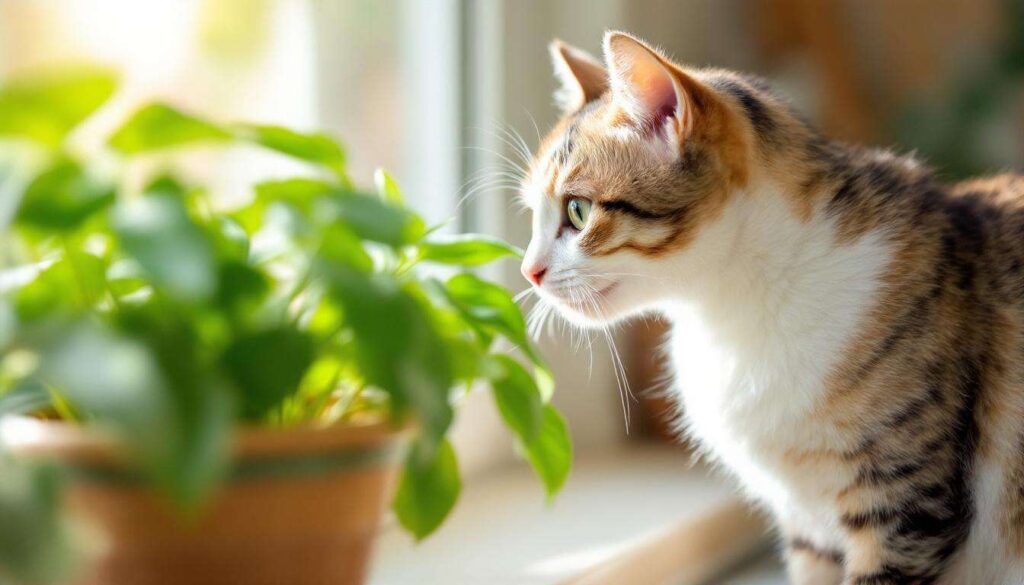
Feline companions are known for their curiosity and their tendency to explore their environment with both paws and mouths. This natural behaviour, whilst endearing, can expose them to serious health risks. Poisoning remains one of the most common veterinary emergencies affecting cats, with thousands of cases reported annually. Understanding the substances and products that pose the greatest threat is essential for preventing potentially fatal incidents. From seemingly harmless household items to decorative plants, the dangers lurk in unexpected places within our homes and gardens.
Toxic foods for cats
Common culinary dangers
Many foods that humans consume regularly can prove extremely hazardous to cats. Chocolate stands among the most dangerous, containing theobromine, a compound that felines cannot metabolise effectively. Even small quantities can trigger severe reactions, including vomiting, diarrhoea, rapid heart rate, seizures and potentially fatal cardiac complications. Dark chocolate and baking chocolate contain higher concentrations of theobromine, making them particularly lethal.
Onions and garlic, whether raw, cooked or powdered, contain compounds called thiosulphates that damage red blood cells in cats. This can lead to a condition known as Heinz body anaemia, characterised by:
- Weakness and lethargy
- Pale gums
- Orange to dark red urine
- Rapid breathing
- Loss of appetite
Other dietary hazards
Grapes and raisins, whilst their toxic mechanism remains unclear, have been linked to kidney failure in some cats. Alcohol, even in minute amounts, can cause serious intoxication, leading to coordination problems, respiratory depression and potentially coma. Xylitol, an artificial sweetener found in sugar-free products, can trigger a dangerous drop in blood sugar levels and liver failure.
| Food Item | Toxic Component | Primary Effect |
|---|---|---|
| Chocolate | Theobromine | Cardiac and neurological damage |
| Onions/Garlic | Thiosulphates | Anaemia |
| Grapes/Raisins | Unknown | Kidney failure |
| Xylitol | Artificial sweetener | Hypoglycaemia, liver failure |
Beyond the kitchen, the living spaces where cats spend most of their time harbour botanical threats that many owners fail to recognise.
Dangerous indoor plants
Lilies: the silent killer
Lilies represent the single most dangerous plant for cats. Species including Easter lilies, tiger lilies, Asiatic lilies and day lilies can cause acute kidney failure even when cats ingest tiny amounts. All parts of these plants are toxic, from petals to pollen, leaves to stems. Symptoms typically appear within hours and include vomiting, lethargy, loss of appetite and dehydration. Without immediate veterinary intervention, kidney failure progresses rapidly, often proving fatal within three to seven days.
Common houseplants with toxic properties
Numerous popular ornamental plants pose risks to feline health. Philodendrons contain calcium oxalate crystals that cause intense oral irritation, excessive drooling, difficulty swallowing and vomiting. Dracaena species, sometimes called lucky bamboo, trigger similar symptoms along with dilated pupils and increased heart rate.
Other hazardous indoor plants include:
- Pothos (devil’s ivy): oral irritation and digestive upset
- Dieffenbachia: severe mouth pain and swelling
- Sago palm: liver failure and neurological damage
- Aloe vera: vomiting, diarrhoea and tremors
- Cyclamen: cardiac abnormalities and seizures
Whilst plants add beauty to our homes, the products we use to maintain cleanliness can be equally perilous to our feline friends.
Household products to avoid
Cleaning agents and chemicals
Common cleaning products contain ingredients that are highly toxic to cats. Bleach-based cleaners can cause severe oral burns, gastrointestinal ulceration and respiratory distress when inhaled or ingested. Cats walking across freshly cleaned surfaces may lick their paws, inadvertently consuming harmful residues. Ammonia-based products produce similar effects and can damage the mucous membranes of the eyes, nose and throat.
Automotive and garage hazards
Antifreeze containing ethylene glycol poses an extreme danger to cats. Its sweet taste attracts animals, but even small amounts cause rapid kidney failure. Symptoms progress through stages, beginning with apparent intoxication and progressing to severe metabolic disturbances. Motor oil, brake fluid and windscreen washer fluid also contain toxic compounds that can prove fatal.
| Product Type | Common Ingredients | Toxicity Level |
|---|---|---|
| Bleach cleaners | Sodium hypochlorite | High |
| Antifreeze | Ethylene glycol | Extremely high |
| Disinfectants | Phenols, pine oils | Moderate to high |
| Detergents | Anionic surfactants | Moderate |
Just as household chemicals present risks, medications designed for human use can be equally devastating when accessed by cats.
High-risk human medications
Over-the-counter dangers
Paracetamol, a common pain reliever for humans, is exceptionally toxic to cats. A single tablet can prove fatal, causing damage to red blood cells and liver failure. Symptoms include brown-coloured gums, difficulty breathing, facial swelling and jaundice. Ibuprofen and other non-steroidal anti-inflammatory drugs cause gastrointestinal ulceration, kidney failure and neurological symptoms in felines.
Prescription medication hazards
Antidepressants, particularly selective serotonin reuptake inhibitors, can cause serotonin syndrome in cats, characterised by agitation, tremors, elevated heart rate and potentially seizures. Stimulant medications used to treat attention disorders contain compounds that are highly attractive to some cats but can cause severe cardiovascular and neurological toxicity. Blood pressure medications, diabetes treatments and thyroid hormones all pose serious risks when ingested accidentally.
Products intended to protect against pests can ironically become sources of poisoning for the very animals we seek to protect.
The hazards of pesticides and rodenticides
Flea and tick treatments
Permethrin-based products formulated for dogs represent a critical danger to cats. This insecticide, safe for canines, is highly toxic to felines due to their inability to metabolise it efficiently. Exposure causes muscle tremors, seizures, hyperthermia and potentially death. Cats can be poisoned through direct application of dog products or by close contact with recently treated dogs.
Rodent poisons and their risks
Rodenticides work through various mechanisms, all dangerous to cats. Anticoagulant baits prevent blood clotting, leading to internal bleeding. Symptoms may not appear for several days and include:
- Weakness and lethargy
- Difficulty breathing
- Pale gums
- Bruising or bleeding from the nose or gums
- Blood in urine or faeces
Newer generation rodenticides containing bromethalin cause neurological damage and brain swelling. Cats may be poisoned directly by consuming bait or secondarily by eating poisoned rodents.
Recognising the signs of poisoning and responding appropriately can mean the difference between recovery and tragedy.
What to do in case of poisoning
Immediate response steps
Time is absolutely critical when poisoning is suspected. Remove the cat from the source of toxin immediately and prevent further exposure. Do not attempt to induce vomiting unless specifically instructed by a veterinary professional, as some substances cause more damage when brought back up. Collect samples of the suspected poison, including packaging, plant material or vomit, to assist veterinary diagnosis.
Seeking professional help
Contact a veterinary surgery or animal poison control centre without delay. Provide detailed information about the suspected toxin, the amount consumed and the time of exposure. Transport the cat carefully, keeping them warm and calm. Many poisons have specific antidotes that are most effective when administered quickly. Veterinary treatment may include induced vomiting, activated charcoal administration, intravenous fluids, specific antidotes and supportive care tailored to the toxin involved.
Prevention remains the most effective strategy against poisoning. Store medications securely, choose pet-safe plants, use cleaning products cautiously and keep potentially toxic substances locked away. Regular environmental assessments of your home can identify and eliminate risks before they harm your feline companion.
Understanding these seven leading causes of poisoning empowers cat owners to create safer environments for their pets. Vigilance, education and prompt action when incidents occur form the foundation of responsible pet ownership. By recognising the dangers that common household items, plants and products pose to cats, we can significantly reduce the incidence of these preventable tragedies and ensure our feline friends enjoy long, healthy lives.