


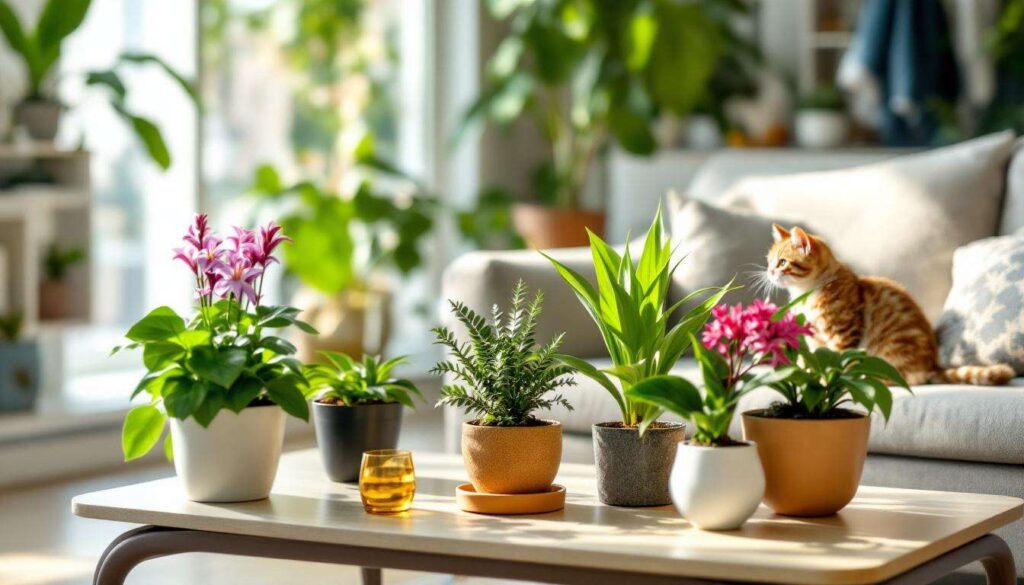
Houseplants have become an essential element of modern home décor, bringing life and colour to our living spaces. However, for cat owners, this innocent hobby can quickly turn into a nightmare. Many popular houseplants contain compounds that are highly toxic to felines, and even a small nibble can result in severe health complications or death. Understanding which plants pose a risk is not merely a matter of precaution—it is a responsibility that every cat owner must take seriously to ensure their pet’s wellbeing.
The dangers of houseplants for cats
Why cats are particularly vulnerable to plant toxins
Cats possess a unique physiology that makes them especially susceptible to plant poisoning. Unlike dogs or humans, felines lack certain liver enzymes necessary to metabolise specific compounds found in plants. This deficiency means that even minimal exposure to toxic substances can lead to severe reactions. Additionally, cats are naturally curious creatures with a tendency to chew on leaves and stems, whether out of boredom, nutritional deficiency, or simple exploration.
The consequences of ingesting toxic plants vary depending on the species and the amount consumed. Some plants cause mild gastrointestinal upset, whilst others can trigger life-threatening conditions such as kidney failure, cardiac arrest, or neurological damage. The severity of symptoms often depends on factors including the cat’s size, age, and overall health status.
Common toxic compounds in houseplants
Several chemical compounds found in popular houseplants are responsible for poisoning incidents:
- Calcium oxalate crystals: present in pothos, philodendrons, and dieffenbachia, these microscopic needle-shaped crystals penetrate oral tissues, causing immediate pain and swelling
- Glycosides: found in lilies, these compounds interfere with cellular function and can cause rapid organ failure
- Saponins: contained in ZZ plants and yucca, these substances cause digestive irritation and can affect red blood cells
- Alkaloids: present in various ornamental plants, they affect the nervous system and can be fatal in sufficient quantities
Understanding these mechanisms helps explain why seemingly harmless plants can have such devastating effects on our feline companions. This knowledge becomes particularly important when selecting new additions to your indoor garden.
Common plants to ban for your cat’s safety
Lilies: the deadliest threat
All parts of true lilies—including petals, leaves, pollen, and even the water in the vase—are extremely toxic to cats. Ingestion of even the smallest amount can cause acute kidney failure within 24 to 72 hours. Easter lilies, tiger lilies, and Asiatic lilies are amongst the most dangerous varieties. Veterinary data indicates that thousands of cats require emergency treatment annually due to lily poisoning, with many cases proving fatal despite intensive care.
Popular toxic houseplants
| Plant Name | Toxic Parts | Primary Symptoms |
|---|---|---|
| Pothos | All parts | Oral irritation, vomiting, difficulty swallowing |
| ZZ Plant | All parts | Oral pain, excessive drooling, digestive upset |
| Dieffenbachia | Leaves and stems | Intense mouth pain, swelling, breathing difficulties |
| Philodendron | All parts | Mouth irritation, vomiting, decreased appetite |
| Sago Palm | All parts, especially seeds | Liver failure, seizures, death |
Other common culprits include aloe vera, which causes vomiting and lethargy, and jade plants, which affect coordination and heart rate. Even plants considered mildly toxic should be avoided, as repeated exposure can lead to chronic health issues. Recognising the symptoms of plant poisoning is essential for prompt intervention.
Recognising the signs of poisoning in cats
Immediate symptoms to watch for
The first signs of plant poisoning typically appear within minutes to hours after ingestion. Initial symptoms often include excessive drooling, pawing at the mouth, and visible distress. Cats may exhibit difficulty swallowing or produce unusual vocalizations due to oral pain. Physical examination may reveal swollen lips, tongue, or throat, along with redness or irritation around the mouth.
Progressive and severe symptoms
As toxins are absorbed into the bloodstream, more serious symptoms develop:
- Persistent vomiting or diarrhoea, sometimes containing blood
- Loss of appetite and refusal to drink water
- Lethargy, weakness, or difficulty walking
- Tremors, seizures, or abnormal behaviour
- Changes in urination patterns or complete absence of urination
- Rapid or irregular heartbeat
- Difficulty breathing or laboured respiration
Kidney failure symptoms, particularly following lily ingestion, may not become apparent until 12 to 24 hours after exposure. These include increased thirst initially, followed by decreased urination and eventual shutdown of kidney function. Time is critical in these cases, making immediate veterinary attention essential.
When to seek emergency care
Any suspected plant ingestion warrants immediate contact with a veterinarian, regardless of whether symptoms are present. If possible, identify the plant species and bring a sample to the clinic. Do not attempt home remedies or wait to see if symptoms develop, as delays can prove fatal. Early intervention significantly improves prognosis and can prevent irreversible organ damage. With this understanding of symptoms, the focus naturally shifts to prevention strategies.
How to protect your cat from toxic plants
Creating a cat-safe environment
The most effective protection is complete elimination of toxic plants from your home. Conduct a thorough audit of existing houseplants and remove any that pose a risk. Remember that cats are skilled climbers and jumpers, so placing plants on high shelves or hanging them from ceilings does not guarantee safety. Even fallen leaves or petals on the floor can be hazardous.
Practical prevention strategies
For households transitioning to cat-safe plants, consider these measures:
- Install physical barriers such as plant cages or terrariums to restrict access
- Apply cat-safe deterrent sprays with bitter tastes to discourage chewing
- Provide cat grass or catnip as safe alternatives to satisfy chewing instincts
- Ensure adequate mental stimulation through toys and interactive play to reduce plant-directed behaviour
- Keep windows and doors secure to prevent access to outdoor toxic plants
Educate all household members, including children and visitors, about the importance of keeping toxic plants away from cats. Bouquets and floral arrangements require particular attention, as cut flowers may contain lilies or other dangerous species. Always check the contents before accepting gifts. Having established these protective measures, selecting appropriate plants becomes the next priority.
Which houseplants are safe for cats
Verified non-toxic options
Numerous attractive houseplants pose no threat to feline health. Spider plants are exceptionally popular due to their air-purifying qualities and ease of care. They tolerate various light conditions and produce cascading foliage that adds visual interest. Boston ferns thrive in humid environments and create lush, green displays perfect for bathrooms or kitchens.
Colourful and decorative safe choices
African violets offer vibrant blooms in purple, pink, and white whilst remaining completely safe for cats. These compact plants suit windowsills and require minimal maintenance. Prayer plants feature striking leaf patterns with unique folding behaviour at night, providing both aesthetic appeal and entertainment. Christmas cacti bloom during winter months, adding seasonal colour without risk.
| Safe Plant | Light Requirements | Special Features |
|---|---|---|
| Spider Plant | Indirect light | Air purifying, easy propagation |
| Boston Fern | Indirect light | Humidity loving, lush appearance |
| Areca Palm | Bright indirect light | Tropical aesthetic, air cleaning |
| Money Tree | Moderate light | Braided trunk, symbolic meaning |
The polka dot plant provides colourful foliage in pink, red, or white speckles, thriving in low-light conditions ideal for beginners. Areca palms bring tropical elegance to larger spaces whilst maintaining complete safety. These options demonstrate that cat owners need not sacrifice style for security. Beyond individual safe species, exploring broader alternatives enhances home décor possibilities.
Safe plant alternatives to beautify your home
Strategic placement and design
Creating an attractive indoor garden with cat-safe plants requires thoughtful planning. Group plants with similar care requirements together to simplify maintenance whilst creating visual impact. Use varying heights and textures to add depth and interest. Hanging planters work well for trailing varieties like spider plants, drawing the eye upward and maximising space.
Combining aesthetics with functionality
Consider these design approaches:
- Create a dedicated plant corner with multiple safe species for dramatic effect
- Use decorative pots and planters that complement your interior design scheme
- Incorporate cat grass containers as both functional and decorative elements
- Install wall-mounted shelving to display smaller plants whilst keeping surfaces clear
- Choose plants with air-purifying properties to enhance environmental quality
Money trees serve as focal points with their distinctive braided trunks and symbolic associations with prosperity. Their architectural form suits modern interiors whilst remaining entirely harmless. For colour enthusiasts, combining African violets in various hues creates vibrant displays that change with seasonal blooms. Prayer plants add movement and pattern, particularly appealing in contemporary settings.
Maintaining a thriving cat-safe garden
Success with houseplants requires understanding individual care needs. Most safe options prefer indirect light and consistent moisture without waterlogging. Regular inspection for pests and disease prevents problems before they escalate. Rotate plants periodically to ensure even growth and prevent leaning towards light sources. Prune dead or damaged foliage promptly to maintain appearance and plant health.
Creating a beautiful, plant-filled home whilst ensuring feline safety is entirely achievable with proper knowledge and planning. By eliminating toxic species and embracing the wide variety of safe alternatives, cat owners can enjoy the benefits of indoor gardening without compromising their pet’s wellbeing. The key lies in education, vigilance, and thoughtful selection. A harmonious environment where both plants and cats thrive requires initial effort but rewards with lasting peace of mind and aesthetic satisfaction. Protecting your cat from plant-related hazards is a fundamental aspect of responsible pet ownership that prevents unnecessary suffering and avoids emergency veterinary visits.