



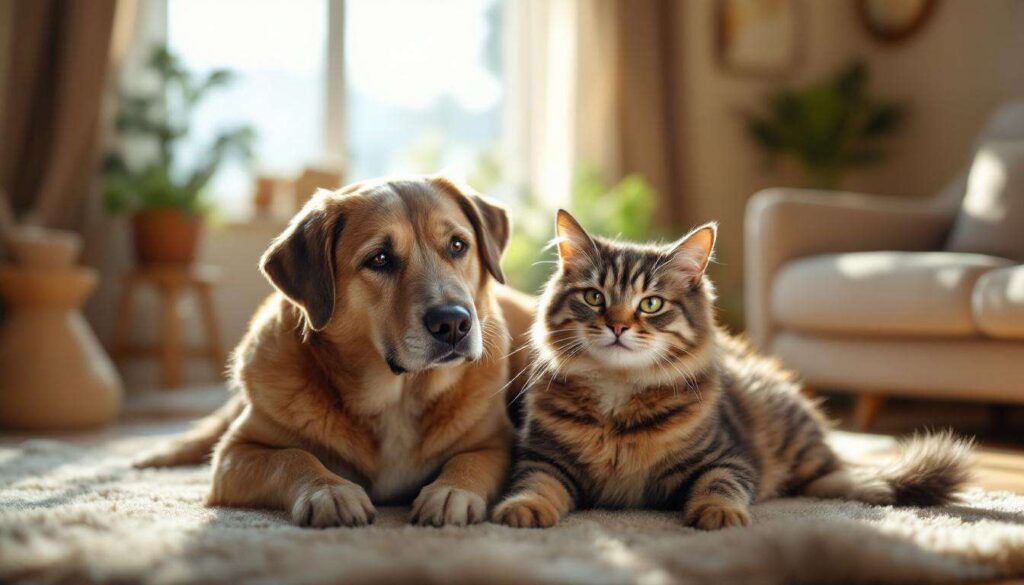
Watching our beloved companions grow older brings both joy and responsibility. As dogs and cats enter their senior years, their needs evolve significantly, requiring attentive care and thoughtful adjustments to maintain their quality of life. Recent studies indicate that pets now live on average up to 11.3 years, a testament to advances in veterinary medicine and improved understanding of geriatric care. Recognising the signs of ageing and responding appropriately can make a substantial difference in ensuring our furry friends enjoy their later years with comfort and dignity.
How to recognise ageing in your pet
Understanding age thresholds for different pets
The timing of when a pet enters their senior years varies considerably between species and, in the case of dogs, their size. Cats are generally considered senior from 10 years onwards, with veterinary professionals distinguishing between mature, senior, and super-senior life stages. Dogs, however, present a more complex picture due to the wide variation in breed sizes and their corresponding lifespans.
- Small dogs (under 9 kg): typically enter old age around 7 years
- Medium to large dogs: considered senior from approximately 6 years, including breeds such as Welsh Corgis and Golden Retrievers
Observable physical changes
As pets transition into their golden years, several telltale signs emerge that signal the ageing process. Changes in mobility often appear first, with animals moving more slowly and showing reluctance to jump onto furniture or climb stairs they once navigated effortlessly. The coat undergoes noticeable transformations, with greying particularly evident around the muzzle and a general loss of lustre and shine that characterised their younger years.
Dental issues frequently accompany advancing age, manifesting as bad breath and difficulty eating. These problems often stem from accumulated plaque, gum disease, or tooth decay that has developed over time. Pet owners may notice their companions taking longer to finish meals or showing preference for softer foods.
Understanding these indicators helps owners prepare for the necessary adaptations their pets will require as they continue to age.
Signs of health and healthy ageing
Distinguishing normal ageing from health concerns
Not all changes in senior pets indicate illness. Healthy ageing involves gradual, predictable shifts in behaviour and physical capability. A pet ageing well maintains a stable appetite, demonstrates consistent sleep patterns, and continues to engage with their environment, albeit at a slower pace. Their eyes remain bright and alert, and whilst they may tire more quickly, they still show interest in activities they previously enjoyed.
| Healthy Ageing Signs | Concerning Symptoms |
|---|---|
| Gradual slowing of movement | Sudden inability to walk or stand |
| Slight greying of fur | Significant hair loss or skin lesions |
| Preference for softer surfaces | Persistent limping or crying in pain |
| Mild decrease in activity | Complete withdrawal or lethargy |
Monitoring vital indicators
Regular observation of your pet’s daily habits provides invaluable insights into their overall health. Weight stability, consistent drinking habits, and normal elimination patterns all suggest healthy ageing. Conversely, dramatic weight loss or gain, excessive thirst, or changes in toilet habits warrant immediate veterinary attention.
Recognising what constitutes normal ageing versus pathological decline enables owners to implement supportive measures proactively.
Daily adjustments for well-being
Creating a comfortable living environment
The physical space our senior pets inhabit requires thoughtful modification to accommodate their changing abilities. Orthopaedic beds provide essential joint support, reducing pressure on arthritic limbs and ensuring restful sleep. Soft cushions strategically placed throughout the home offer comfortable resting spots, encouraging pets to settle without straining themselves.
- Install ramps or pet stairs to help access favourite furniture
- Place food and water bowls at elevated heights to reduce neck strain
- Ensure litter trays have low entry points for cats
- Remove obstacles and clutter to prevent trips and falls
- Provide non-slip mats on smooth flooring surfaces
Temperature and accessibility considerations
Senior pets often struggle to regulate body temperature effectively. Warm bedding becomes particularly important during colder months, whilst ensuring adequate ventilation prevents overheating in summer. Accessibility to outdoor spaces should be simplified, with clear pathways and minimal steps where possible.
These environmental modifications significantly enhance daily comfort and independence for ageing companions, setting the foundation for comprehensive health management.
Importance of regular veterinary visits
Establishing a preventive care schedule
Frequent health check-ups become increasingly crucial as pets age. Veterinarians recommend senior pets receive examinations at least twice annually, allowing early detection of developing conditions. These visits typically include comprehensive physical assessments, blood work to monitor organ function, and dental evaluations.
During these appointments, veterinary professionals can identify subtle changes that owners might overlook. Early intervention often proves far more effective and less costly than treating advanced disease states. Conditions such as kidney disease, diabetes, and heart problems frequently develop in senior pets but remain manageable when caught early.
Building a collaborative relationship with your veterinarian
Maintaining detailed records of your pet’s behaviour, appetite, and any observed changes helps veterinarians make informed assessments. Open communication about your pet’s quality of life, mobility challenges, and behavioural shifts enables tailored care plans that address specific needs.
This proactive approach to veterinary care directly influences dietary requirements, which must also adapt to support optimal health in later life.
Adapting diet to specific needs
Nutritional requirements for senior pets
As metabolism slows and activity levels decrease, caloric needs typically reduce in older pets. However, protein requirements often remain high or even increase to maintain muscle mass. Senior-specific diets are formulated to address these changing needs whilst supporting organ function and joint health.
- Higher quality, easily digestible proteins
- Reduced calorie density to prevent obesity
- Enhanced levels of omega-3 fatty acids for joint and cognitive support
- Increased fibre content to aid digestion
- Added antioxidants to support immune function
Supplements and dental health
Joint supplements containing glucosamine and chondroitin can significantly improve mobility and reduce discomfort associated with arthritis. Omega-3 supplements support cognitive function and reduce inflammation throughout the body. For pets with dental issues, specially formulated kibble or wet food options ensure adequate nutrition whilst minimising chewing difficulties.
Proper nutrition works in tandem with physical and mental stimulation to maintain overall vitality.
Encouraging physical and mental activity
Adapting exercise routines
Whilst senior pets require less intense activity, regular gentle exercise remains essential for maintaining muscle tone, joint flexibility, and cardiovascular health. Shorter, more frequent walks replace lengthy expeditions, allowing pets to enjoy outdoor stimulation without overexertion. Swimming provides excellent low-impact exercise for dogs with joint problems.
Mental stimulation strategies
Cognitive decline can affect ageing pets, making mental enrichment particularly important. Interactive toys, puzzle feeders, and scent games engage their minds and slow cognitive deterioration. Even simple activities like hiding treats around the house or teaching gentle new tricks provide valuable mental stimulation.
- Rotate toys regularly to maintain interest
- Introduce gentle play sessions several times daily
- Provide safe outdoor exploration opportunities
- Maintain social interactions with familiar people and animals
Balancing physical activity with mental engagement ensures senior pets remain alert, content, and connected to their environment.
Caring for ageing pets requires attentiveness, adaptability, and compassion. By recognising the signs of ageing, creating comfortable living spaces, maintaining regular veterinary care, adjusting diets appropriately, and providing suitable physical and mental stimulation, we can significantly enhance our senior companions’ quality of life. The advances in geriatric veterinary care offer numerous tools and strategies to support our beloved pets through their golden years, ensuring they remain happy, comfortable, and cherished members of our families for as long as possible.