



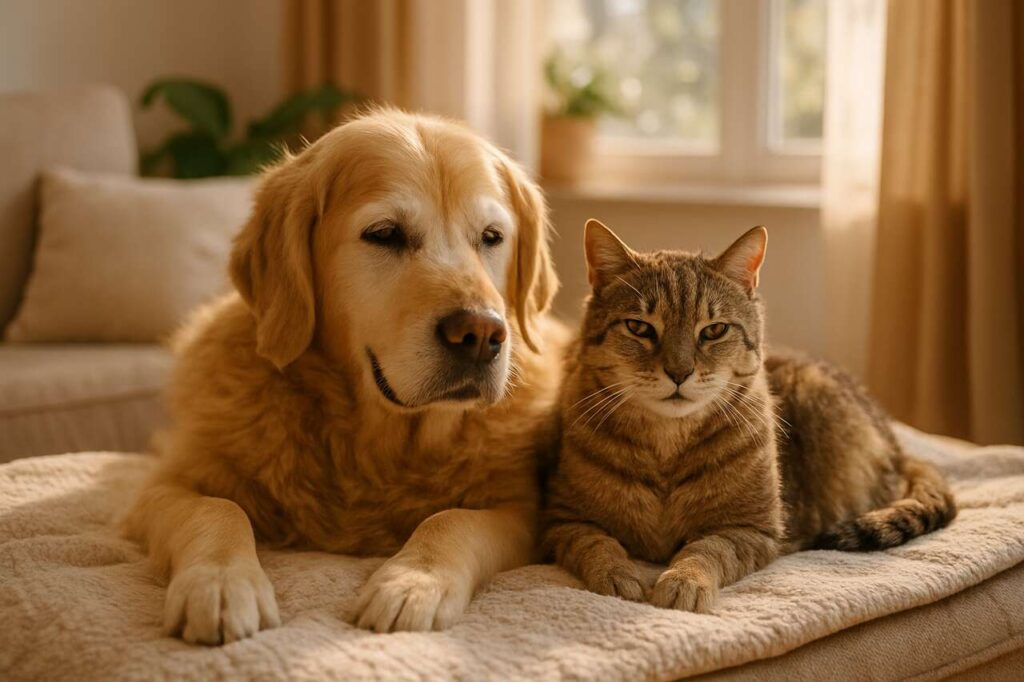
Watching your beloved companion slow down can be difficult, but ageing is a natural process that affects all living beings. As pet owners, we have the privilege and responsibility of ensuring our cats and dogs enjoy their golden years with dignity and comfort. Understanding the physical and emotional changes that come with age allows us to adapt our care routines and provide the support our senior pets need. With the right approach, we can significantly improve their quality of life and help them remain happy and healthy for as long as possible.
Recognising signs of ageing in pets
Physical indicators of advancing age
The first step in caring for an ageing pet is recognising when they transition into their senior years. Dogs and cats typically enter this phase around seven years of age, though this varies considerably depending on breed and size. Larger dog breeds tend to age more rapidly than smaller ones, whilst cats generally show signs of ageing more gradually.
Observable physical changes include:
- Greying fur around the muzzle, face, and paws
- Cloudy eyes or changes in eye colour
- Reduced mobility and stiffness, particularly after rest
- Weight fluctuations, either gain or loss
- Dental problems and bad breath
- Thinning coat or changes in skin condition
Behavioural shifts to monitor
Beyond physical symptoms, behavioural changes often signal the ageing process. Your pet may sleep more frequently, show less interest in play, or become more vocal. Some animals develop confusion or disorientation, particularly at night, which could indicate cognitive decline. Increased irritability or anxiety, especially in previously calm pets, warrants attention. House-training accidents may occur even in well-trained animals due to weakened bladder control or cognitive issues.
Understanding these signs enables you to respond appropriately and seek veterinary guidance when necessary, which naturally leads to considering how dietary adjustments can support your pet’s changing needs.
Adapting diet to support your ageing pet’s health
Nutritional requirements for senior pets
Senior animals require different nutritional profiles compared to their younger counterparts. As metabolism slows and activity levels decrease, calorie requirements often reduce to prevent obesity. However, protein needs may actually increase to maintain muscle mass and support organ function. High-quality, easily digestible proteins become essential as digestive efficiency declines.
| Nutrient | Young Adult Pets | Senior Pets |
|---|---|---|
| Calories | Higher | Reduced by 20-30% |
| Protein | Moderate | Higher quality, easily digestible |
| Fibre | Standard | Increased for digestive health |
| Omega-3 fatty acids | Standard | Increased for joint and cognitive support |
Supplements and special considerations
Many senior pets benefit from targeted supplementation. Glucosamine and chondroitin support joint health and can alleviate arthritis symptoms. Omega-3 fatty acids reduce inflammation and support brain function. Antioxidants such as vitamins C and E combat cellular damage associated with ageing. Probiotics promote digestive health, particularly important as gut function becomes less efficient.
Ensure fresh water is always available, as older pets are more susceptible to dehydration and kidney problems. Consider switching to wet food or adding water to dry food to increase moisture intake. Feeding smaller, more frequent meals can ease digestion and maintain stable energy levels throughout the day.
Whilst proper nutrition forms the foundation of senior pet care, maintaining appropriate physical activity remains equally crucial for their overall wellbeing.
The importance of exercise for senior dogs and cats
Tailoring activity levels appropriately
Exercise remains vital for senior pets, but the approach must adapt to their capabilities. For dogs, replace long, strenuous walks with shorter, more frequent outings. Gentle strolls allow them to explore and socialise without overtaxing joints or cardiovascular systems. Swimming provides excellent low-impact exercise that supports muscle tone without stressing arthritic joints.
Cats naturally reduce activity as they age, but encouraging gentle play sessions helps maintain mobility and mental stimulation. Interactive toys that don’t require jumping or intense movement work well. Laser pointers, feather wands moved slowly, and puzzle feeders engage their hunting instincts without excessive physical demand.
Benefits beyond physical fitness
Regular, appropriate exercise offers numerous advantages for ageing pets:
- Maintains healthy weight and reduces obesity-related complications
- Supports joint flexibility and reduces arthritis pain
- Improves cardiovascular health and circulation
- Provides mental stimulation and reduces cognitive decline
- Strengthens the bond between pet and owner
- Helps regulate sleep patterns
Always monitor your pet during exercise and stop if they show signs of fatigue, limping, or excessive panting. Consistency matters more than intensity for senior animals. These physical activities work hand-in-hand with professional medical oversight to ensure comprehensive care.
Preventive veterinary care for increased longevity
Increased examination frequency
Senior pets should visit the veterinarian at least twice annually rather than the standard once-yearly check-up. These examinations allow early detection of age-related conditions such as kidney disease, diabetes, heart problems, and cancer. Early intervention significantly improves treatment outcomes and quality of life.
Essential health screenings
Comprehensive senior wellness examinations typically include blood work to assess organ function, urinalysis to check kidney health and detect infections, and blood pressure monitoring. Dental examinations become increasingly important as periodontal disease affects a majority of older pets and can lead to systemic health problems if untreated.
Your veterinarian may recommend additional diagnostics such as X-rays to evaluate joint health or detect tumours, ultrasounds for internal organ assessment, or thyroid function tests, particularly for cats prone to hyperthyroidism. These proactive measures identify problems before they become severe, allowing timely treatment that can extend both lifespan and healthspan.
Medical care addresses internal health, but the physical environment where your pet lives also requires thoughtful modification to accommodate their changing abilities.
Adjusting the environment for optimal comfort
Accessibility modifications
Simple environmental changes dramatically improve daily life for senior pets. Install ramps or pet stairs to help them access favourite furniture or vehicles without jumping, which stresses arthritic joints. Place food and water bowls on raised platforms to reduce neck strain during eating and drinking. Ensure litter boxes have low sides for easy entry, or provide multiple boxes on different floors if your cat struggles with stairs.
Comfort enhancements
Invest in orthopaedic bedding that cushions aching joints and provides proper support. Memory foam beds distribute weight evenly and relieve pressure points. Position beds away from draughts and in warm areas, as older animals struggle to regulate body temperature. Non-slip mats on smooth floors prevent falls and give pets confidence when moving about.
For cats, ensure scratching posts are stable and positioned where they can use them without jumping. Consider heated beds during colder months, as senior pets feel the cold more acutely. Nightlights help pets with declining vision navigate safely after dark.
These physical accommodations address practical needs, but emotional and psychological support proves equally essential for senior pet wellbeing.
Promoting the emotional well-being of senior animals
Maintaining routine and security
Older pets find comfort in predictable routines and may become anxious when schedules change significantly. Maintain consistent feeding times, walk schedules, and bedtime routines. This predictability reduces stress and helps pets with cognitive decline feel more secure in their environment.
Continued social engagement
Despite reduced energy levels, senior pets still crave companionship and interaction. Spend quality time together through gentle grooming sessions, which also allow you to check for lumps or skin changes. Speak to your pet frequently in calm, reassuring tones. For social animals, carefully supervised interactions with gentle, familiar companions provide mental stimulation.
Introduce new experiences gradually and respect when your pet prefers rest over activity. Patience and understanding become paramount as cognitive function may decline. Some pets develop separation anxiety or become more clingy as they age, requiring extra reassurance and comfort.
Consider pheromone diffusers or calming supplements if your pet shows signs of anxiety. Music therapy, specifically compositions designed for animals, can create a soothing atmosphere. Most importantly, shower your senior companion with affection and appreciation for the years of joy they’ve provided.
Caring for an ageing pet requires dedication, observation, and adaptability. By recognising the signs of ageing, adjusting nutrition and exercise appropriately, maintaining regular veterinary care, modifying the home environment, and nurturing emotional bonds, we give our faithful companions the gift of comfortable, dignified senior years. These efforts not only extend their lives but ensure those additional years are filled with quality, comfort, and love.