



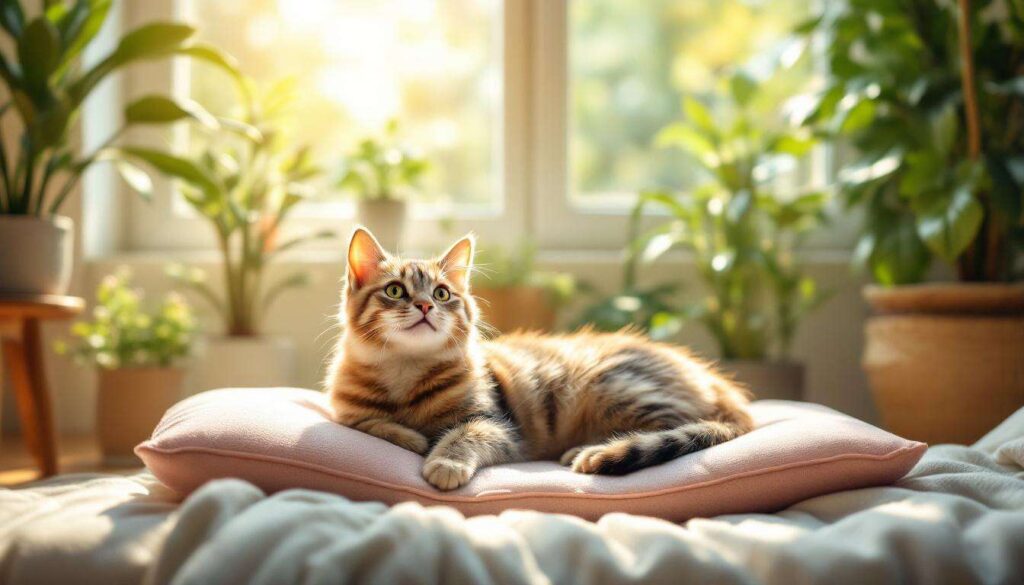
Cats have long been cherished companions, yet the transition from outdoor roaming to indoor living presents unique challenges for feline welfare. Whilst many cat owners lack access to gardens or outdoor spaces, this doesn’t preclude their pets from leading fulfilling, contented lives. The key lies in understanding feline instincts and adapting domestic environments to meet their intrinsic needs. With thoughtful planning and dedication, an indoor cat can thrive just as well as its outdoor counterpart, enjoying enrichment, exercise, and emotional wellbeing within the confines of a home.
Understanding the needs of an indoor cat
Natural instincts and behaviours
Indoor cats retain the same predatory instincts as their wild ancestors, despite generations of domestication. These instincts manifest through stalking, pouncing, and hunting behaviours that require regular outlets. Without appropriate stimulation, cats may develop behavioural problems such as aggression, excessive vocalisation, or destructive scratching.
Feline territorial behaviour remains another fundamental aspect of their psychology. Cats naturally patrol and mark their territory, requiring vertical and horizontal spaces to explore. Understanding these innate drives helps owners create environments that satisfy rather than suppress natural tendencies.
The importance of routine
Cats are creatures of habit, finding comfort in predictable daily patterns. Establishing consistent routines for feeding, play, and rest helps reduce anxiety and promotes emotional stability. A well-structured day provides the security indoor cats need to feel content within their limited territory.
| Daily activity | Recommended frequency | Duration |
|---|---|---|
| Interactive play | 2-3 sessions | 15-20 minutes each |
| Feeding times | 2-3 times | Consistent schedule |
| Grooming | Daily | 5-10 minutes |
Recognising these fundamental requirements forms the foundation for addressing the physical environment in which your cat lives.
Creating a comfortable space
Vertical territory and perching spots
Cats possess an inherent need to observe their surroundings from elevated positions. Vertical space is just as important as floor area, offering security and mental stimulation. Installing cat trees, wall-mounted shelves, or window perches allows cats to survey their domain whilst feeling safe from perceived threats.
These elevated areas serve multiple purposes:
- Providing escape routes when cats feel overwhelmed
- Creating additional territory within limited square footage
- Offering vantage points for observing outdoor activity
- Facilitating exercise through climbing and jumping
Safe retreats and resting areas
Every indoor cat requires quiet sanctuaries where they can retreat undisturbed. These spaces might include covered beds, cardboard boxes, or dedicated cat caves positioned in low-traffic areas. Multiple resting spots throughout the home allow cats to choose locations based on temperature, light levels, and social preferences.
Environmental temperature and lighting
Cats seek warmth naturally, often gravitating towards sunny spots or heated areas. Ensuring access to comfortable temperatures throughout the day contributes significantly to feline contentment. Similarly, natural light exposure helps regulate circadian rhythms, though curtains or blinds should allow cats to control their light exposure.
With the physical environment optimised, attention must turn to keeping your cat mentally and physically engaged.
Stimulating physical and mental activity
Interactive play sessions
Regular interactive play replicates hunting sequences, providing essential physical exercise and mental stimulation. Wand toys, feather teasers, and laser pointers encourage cats to stalk, chase, and pounce, satisfying predatory instincts. Sessions should conclude with a “catch” to prevent frustration, ideally followed by a small treat or meal to complete the hunt-eat-groom-sleep cycle.
Puzzle feeders and food-dispensing toys
Wild cats spend considerable time hunting for food, an activity entirely absent when meals appear in bowls. Puzzle feeders restore this natural foraging behaviour, slowing consumption whilst providing cognitive challenges. These devices range from simple ball feeders to complex puzzle boxes, catering to various skill levels.
Rotating toys and novelty
Cats quickly lose interest in constantly available toys. Rotating toys weekly maintains novelty and prevents boredom. A selection should include:
- Toys mimicking prey movements (mice, birds, insects)
- Textured items for batting and carrying
- Crinkly or noisy toys appealing to auditory senses
- Catnip or silvervine-infused items for sensory stimulation
Physical and mental engagement naturally connects to overall health considerations that indoor cat owners must monitor carefully.
Mindfulness on diet and health
Preventing obesity in sedentary cats
Indoor cats face significantly higher obesity risks than outdoor cats due to reduced activity levels. Maintaining appropriate body condition requires careful portion control and regular weight monitoring. Consulting veterinary feeding guidelines based on ideal weight rather than current weight prevents overfeeding.
Hydration and urinary health
Adequate water intake proves crucial for preventing urinary tract problems, particularly common in indoor cats. Strategies to encourage drinking include:
- Providing multiple water stations throughout the home
- Using ceramic or glass bowls rather than plastic
- Installing cat water fountains to appeal to preference for moving water
- Incorporating wet food into the diet for additional moisture
Regular veterinary care
Preventative healthcare remains essential even for cats without outdoor exposure. Annual check-ups detect early signs of common indoor cat conditions such as dental disease, diabetes, and arthritis. Maintaining vaccination schedules and parasite prevention protects against diseases that can enter homes through various means.
Beyond physical health, the social and emotional dimensions of feline wellbeing require equal attention.
Maintaining balanced social interaction
Quality time with human companions
Indoor cats depend heavily on human interaction for social fulfilment. Regular bonding activities strengthen the human-animal relationship whilst providing mental stimulation. These interactions might include grooming sessions, gentle play, or simply sharing quiet time together, respecting each cat’s individual sociability preferences.
Multi-cat household considerations
When multiple cats share indoor spaces, resource distribution becomes critical. The general rule suggests providing one more of each resource than the number of cats:
| Resource | Formula | Example (2 cats) |
|---|---|---|
| Litter trays | Number of cats + 1 | 3 trays |
| Food stations | Number of cats + 1 | 3 stations |
| Water bowls | Number of cats + 1 | 3 bowls |
Respecting feline independence
Whilst social interaction matters, cats also require solitude and autonomy. Forcing attention on unwilling cats creates stress rather than contentment. Learning to read feline body language helps owners recognise when cats seek interaction versus when they prefer independence.
These social considerations complement broader environmental strategies that enhance indoor living quality.
The benefits of environmental enrichment
Sensory stimulation
Enriching the indoor environment with varied sensory experiences prevents monotony and promotes natural behaviours. Window views provide visual stimulation through observing birds, weather changes, and passing activity. Audio enrichment might include nature sounds or specially composed music for cats, whilst safe plants like cat grass offer olfactory and tactile experiences.
Scratching opportunities
Scratching serves multiple functions including claw maintenance, territorial marking, and stretching. Providing appropriate scratching surfaces prevents furniture damage whilst meeting behavioural needs. Offer variety in:
- Materials: sisal, cardboard, carpet, wood
- Orientations: vertical posts, horizontal pads, angled boards
- Locations: near sleeping areas, entry points, and social spaces
Outdoor access alternatives
For cats showing interest in outdoor experiences, controlled alternatives can satisfy curiosity safely. Enclosed catios, window boxes, or supervised harness walks provide outdoor stimulation without the risks of free roaming. These options allow cats to experience fresh air, natural sounds, and varied textures whilst remaining secure.
Living indoors need not diminish a cat’s quality of life when owners commit to meeting feline needs comprehensively. By understanding natural behaviours, creating enriched environments, maintaining health vigilance, and providing appropriate social interaction, indoor cats can lead deeply satisfying lives. The absence of a garden becomes irrelevant when domestic spaces offer sufficient stimulation, comfort, and security. Through dedicated environmental enrichment and attentive care, indoor cats not only survive but genuinely thrive, enjoying longer, safer lives whilst maintaining the contentment and vitality that defines feline wellbeing.