



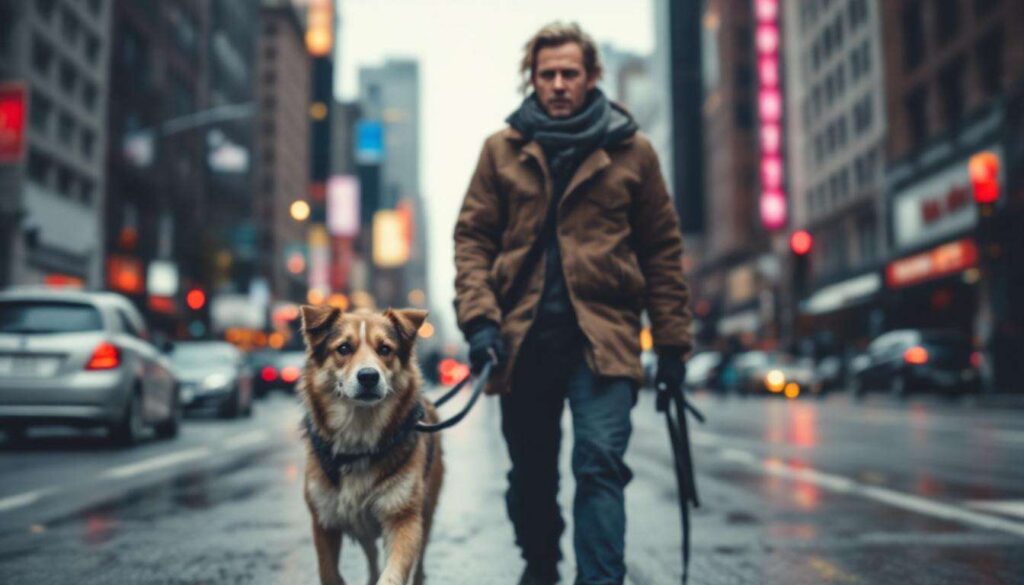
Walking a dog through city streets has become an increasingly anxious experience for many pet owners across the United Kingdom. What was once a simple daily routine now involves navigating broken glass, aggressive off-lead dogs, speeding cyclists, and hostile reactions from fellow residents. Urban environments that should accommodate all inhabitants have gradually transformed into spaces where pets and their owners feel unwelcome, unsafe, and marginalised. This growing tension between city living and pet ownership raises fundamental questions about how we design and manage our urban spaces.
The rise of urban dangers for pets
Traffic-related hazards and their impact
The exponential increase in vehicle traffic within residential areas has created a particularly dangerous environment for pets. Narrow pavements force dog walkers into roads where delivery vans, speeding cars, and cyclists compete for space. Many pet owners report near-miss incidents occurring with alarming frequency, transforming routine walks into stressful exercises in vigilance. The proliferation of electric vehicles, whilst environmentally beneficial, presents an additional challenge as their silent operation gives pets no auditory warning of approaching danger.
Anti-social behaviour and pet safety
Urban areas have witnessed a marked increase in anti-social behaviour that directly threatens pet safety. Reports of dogs being deliberately poisoned through tainted treats left in parks, aggressive confrontations between dog owners, and incidents of pets being kicked or harmed by intoxicated individuals have become disturbingly common. The following dangers now feature prominently in pet owner concerns:
- Discarded drug paraphernalia in public spaces that pets might ingest
- Broken bottles and sharp objects littering walkways
- Fireworks set off without warning in residential areas
- Aggressive dogs allowed to roam without proper supervision
- Theft of valuable dog breeds from gardens and during walks
These mounting dangers have fundamentally altered how pet owners interact with their neighbourhoods, with many restricting walks to daylight hours or avoiding certain areas entirely. The psychological toll on both owners and animals cannot be understated, as constant vigilance replaces the relaxation that walks should provide. Beyond immediate physical threats, the changing character of urban spaces itself contributes significantly to this hostile environment.
Environmental changes in cities
Urban densification and its consequences
The push towards higher-density housing has dramatically reduced the space available for pets to exercise safely. Tower blocks with minimal outdoor areas, converted warehouses without gardens, and infill developments that eliminate green corridors have created an urban landscape fundamentally unsuited to pet ownership. Many new residential developments prioritise human accommodation whilst treating pet-friendly features as afterthoughts or unnecessary luxuries.
Noise and air pollution effects
The sensory environment of modern cities has become increasingly hostile to animals with heightened senses. Constant construction noise, traffic pollution, and the cacophony of urban life create stress for pets that manifests in behavioural problems and health issues. Studies have demonstrated that prolonged exposure to urban pollution affects pets similarly to humans, with respiratory problems and anxiety disorders becoming more prevalent among city-dwelling animals.
| Environmental factor | Impact on pets | Frequency of occurrence |
|---|---|---|
| Construction noise | Anxiety and stress | Daily in most areas |
| Air pollution | Respiratory issues | Continuous exposure |
| Light pollution | Disrupted sleep patterns | Nightly in urban centres |
| Heat island effect | Overheating risk | Summer months |
These environmental stressors compound the physical dangers, creating a comprehensively challenging environment for pet ownership. The situation becomes particularly acute when considering the availability of suitable outdoor spaces.
When the lack of green spaces exacerbates tensions
Competition for limited park access
The scarcity of dedicated green spaces has intensified conflicts between different user groups. Dog owners, families with young children, joggers, and picnickers all compete for access to the same limited parks, creating friction and resentment. Many local authorities have responded by implementing increasingly restrictive policies that further marginalise pet owners, including blanket bans on dogs in certain parks or limiting access to specific hours.
The disappearance of informal exercise areas
Brownfield sites and informal green spaces that once provided valuable off-lead exercise areas have systematically disappeared under development pressure. These unofficial dog-walking spots, whilst not formally designated, served crucial functions in allowing pets adequate exercise and socialisation. Their loss has concentrated dog walking into fewer, more crowded official spaces, increasing the likelihood of conflicts and incidents. Pet owners now face the following challenges:
- Travelling significant distances to reach suitable walking areas
- Overcrowded dog parks where disease transmission increases
- Limited hours when dogs are permitted in remaining green spaces
- Inadequate facilities such as waste bins and water fountains
- Poorly maintained surfaces that cause injury to paws
This spatial squeeze has created a situation where responsible pet ownership becomes increasingly difficult to maintain, regardless of individual commitment. Addressing these challenges requires examining the role of those responsible for urban planning and management.
The responsibilities of municipalities
Planning failures and missed opportunities
Local councils have frequently failed to incorporate pet-friendly infrastructure into urban development plans. New housing estates lack designated dog exercise areas, planning permissions overlook the needs of pet owners, and regeneration projects eliminate existing informal spaces without providing alternatives. This systematic oversight reflects a broader failure to recognise pets as legitimate urban residents whose needs deserve consideration in planning processes.
Enforcement and maintenance issues
Even where regulations exist to protect pets and manage public spaces fairly, inadequate enforcement renders them ineffective. Dog control orders go unenforced, dangerous dogs roam freely, and public spaces deteriorate through lack of maintenance. Many municipalities have reduced funding for park wardens and enforcement officers, creating an environment where anti-social behaviour flourishes unchecked. The responsibility for creating liveable urban environments, however, does not rest solely with authorities.
The role of pet owners
Responsible ownership as a foundation
Pet owners themselves bear significant responsibility for the current situation. Failure to control dogs properly, not cleaning up after pets, and allowing aggressive animals in public spaces have all contributed to negative perceptions of pet ownership. These behaviours provide ammunition for those seeking to restrict pet access to public spaces and damage the reputation of responsible owners who follow rules conscientiously.
Community engagement and advocacy
Effective advocacy requires pet owners to engage constructively with local planning processes and community forums. Organised groups can present evidence-based arguments for pet-friendly infrastructure, participate in consultations, and demonstrate the benefits that responsible pet ownership brings to communities. The following actions can make a substantial difference:
- Attending council meetings to voice concerns about pet facilities
- Forming residents’ associations focused on pet-friendly neighbourhoods
- Volunteering for park maintenance and improvement projects
- Educating fellow pet owners about responsible behaviour
- Supporting local businesses that welcome pets
Collective action by pet owners, combined with individual responsibility, creates the foundation for meaningful change. Practical solutions exist that can transform urban environments into spaces where pets and people coexist harmoniously.
Solutions for a more pet-friendly urban environment
Infrastructure improvements and dedicated spaces
Creating purpose-built dog parks with appropriate facilities represents a crucial first step towards accommodation. These spaces should include secure fencing, separate areas for different dog sizes, waste disposal facilities, seating for owners, and water fountains. Investment in such infrastructure pays dividends through reduced conflicts, improved pet health, and enhanced community cohesion. Several forward-thinking councils have demonstrated that relatively modest investments yield substantial benefits.
Policy reforms and inclusive planning
Municipalities must adopt inclusive planning approaches that recognise pets as legitimate stakeholders in urban design. This includes mandatory consideration of pet needs in development applications, protection of existing green spaces, and creation of green corridors connecting neighbourhoods. Progressive policies might include requirements for pet facilities in new apartment buildings and incentives for businesses to become pet-friendly.
Education and community building
Addressing hostility towards pets requires sustained education campaigns that promote understanding between different community groups. Programmes teaching children about safe interaction with dogs, resources for new pet owners, and mediation services for neighbourhood disputes can all contribute to more harmonious coexistence. Building communities where pet ownership is respected rather than merely tolerated demands ongoing commitment from all stakeholders.
The transformation of cities into hostile environments for pets represents a failure of urban planning, community cohesion, and municipal responsibility. Addressing this crisis requires coordinated action from local authorities, pet owners, and communities. Investment in dedicated pet infrastructure, reform of planning policies to include animal welfare considerations, and promotion of responsible ownership can reverse current trends. The evidence demonstrates that pet-friendly cities benefit all residents through increased physical activity, enhanced mental wellbeing, and stronger community bonds. Creating urban environments where walking a dog is once again a pleasure rather than an ordeal demands recognition that pets are not optional extras but integral members of our communities deserving of consideration, respect, and appropriate accommodation within the spaces we all share.