



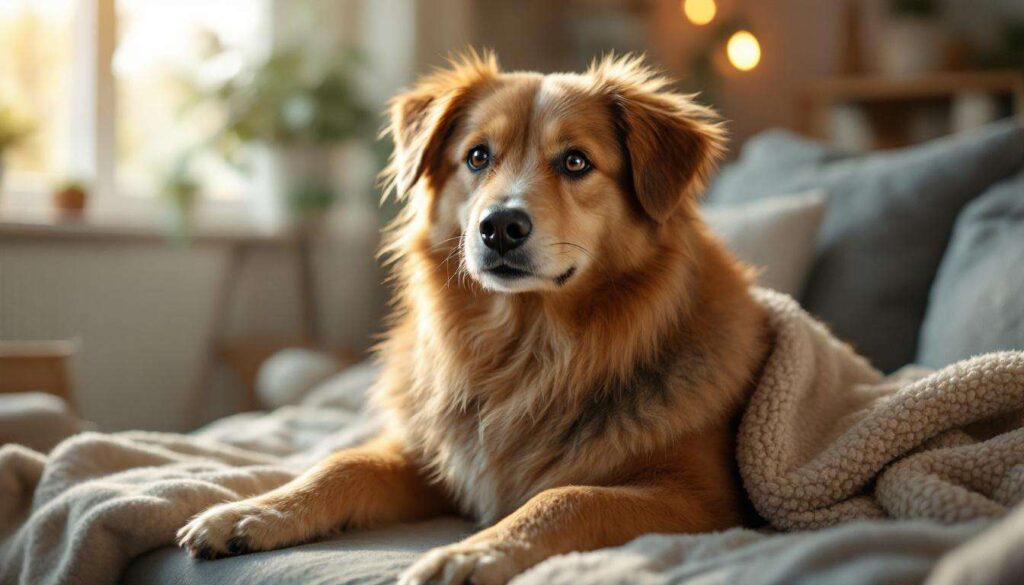
As temperatures drop and winter settles in, our canine companions feel the chill just as we do. Whilst dogs possess a natural fur coat, this doesn’t necessarily provide adequate protection against harsh weather conditions. Certain breeds, particularly those with short hair, small body mass, or those accustomed to warmer climates, are especially vulnerable to cold exposure. Recognising when your dog is uncomfortably cold is essential for preventing hypothermia and ensuring their wellbeing. Pet owners must remain vigilant and learn to identify the warning signs that indicate their four-legged friend needs warmth and shelter.
Shivering in dogs
The most obvious indicator of cold discomfort
Shivering represents the most visible and immediate sign that your dog is experiencing cold stress. Just as humans shiver to generate body heat through rapid muscle contractions, dogs exhibit this same involuntary response when their core temperature begins to drop. The trembling may start subtly, appearing as slight quivering in the legs or torso, before progressing to more pronounced whole-body shaking if the cold exposure continues.
When shivering becomes a concern
Not all shivering indicates cold exposure, which is why context matters significantly. Dogs may also tremble due to excitement, anxiety, or certain medical conditions. However, if you notice shivering occurring outdoors during cold weather or in chilly indoor environments, the cause is likely temperature-related. Persistent shivering that doesn’t subside once your dog returns to a warm environment warrants immediate attention, as it may signal the onset of hypothermia. Small breeds, puppies, senior dogs, and those with thin coats are particularly susceptible to cold-induced shivering and require extra monitoring during winter months.
Distinguishing cold shivering from other causes
To determine whether shivering stems from cold exposure, observe the circumstances and accompanying behaviours. Cold-related shivering typically occurs alongside other symptoms such as:
- Seeking warm spots or huddling near heat sources
- Reluctance to go outside or walk on cold surfaces
- Curling into a tight ball position
- Cold ears, paws, or tail
Understanding these physical responses helps you distinguish between temperature-related discomfort and other potential causes, enabling you to respond appropriately to your dog’s needs.
Body language: tell-tale signs
Postural changes indicating cold stress
Dogs communicate discomfort through distinct postural adjustments when experiencing cold. A chilled dog will often curl into a tight ball, tucking their tail close to their body and drawing their limbs inward to minimise exposed surface area. This instinctive position helps conserve body heat by reducing heat loss through extremities. You may also notice your dog hunching their back, lowering their head, or keeping their ears flattened against their skull.
Behavioural cues in cold conditions
Beyond physical posture, dogs display specific behavioural patterns when feeling cold. They may repeatedly lift their paws off cold ground, alternating between legs to minimise contact with freezing surfaces. This distinctive “dancing” movement indicates discomfort from cold pavement, snow, or frozen earth. Additionally, cold dogs frequently seek sheltered areas, positioning themselves away from drafts and wind exposure.
Facial expressions and ear position
Subtle facial changes can reveal your dog’s thermal discomfort. Watch for:
- Pinned-back ears held tight against the head
- Furrowed brow or tense facial muscles
- Tucked or lowered tail position
- Wide, anxious eyes or avoidance of eye contact
These body language signals, when observed in cold conditions, strongly suggest your dog requires warmth and protection from the elements. Recognising these changes in demeanour allows for timely intervention before more serious cold-related issues develop.
Behavioural changes and lethargy
Reduced activity levels and reluctance to move
When dogs become uncomfortably cold, their energy levels diminish noticeably. A typically active and playful dog may suddenly become reluctant to engage in normal activities, preferring instead to remain stationary in warm spots. This lethargy stems from the body’s efforts to conserve energy and maintain core temperature. You might observe your dog refusing to go for walks, showing hesitation at doorways, or displaying obvious reluctance to venture outdoors.
Changes in social interaction and responsiveness
Cold stress can alter your dog’s usual social behaviours. A normally sociable pet may become withdrawn or less responsive to commands and interaction attempts. This behavioural shift occurs because the dog’s focus has turned inward, concentrating on managing thermal discomfort rather than engaging with their environment. Some dogs may seek constant physical contact with their owners, pressing against them for warmth, whilst others might isolate themselves in quiet, enclosed spaces.
Unusual sleeping patterns and restlessness
Cold dogs often exhibit disrupted rest patterns. They may struggle to settle comfortably, frequently changing positions in search of warmer spots. Alternatively, some dogs sleep excessively as a conservation mechanism. Warning signs include:
- Difficulty settling down for rest
- Frequent position changes during sleep
- Seeking enclosed spaces like cupboards or under furniture
- Extended periods of inactivity beyond normal rest times
These behavioural modifications serve as important indicators that your dog’s environment requires adjustment to provide adequate thermal comfort. Monitoring these physiological responses provides further insight into your pet’s wellbeing during cold weather.
Body temperature and breathing rates
Normal versus abnormal temperature ranges
A dog’s normal body temperature ranges between 38.3°C and 39.2°C. When exposed to cold conditions, this temperature can drop, leading to hypothermia if left unaddressed. Mild hypothermia occurs when body temperature falls between 32°C and 37°C, whilst severe hypothermia involves temperatures below 32°C, constituting a medical emergency. You can check your dog’s temperature using a digital thermometer designed for pets, though this requires careful technique and patience.
Physical indicators of temperature changes
Without a thermometer, certain physical signs suggest abnormal body temperature. Cold ears, paws, and tail tips indicate peripheral cooling, as the body redirects blood flow to vital organs. The skin may feel cool to touch, and mucous membranes inside the mouth might appear pale or bluish rather than healthy pink. These symptoms warrant immediate warming measures and potentially veterinary consultation.
Respiratory changes in cold-stressed dogs
Breathing patterns alter when dogs experience cold stress. Initial exposure may cause slightly increased respiration as the body attempts to generate heat. However, as hypothermia progresses, breathing becomes shallow and slow. Observable respiratory changes include:
| Temperature Status | Breathing Pattern | Heart Rate |
|---|---|---|
| Normal | 10-30 breaths per minute | 60-140 beats per minute |
| Mild hypothermia | Slightly elevated or normal | Slightly decreased |
| Moderate to severe | Slow and shallow | Significantly decreased |
Monitoring these vital signs helps assess the severity of cold exposure and guides appropriate response measures. Armed with this knowledge, you can take proactive steps to protect your companion from cold-related health issues.
Tips for keeping your dog warm
Appropriate clothing and protective gear
Investing in quality dog clothing provides essential protection during cold weather. Dog coats, jumpers, and waterproof jackets help retain body heat, particularly for short-haired breeds, small dogs, and senior pets. Ensure garments fit properly without restricting movement or causing discomfort. For paw protection, consider dog boots to shield sensitive pads from ice, snow, and salt-treated surfaces that can cause injury and discomfort.
Indoor environmental adjustments
Creating a warm indoor environment is fundamental to your dog’s comfort. Position their bed away from drafts, doors, and windows. Provide thermal bedding, blankets, or heated pet mats to offer additional warmth during rest periods. Maintain consistent indoor heating, particularly overnight when temperatures drop significantly. Ensure your dog has access to cosy, enclosed spaces where they can retreat when feeling cold.
Outdoor activity modifications
Adjust exercise routines during cold weather to protect your dog from excessive exposure. Consider these practical modifications:
- Shorten walk durations during extremely cold conditions
- Schedule outdoor activities during warmer daylight hours
- Dry your dog thoroughly after exposure to rain or snow
- Avoid walking on salted pavements that can damage paw pads
- Increase indoor play and mental stimulation activities
Nutritional considerations for cold weather
Dogs may require increased caloric intake during winter months, as their bodies expend more energy maintaining body temperature. Consult your veterinarian about appropriate dietary adjustments, particularly for outdoor dogs or those spending considerable time in cold environments. Ensure constant access to fresh, unfrozen water, as hydration remains essential even in cold weather.
Recognising when to seek veterinary care
Certain situations require professional medical attention. Contact your veterinarian immediately if your dog displays:
- Severe or uncontrollable shivering
- Extreme lethargy or unresponsiveness
- Pale or blue-tinged gums
- Difficulty breathing or abnormally slow respiration
- Stiff muscles or difficulty walking
These symptoms may indicate hypothermia or other serious cold-related complications requiring urgent treatment.
Protecting your dog from cold weather involves vigilance, preparation, and prompt response to warning signs. By recognising shivering, observing body language changes, noting behavioural shifts, monitoring vital signs, and implementing appropriate warming strategies, you ensure your canine companion remains comfortable and healthy throughout the colder months. Every dog’s tolerance to cold varies based on breed, age, health status, and coat type, making individualised care essential. Remaining attentive to your pet’s unique needs and responding proactively to signs of discomfort will help you navigate winter safely together, strengthening the bond you share whilst safeguarding their wellbeing against the elements.