



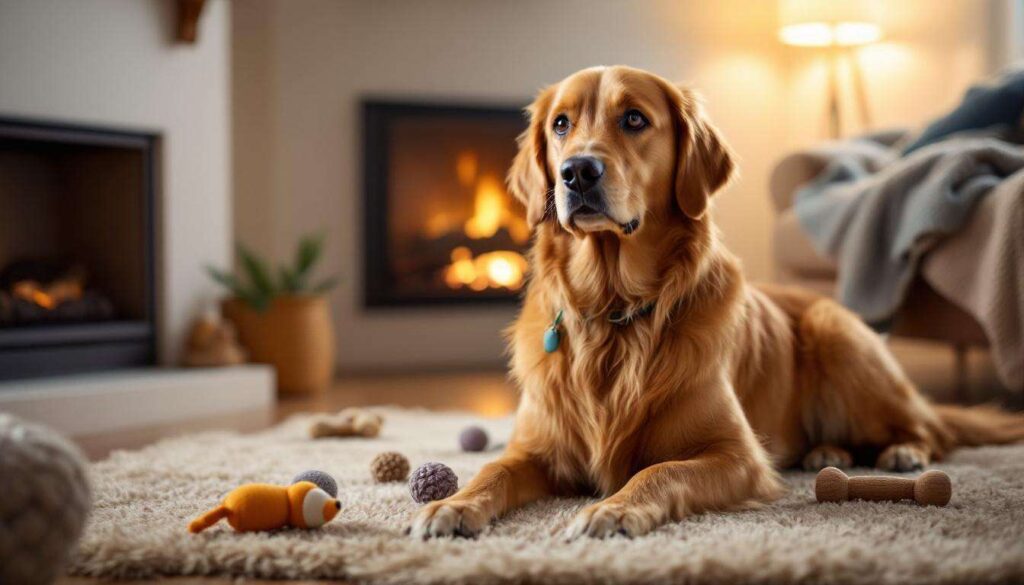
Dogs experience cold weather differently from humans, and recognising when your canine companion is uncomfortable can prevent serious health issues. With winter temperatures plummeting across the UK, pet owners must remain vigilant to the subtle and obvious signs that indicate their dog is struggling with the chill. Understanding these warning signals enables you to take prompt action, ensuring your pet remains comfortable, healthy and safe throughout the coldest months.
Symptoms of a cold dog
Physical indicators of discomfort
The most immediate and recognisable sign that your dog is cold is shivering or trembling. This involuntary response occurs when the body attempts to generate warmth through rapid muscle contractions. The intensity can vary from mild tremors to pronounced shaking that is impossible to ignore. If you notice your dog exhibiting this behaviour, it is time to bring them indoors or provide additional warmth.
Another clear physical sign is when your dog curls into a tight ball, tucking its paws beneath its body and wrapping its tail around itself. This posture minimises the surface area exposed to cold air, helping to conserve precious body heat. Dogs instinctively adopt this position when they feel chilly, much like humans might hug themselves for warmth.
Changes in extremities and breathing patterns
Pay close attention to your dog’s ears, paws and nose. When these extremities feel cold to the touch, it indicates that blood circulation has reduced in these areas as the body prioritises keeping vital organs warm. This physiological response is particularly noticeable in dogs with thin coats or minimal body fat.
Rapid or shallow breathing can also signal that your dog is struggling with the cold. As the body works harder to maintain core temperature, breathing patterns may change noticeably. This symptom should not be dismissed, particularly if accompanied by other warning signs.
Behavioural shifts and increased fatigue
A dog that suddenly shows reluctance to go outside or hesitates at the door during cold weather is communicating discomfort. This change in routine behaviour is significant, especially if your dog typically enjoys outdoor activities. Similarly, increased sleepiness or lethargy beyond normal rest periods can indicate that your pet is expending extra energy trying to stay warm.
- Whining or restlessness during the night
- Seeking warm spots around the house constantly
- Decreased activity levels during outdoor time
- More frequent urination due to increased kidney blood flow
These symptoms collectively paint a picture of a dog experiencing cold-related distress. Recognising them early allows you to intervene before the situation escalates, but understanding which dogs face the greatest risk is equally important.
Which dogs are most sensitive to the cold ?
Breed characteristics and coat type
Not all dogs are equally equipped to handle cold weather. Breed and coat type play crucial roles in determining cold tolerance. Dogs with short, thin or single-layer coats struggle significantly more than their thick-furred counterparts. Breeds originally developed for warm climates lack the natural insulation needed for freezing temperatures.
| Dog characteristic | Cold sensitivity level | Examples |
|---|---|---|
| Short or thin coat | High | Greyhounds, Whippets, Chihuahuas |
| Thick double coat | Low | Huskies, Malamutes, Saint Bernards |
| Small body size | High | Yorkshire Terriers, Toy breeds |
| Large body mass | Moderate to Low | Newfoundlands, Bernese Mountain Dogs |
Age and health considerations
Puppies and senior dogs require extra attention during cold weather. Puppies have not yet developed full temperature regulation capabilities, whilst older dogs may have weakened immune systems and reduced metabolic efficiency. Both groups are significantly more vulnerable to hypothermia and cold-related illnesses.
Dogs with pre-existing health conditions, particularly those affecting circulation, metabolism or immune function, face heightened risks. Conditions such as arthritis can worsen in cold weather, causing additional discomfort beyond the temperature itself.
Body composition factors
A dog’s size and body fat percentage directly influence its ability to retain heat. Smaller dogs have a higher surface area to volume ratio, meaning they lose heat more rapidly than larger breeds. Similarly, dogs with minimal body fat lack the insulation that helps maintain core temperature during extended cold exposure.
- Toy and small breeds lose heat fastest
- Lean, athletic dogs need extra protection
- Underweight or malnourished dogs are at severe risk
- Dogs recently groomed or clipped require additional warmth
Understanding your dog’s individual vulnerability helps you tailor protection strategies effectively, ensuring they receive appropriate care when temperatures drop.
How to protect your dog from the cold
Appropriate clothing and accessories
Investing in quality dog clothing is essential for vulnerable breeds. A well-fitted coat or sweater provides crucial insulation, particularly for dogs with thin fur. Choose garments that cover the chest and belly whilst allowing freedom of movement. Waterproof options are ideal for wet, cold conditions, preventing moisture from reducing the clothing’s insulating properties.
For dogs venturing onto icy pavements or salted roads, protective booties shield sensitive paw pads from cold surfaces and harmful chemicals. Whilst some dogs initially resist wearing boots, gradual introduction and positive reinforcement help them adapt.
Indoor comfort and sleeping arrangements
Your dog’s sleeping area requires special attention during winter months. Elevate beds off cold floors and position them away from draughty windows or doors. Memory foam beds offer superior support and insulation, maintaining warmth throughout the night. Layer soft blankets to create a cosy nest where your dog can burrow for additional comfort.
- Use thermal or self-heating pet mats
- Provide multiple blankets for burrowing
- Ensure sleeping areas are draught-free
- Consider heated pet beds for extremely cold homes
Nutritional adjustments and hydration
Dogs expend more energy maintaining body temperature in cold weather, potentially requiring slight increases in food portions. Consult your vet before making significant dietary changes, as individual needs vary based on activity levels and metabolism. Ensure fresh water remains available at all times, as proper hydration supports overall health and temperature regulation.
These protective measures create a comprehensive approach to winter care, but knowing when outdoor activities become unsafe is equally critical.
When walks become too cold for your dog
Temperature thresholds and wind chill factors
General guidelines suggest that temperatures below 7°C require caution for most dogs, whilst temperatures below 0°C pose serious risks, particularly for vulnerable breeds. However, wind chill dramatically affects these thresholds, making conditions feel significantly colder than the actual temperature indicates.
| Temperature range | Risk level | Recommended action |
|---|---|---|
| Above 7°C | Safe for most dogs | Normal walks with monitoring |
| 0°C to 7°C | Caution needed | Shorter walks, protective clothing |
| Below 0°C | Dangerous for vulnerable dogs | Brief toilet breaks only, full protection |
| Below -6°C | Life-threatening | Avoid outdoor exposure |
Adjusting walk duration and timing
Shorter, more frequent walks prove safer than extended outdoor sessions during extremely cold weather. Schedule walks during the warmest parts of the day, typically mid-morning or early afternoon when temperatures peak. Avoid early morning or late evening excursions when temperatures plummet.
Watch your dog closely during walks for any signs of discomfort. If they begin lifting paws repeatedly, shivering or attempting to turn back home, end the walk immediately. These signals indicate they have reached their cold tolerance limit.
Alternative exercise options
When outdoor conditions become unsafe, provide indoor activities to maintain your dog’s physical and mental stimulation. Interactive toys, indoor fetch games and training sessions offer excellent alternatives that keep your dog engaged without cold exposure.
Recognising when to curtail outdoor time protects your dog from harm, whilst understanding the behavioural changes cold weather triggers helps you respond appropriately to their needs.
Identifying behavioural changes related to the cold
Anxiety and stress indicators
Cold weather can trigger anxiety-related behaviours in dogs. Increased whining, particularly during night-time hours, often signals discomfort. Dogs may pace restlessly, unable to settle despite being tired. This nocturnal restlessness disrupts sleep patterns for both pet and owner, indicating that your dog cannot find adequate warmth.
Some dogs become clingy, following owners from room to room or seeking constant physical contact. This behaviour represents their instinct to share body heat and find comfort in your presence.
Changes in appetite and energy levels
A dog’s appetite may fluctuate during cold periods. Whilst some dogs eat more to fuel increased energy expenditure, others show reduced interest in food due to lethargy or discomfort. Monitor eating patterns carefully, as significant changes warrant veterinary attention.
- Decreased enthusiasm for favourite activities
- Reluctance to play or exercise
- Extended periods of sleeping or resting
- Reduced interaction with family members
Postural and movement alterations
Stiffness or difficulty moving can worsen in cold weather, particularly for dogs with arthritis or joint issues. You may notice your dog moving more slowly, struggling to stand after lying down, or showing reluctance to climb stairs. These changes indicate that the cold is affecting their comfort and mobility.
Understanding these behavioural shifts enables early intervention, preventing minor discomfort from escalating into serious health complications that cold weather can cause.
The risks of cold for dogs
Hypothermia and frostbite dangers
Hypothermia occurs when a dog’s body temperature drops below normal levels, typically below 37°C. This life-threatening condition progresses through stages, beginning with mild symptoms like shivering and lethargy, advancing to muscle stiffness and decreased heart rate, and potentially culminating in collapse or coma if untreated.
Frostbite affects extremities first, including ears, tail, paws and nose. Tissue damage occurs when blood flow to these areas decreases severely. Affected areas may appear pale, grey or blue, feeling cold and brittle to the touch. As circulation returns, the tissue may become red, swollen and painful.
Respiratory and immune system complications
Cold air can irritate respiratory passages, potentially triggering coughing, wheezing or breathing difficulties, particularly in dogs with pre-existing respiratory conditions. Prolonged cold exposure weakens the immune system, making dogs more susceptible to infections and illnesses.
| Cold-related condition | Warning signs | Urgency level |
|---|---|---|
| Mild hypothermia | Shivering, lethargy, weakness | Moderate – warm gradually |
| Severe hypothermia | Stiff muscles, slow breathing, collapse | Emergency – immediate vet care |
| Frostbite | Pale/grey skin, pain, blisters | Urgent – veterinary assessment needed |
Joint and muscle problems
Cold weather exacerbates arthritis and joint pain, reducing mobility and quality of life for affected dogs. Muscles become stiffer in low temperatures, increasing the risk of strains or injuries during physical activity. Senior dogs particularly suffer from these cold-induced complications.
Recognising these serious risks underscores the importance of vigilant monitoring and appropriate protective measures throughout winter months.
Keeping your dog safe and comfortable during cold weather requires attentiveness to physical symptoms, understanding individual vulnerability factors, and implementing appropriate protective measures. By recognising the eight key warning signs of cold distress, adjusting outdoor activities according to temperature conditions, and providing adequate warmth through clothing, bedding and environmental modifications, you ensure your canine companion remains healthy throughout winter. Should you observe persistent symptoms or signs of hypothermia or frostbite, seek immediate veterinary attention to prevent serious complications.