



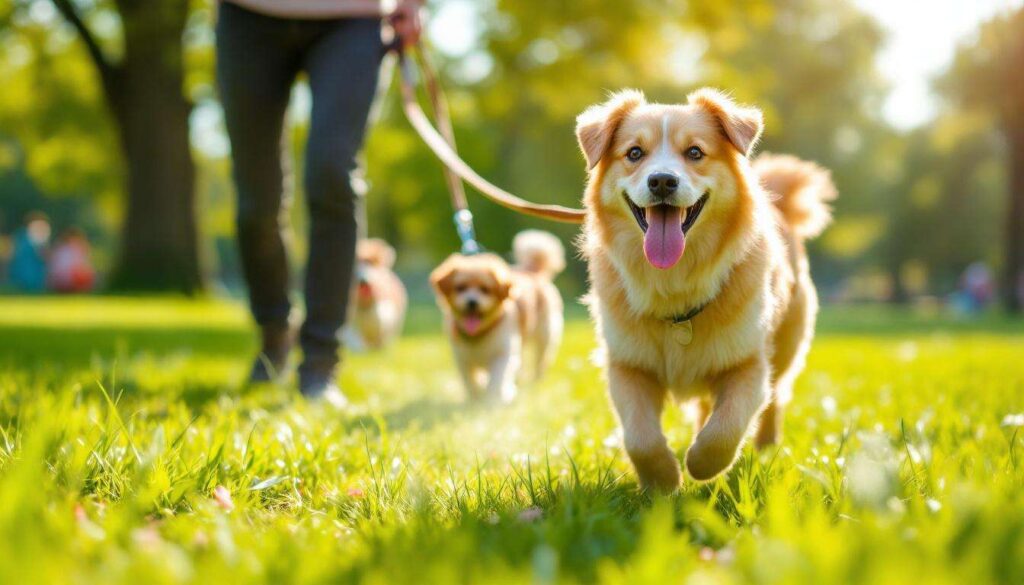
Every dog owner faces the question of how often they should be taking their furry companion outside for walks. The answer isn’t as straightforward as it might seem, as numerous variables come into play when determining the ideal walking schedule. Understanding these factors helps ensure your dog remains healthy, happy, and well-adjusted throughout their life.
Why is it important to walk your dog regularly ?
Regular walks form the cornerstone of responsible dog ownership and contribute significantly to your pet’s overall quality of life. The benefits extend far beyond simple exercise, touching upon physical, mental, and emotional aspects of canine wellbeing.
Physical health advantages
Walking provides essential cardiovascular exercise that keeps your dog’s heart, muscles, and joints in optimal condition. Regular physical activity helps maintain a healthy weight, reducing the risk of obesity-related conditions such as diabetes, arthritis, and heart disease. Dogs that walk regularly typically display:
- improved muscle tone and joint flexibility
- better digestive function and regular bowel movements
- enhanced cardiovascular endurance
- stronger immune system response
Mental stimulation and behavioural benefits
The sensory enrichment dogs experience during walks cannot be replicated indoors. Every outing offers opportunities to encounter new scents, sights, and sounds that keep their minds engaged. Dogs deprived of adequate mental stimulation often develop problematic behaviours including excessive barking, destructive chewing, and anxiety. Regular walks help prevent these issues by providing an outlet for natural curiosity and instinctive behaviours.
Strengthening the human-canine bond
Walks represent quality time spent together, reinforcing trust and communication between you and your dog. This shared activity builds confidence in anxious dogs and provides structured interaction that deepens your relationship. The routine also establishes you as a reliable provider of their needs, which is fundamental to a well-adjusted pet.
Understanding these benefits highlights why frequency and quality of walks matter, but determining the right amount depends on various individual circumstances.
What factors influence the number of walks needed ?
No single walking schedule suits every dog, as individual requirements vary considerably based on multiple factors. Tailoring your approach ensures your dog receives appropriate exercise without over-exertion or under-stimulation.
Breed characteristics and energy levels
Different breeds were developed for specific purposes, which directly impacts their exercise needs. Working breeds such as border collies, German shepherds, and huskies require substantially more activity than companion breeds like pugs or bulldogs. Consider these breed-based requirements:
| Breed type | Recommended daily walks | Total exercise time |
|---|---|---|
| High-energy working breeds | 3-4 walks | 90-120 minutes |
| Medium-energy breeds | 2-3 walks | 60-90 minutes |
| Low-energy companion breeds | 2 walks | 30-45 minutes |
Size and physical capabilities
A dog’s size influences their stride length, stamina, and physical limitations. Larger breeds may cover more ground effortlessly but can be prone to joint issues requiring moderation. Smaller dogs take more steps to cover the same distance and may tire more quickly, though many small terriers possess surprising endurance.
Health status and medical considerations
Dogs with medical conditions require customised exercise plans. Conditions affecting walking frequency include:
- arthritis or joint problems requiring shorter, more frequent outings
- heart conditions necessitating gentle, controlled exercise
- respiratory issues limiting intense activity
- obesity requiring gradual increase in activity levels
These individual factors provide the framework for understanding how age further refines walking requirements throughout a dog’s life.
Exercise needs according to the dog’s age
A dog’s age dramatically affects both the quantity and quality of exercise they require. Recognising these life-stage differences prevents injury and ensures appropriate physical development.
Puppies: building stamina gradually
Young puppies possess abundant energy but limited physical resilience. Their developing bones and joints are vulnerable to damage from excessive exercise. The general guideline suggests five minutes of exercise per month of age, twice daily. A four-month-old puppy would therefore benefit from two 20-minute walks daily. Puppies also require frequent toilet breaks, typically every two hours during house training.
Adult dogs: peak activity requirements
Dogs between one and seven years old generally require the most substantial exercise. Adult dogs typically thrive with a minimum of two walks daily, totalling 60 minutes or more depending on breed and energy level. Active breeds may require three walks plus additional play sessions to prevent boredom and destructive behaviour.
Senior dogs: adapting to changing needs
Older dogs benefit from continued exercise but at reduced intensity. Senior dogs often prefer shorter, more frequent walks that accommodate stiffness and reduced stamina. Three or four gentle 15-20 minute walks may suit them better than one long outing. Watch for signs of fatigue such as:
- lagging behind or stopping frequently
- excessive panting or difficulty breathing
- reluctance to continue walking
- limping or stiffness after exercise
Seasonal weather conditions add another layer of consideration that affects how you approach your dog’s walking routine throughout the year.
Walking your dog in winter: precautions to take
Cold weather presents unique challenges that require thoughtful preparation to keep your dog safe and comfortable during outdoor exercise.
Temperature considerations and duration
When temperatures drop significantly, shorter, more frequent walks often prove more comfortable than extended outings. Small dogs, puppies, seniors, and short-haired breeds feel the cold more acutely. Consider limiting walks to 15-20 minutes when temperatures fall below freezing, increasing frequency to maintain adequate exercise.
Protective measures for winter walks
Several practical steps enhance safety during cold-weather walks:
- dog coats or jumpers for breeds with thin coats or low body fat
- paw protection such as booties or paw balm to prevent ice and salt damage
- reflective gear or LED collars for visibility during darker winter evenings
- checking paws after walks to remove ice balls and harmful de-icing chemicals
Recognising signs of cold stress
Monitor your dog for hypothermia symptoms including shivering, lethargy, or lifting paws off the ground repeatedly. If your dog shows reluctance to continue, respect their signals and return home. Never force a dog to remain outside when they’re displaying discomfort.
Just as winter requires specific adaptations, summer heat demands equally important adjustments to protect your dog’s wellbeing.
How to adjust walks during summer ?
Hot weather poses serious risks to dogs, who regulate body temperature less efficiently than humans. Strategic planning prevents heat-related illnesses whilst maintaining necessary exercise.
Optimal timing for summer walks
Schedule walks during the coolest parts of the day, typically early morning before 8am or evening after 8pm. Midday heat can cause paw pad burns on hot pavement and increase heatstroke risk. Test pavement temperature with your hand: if it’s too hot for you to hold your palm there for seven seconds, it’s too hot for your dog’s paws.
Hydration and cooling strategies
Summer walks require additional precautions:
- carry fresh water and a portable bowl for frequent hydration breaks
- choose shaded routes through parks or tree-lined streets
- reduce walk duration and intensity during heatwaves
- consider cooling vests for breeds prone to overheating
Recognising heat exhaustion
Watch for warning signs including excessive panting, drooling, weakness, or disorientation. Brachycephalic breeds with flat faces face higher risk and require particular caution. If symptoms appear, move to shade immediately, offer water, and apply cool (not cold) water to their body.
When weather or circumstances make traditional walks impractical, alternative activities can still meet your dog’s exercise requirements.
Alternatives to walking to tire out your dog
Various circumstances may limit your ability to provide regular walks, but creative alternatives can supplement or temporarily replace outdoor exercise whilst maintaining your dog’s physical and mental health.
Indoor exercise options
When weather or time constraints prevent outdoor walks, indoor activities provide valuable alternatives. Interactive play sessions such as fetch in a hallway, tug-of-war, or hide-and-seek engage both body and mind. Indoor agility courses using household items create physical challenges, whilst puzzle toys and treat-dispensing balls provide mental stimulation that can be equally tiring.
Mental enrichment activities
Brain games often tire dogs as effectively as physical exercise. Consider these mentally stimulating options:
- scent work games hiding treats around the house
- training sessions teaching new commands or tricks
- puzzle feeders that make mealtimes challenging
- rotating toys to maintain novelty and interest
Social and structured activities
Dog daycare facilities offer supervised play with other dogs, providing both exercise and socialisation. Swimming provides low-impact exercise excellent for dogs with joint issues. Professional dog walkers can maintain routine when your schedule prevents regular walks.
These alternatives complement rather than completely replace walks, as outdoor exploration offers irreplaceable benefits for canine wellbeing.
Determining how many times daily to walk your dog requires balancing general guidelines with your individual dog’s needs. Whilst most dogs thrive with at least two walks daily, breed characteristics, age, health status, and seasonal conditions all influence the ideal frequency and duration. Pay attention to your dog’s signals, adjust routines as circumstances change, and remember that quality matters as much as quantity. Whether through traditional walks or creative alternatives, consistent exercise remains fundamental to raising a healthy, well-adjusted companion.