
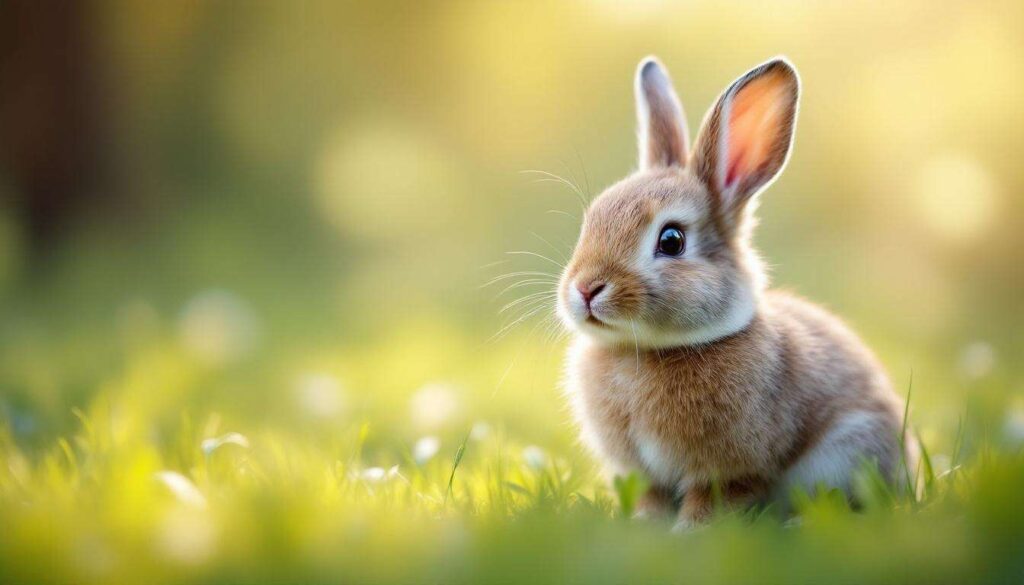
Dwarf rabbits have become increasingly popular companion animals, captivating households with their compact size and endearing personalities. Prospective owners and current rabbit enthusiasts frequently enquire about the lifespan of these small mammals, seeking to understand the commitment involved in caring for these creatures. Understanding life expectancy helps potential owners prepare for the long-term responsibilities whilst enabling current owners to provide optimal care throughout their pet’s lifetime. The longevity of dwarf rabbits depends on numerous interconnected factors, ranging from genetics to environmental conditions, all of which play crucial roles in determining how many years these animals will share with their human companions.
Life expectancy of a dwarf rabbit
Average lifespan ranges
Dwarf rabbits typically live between eight and twelve years when provided with appropriate care and living conditions. This lifespan represents a significant commitment compared to smaller rodents, positioning dwarf rabbits as medium-term companion animals. Some exceptionally well-cared-for individuals have been documented living beyond fourteen years, though such cases remain relatively uncommon. The specific breed variation influences these figures considerably, with certain dwarf varieties demonstrating greater longevity than others.
Comparison with standard rabbit breeds
When compared to their larger counterparts, dwarf rabbits generally exhibit similar or slightly shorter lifespans. Standard-sized domestic rabbits frequently live between eight and twelve years as well, though larger breeds sometimes experience reduced longevity due to increased strain on their cardiovascular systems. The following table illustrates comparative lifespans across different rabbit categories:
| Rabbit type | Average lifespan | Maximum recorded |
|---|---|---|
| Dwarf breeds | 8-12 years | 14-16 years |
| Medium breeds | 8-12 years | 13-15 years |
| Giant breeds | 5-8 years | 10-12 years |
These longevity statistics underscore the importance of understanding which factors contribute to extended lifespans and how owners can actively influence their rabbit’s health trajectory.
Factors influencing the lifespan of dwarf rabbits
Genetic predisposition and breeding
Genetics play a fundamental role in determining how long a dwarf rabbit will live. Rabbits obtained from reputable breeders who prioritise health over extreme physical characteristics typically demonstrate greater longevity. Conversely, rabbits bred for exaggerated dwarf features sometimes inherit genetic complications that compromise their lifespan. Responsible breeding practices that avoid excessive inbreeding help maintain robust genetic diversity, reducing the prevalence of hereditary conditions.
Environmental conditions
The living environment significantly impacts a dwarf rabbit’s health and longevity. Key environmental considerations include:
- Temperature regulation: rabbits thrive in moderate temperatures between 15-21°C
- Space availability: adequate room for exercise prevents obesity and related complications
- Cleanliness: regular habitat maintenance reduces disease transmission
- Stress reduction: calm environments with minimal disturbances promote wellbeing
- Social interaction: appropriate companionship prevents psychological decline
Quality of veterinary care
Access to experienced exotic veterinarians substantially influences lifespan outcomes. Regular health examinations enable early detection of common rabbit ailments, whilst prompt treatment of emerging conditions prevents minor issues from becoming life-threatening. Rabbits receiving consistent veterinary attention throughout their lives demonstrate markedly improved survival rates compared to those with sporadic or absent medical care.
Understanding these influential factors provides the foundation for implementing practical care strategies that maximise longevity.
Essential care to prolong your dwarf rabbit’s life
Housing requirements
Appropriate housing forms the cornerstone of long-term rabbit health. Dwarf rabbits require enclosures measuring at minimum 120cm by 60cm, though larger spaces prove beneficial. The housing should include separate areas for sleeping, feeding and toileting, with solid flooring to prevent foot injuries. Indoor housing generally provides better environmental control than outdoor arrangements, protecting rabbits from temperature extremes and predators.
Exercise and enrichment
Daily exercise remains non-negotiable for maintaining optimal health. Dwarf rabbits should receive at least three to four hours of supervised freedom outside their enclosure each day. Physical activity prevents obesity, maintains cardiovascular health and supports digestive function. Enrichment activities include:
- Tunnels and hiding spaces for natural burrowing behaviours
- Safe chewing materials to maintain dental health
- Platforms and ramps for climbing exercise
- Puzzle feeders that stimulate mental engagement
- Rotating toys to prevent boredom
Grooming and hygiene
Regular grooming prevents numerous health complications. Weekly brushing removes loose fur, reducing the risk of gastrointestinal blockages from ingested hair. Nail trimming every four to six weeks prevents overgrowth that can cause mobility issues. Checking ears, eyes and teeth during grooming sessions enables early identification of potential problems.
These foundational care practices work synergistically with vigilant health monitoring to ensure rabbits age gracefully.
Signs of ageing in dwarf rabbits
Physical changes
As dwarf rabbits enter their senior years, typically around five to six years of age, observable physical changes emerge. Fur may become coarser or develop grey patches, particularly around the face and ears. Weight fluctuations become more common, with some rabbits losing muscle mass whilst others develop age-related obesity. Mobility decreases gradually, with older rabbits showing less inclination for vigorous jumping or running.
Behavioural modifications
Senior dwarf rabbits often exhibit altered behaviour patterns. Sleep duration typically increases, with older rabbits spending more time resting than their younger counterparts. Social interactions may change, with some rabbits becoming more affectionate whilst others prefer increased solitude. Cognitive changes occasionally manifest as confusion or altered routines.
Health considerations in senior rabbits
Ageing rabbits face increased vulnerability to various conditions. Arthritis frequently develops, causing stiffness and reluctance to move. Dental problems become more prevalent, requiring closer monitoring. Sensory decline affects both vision and hearing, necessitating environmental adjustments to prevent accidents. Regular veterinary assessments become increasingly important during these years to maintain quality of life.
Recognising these age-related changes enables owners to adapt care routines whilst remaining vigilant for signs of preventable diseases.
Preventing common diseases in dwarf rabbits
Gastrointestinal stasis
Gastrointestinal stasis represents one of the most serious threats to rabbit health. This condition occurs when the digestive system slows or stops functioning, potentially proving fatal within hours. Prevention strategies include ensuring constant access to high-quality hay, maintaining proper hydration and monitoring faecal output daily. Early warning signs include reduced appetite, smaller droppings and lethargy.
Dental disease
Rabbit teeth grow continuously throughout life, making dental health paramount. Malocclusion, where teeth fail to align properly, causes pain and prevents normal eating. Prevention involves:
- Providing unlimited grass hay for natural tooth wear
- Offering appropriate chewing materials
- Scheduling regular dental examinations
- Avoiding excessive pellet consumption
- Monitoring eating habits for changes
Respiratory infections
Dwarf rabbits remain susceptible to respiratory conditions, particularly when housed in poorly ventilated or damp environments. Symptoms include nasal discharge, sneezing and laboured breathing. Maintaining optimal environmental conditions and minimising stress exposure reduces infection risk considerably.
Disease prevention strategies prove most effective when combined with nutritional excellence tailored to rabbit physiology.
The importance of a suitable diet for longevity
Hay as the dietary foundation
High-quality grass hay should constitute 80-90% of a dwarf rabbit’s diet. Timothy hay, meadow hay or orchard grass provide essential fibre for digestive health and natural tooth wear. Hay should be available continuously, with fresh supplies replenished daily. The quality and variety of hay directly correlates with digestive efficiency and overall health outcomes.
Fresh vegetables and herbs
Daily portions of fresh vegetables supplement hay-based diets effectively. Appropriate vegetables include:
- Dark leafy greens such as romaine lettuce, kale and spring greens
- Herbs including parsley, coriander and basil
- Root vegetables like carrots in limited quantities
- Bell peppers and broccoli in moderate amounts
Vegetables should represent approximately 10-15% of daily intake, introduced gradually to prevent digestive upset.
Pellets and treats
Commercial pellets provide concentrated nutrition but should be carefully rationed. Adult dwarf rabbits require only one to two tablespoons of high-quality pellets daily. Treats should remain minimal, reserved for training or bonding purposes. Sugary fruits and processed treats contribute to obesity and dental problems when overfed.
Hydration requirements
Fresh water must be available constantly, changed daily to ensure cleanliness. Both bottles and bowls prove acceptable, though bowls encourage more natural drinking behaviour. Adequate hydration supports kidney function, digestive health and temperature regulation.
Dwarf rabbits represent a substantial commitment, with lifespans extending beyond a decade when provided with comprehensive care. Their longevity depends on multiple interconnected factors including genetics, environment, veterinary attention and daily husbandry practices. Owners who invest in appropriate housing, regular exercise, preventative healthcare and species-appropriate nutrition significantly enhance their rabbit’s quality and duration of life. Recognising age-related changes enables timely adjustments to care routines, whilst vigilance regarding common diseases prevents many life-threatening conditions. The rewards of sharing years with these intelligent, affectionate creatures justify the dedication required to meet their complex needs throughout their entire lifespan.