



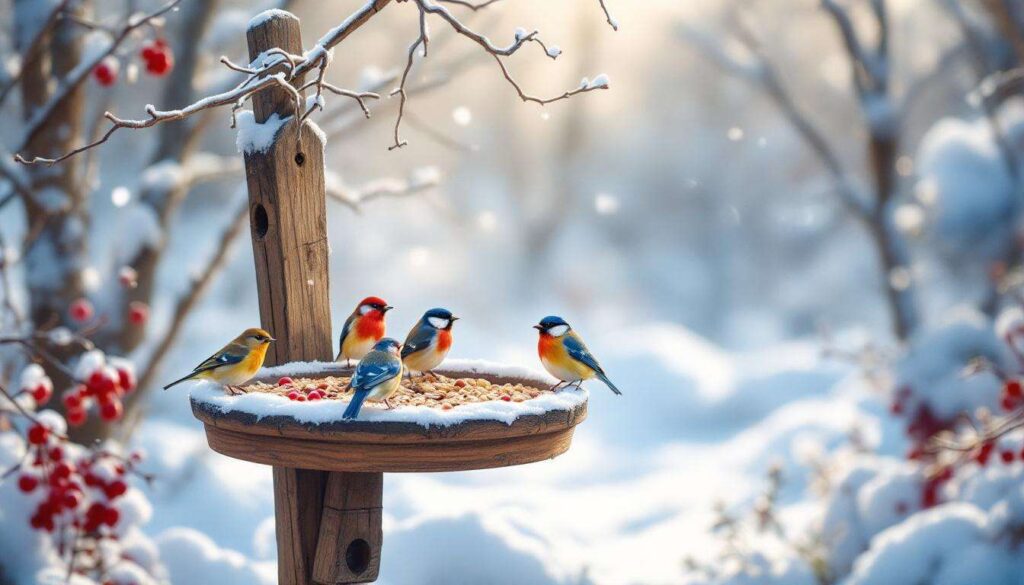
As temperatures plummet and frost blankets the landscape, garden birds face their greatest survival challenge. Each winter night can prove fatal for small birds struggling to maintain their body temperature whilst food sources dwindle. Understanding which foods genuinely help these vulnerable creatures survive the harshest conditions becomes essential for anyone wishing to support local wildlife through the coldest months.
Why birds suffer from the cold in winter
The physiological challenges of maintaining body heat
Birds possess remarkably high metabolic rates compared to mammals, with body temperatures typically ranging between 40 and 42 degrees Celsius. This elevated temperature requires constant energy expenditure, particularly when ambient temperatures drop significantly. Small birds face an especially difficult predicament due to their high surface area to volume ratio, which causes rapid heat loss during freezing nights.
During winter, birds must balance their energy budget carefully. They burn through fat reserves accumulated during daylight hours to survive the long, cold nights. A single winter night can deplete up to 10% of a small bird’s body weight, making the following day’s feeding absolutely critical for survival.
Environmental factors compounding the problem
Winter presents multiple challenges beyond simple temperature drops:
- Reduced daylight hours limit feeding time to approximately eight hours or less
- Natural food sources such as insects, seeds and berries become scarce or inaccessible beneath snow and ice
- Frozen ground prevents access to soil invertebrates
- Water sources freeze, creating dehydration risks alongside nutritional challenges
- Harsh weather conditions increase energy expenditure for flight and foraging
Species most vulnerable to winter conditions
Certain bird species face greater risks during severe winter weather. Wrens, goldcrests and long-tailed tits rank amongst the most vulnerable due to their diminutive size. These species can lose entire populations during particularly harsh winters. Robins, despite their hardy reputation, also struggle when temperatures remain below freezing for extended periods.
Understanding these physiological and environmental challenges highlights why appropriate supplementary feeding becomes crucial, particularly when considering which foods deliver maximum benefit for energy retention and warmth generation.
The crucial role of diet for birds’ warmth
How different nutrients affect thermoregulation
Not all bird foods provide equal benefits for winter survival. The nutritional composition of food directly impacts a bird’s ability to generate and maintain body heat. Fat provides more than twice the energy per gramme compared to carbohydrates or proteins, making it the most efficient fuel source for thermogenesis.
| Nutrient Type | Energy per Gramme | Primary Benefit |
|---|---|---|
| Fat | 9 kcal | Long-lasting warmth and energy reserves |
| Carbohydrates | 4 kcal | Quick energy boost |
| Protein | 4 kcal | Tissue maintenance and repair |
The metabolic demands of cold weather survival
During winter nights, birds enter a state of regulated hypothermia to conserve energy, lowering their body temperature by several degrees. However, this strategy only works if they possess sufficient fat reserves accumulated during the previous day. Birds require high-energy foods that can be quickly converted to fat stores before nightfall.
Research demonstrates that birds fed high-fat diets during winter maintain better body condition and exhibit significantly higher survival rates compared to those relying on lower-energy food sources. This metabolic reality underscores the importance of offering specific food types rather than simply any available option.
With this understanding of nutritional requirements and metabolic processes, identifying which specific food delivers optimal benefits becomes the next crucial consideration for effective winter bird feeding.
Identifying the food that makes the difference
Suet: the ultimate winter survival food
Suet stands as the single most beneficial food for helping birds survive winter. This hard fat derived from around animal kidneys provides an exceptionally concentrated energy source that birds can metabolise efficiently. Pure beef suet contains approximately 900 calories per 100 grammes, offering unmatched energy density amongst commonly available bird foods.
Suet’s molecular structure allows birds to digest and convert it rapidly into usable energy and storable fat reserves. Unlike seeds, which require significant energy expenditure for digestion, suet provides immediate benefits whilst building crucial overnight reserves.
Why suet outperforms other winter foods
Comparing suet to alternative winter bird foods reveals its superiority:
- Sunflower seeds: contain approximately 50% fat but require hull removal and more digestive effort
- Peanuts: offer good protein and fat but pose choking risks and potential aflatoxin contamination
- Mealworms: provide excellent protein but limited fat content for warmth generation
- Bread: delivers minimal nutritional value and can cause malnutrition when fed exclusively
- Kitchen scraps: variable nutritional content and may contain harmful salt or additives
Scientific evidence supporting suet feeding
Ornithological studies consistently demonstrate that birds with access to suet during winter exhibit improved survival rates. Research conducted by the British Trust for Ornithology found that gardens providing suet supported 30% higher bird populations during severe winter weather compared to those offering seed-only diets.
Suet also attracts a diverse range of species, from common garden visitors like blue tits and great tits to less frequent visitors such as woodpeckers and nuthatches, all of which benefit enormously from this concentrated energy source.
Having established suet as the optimal winter food, understanding the most effective methods for providing it ensures birds receive maximum benefit whilst avoiding potential pitfalls.
How to provide this food effectively
Choosing the right suet products
Modern bird feeding offers various suet presentation options, each with distinct advantages. Suet cakes or blocks provide the most straightforward option, typically measuring approximately 300 grammes and fitting standard cage feeders. These commercial products often incorporate seeds, insects or berries, adding variety whilst maintaining high fat content.
Pure suet can be purchased from butchers and rendered at home, offering a cost-effective alternative. Homemade suet mixtures allow customisation with preferred additions such as dried mealworms, oats or grated cheese, though maintaining at least 60% suet content ensures adequate energy provision.
Optimal feeding station setup
Strategic placement and appropriate equipment maximise suet feeding effectiveness:
- Position suet feeders in sheltered locations protected from prevailing winds and driving rain
- Use dedicated suet cages that prevent larger birds monopolising the resource
- Hang feeders at varying heights to accommodate different species’ preferences
- Maintain distance from windows to prevent collision injuries
- Ensure feeders remain accessible during snow accumulation
- Place feeders near natural cover allowing birds quick escape routes from predators
Timing and quantity considerations
Consistency proves vital when feeding birds through winter. Establishing a reliable food source encourages birds to incorporate your garden into their daily foraging route, potentially making the difference between survival and starvation during severe weather. Replenish suet feeders before they empty completely, particularly during cold snaps when demand increases dramatically.
A typical garden may require 2-3 suet cakes weekly during peak winter months, though consumption varies based on local bird populations and weather severity. Monitor feeder usage patterns and adjust provision accordingly.
Whilst providing suet effectively helps countless birds, certain common practices can inadvertently cause harm, making awareness of potential mistakes equally important.
Mistakes to avoid when feeding birds in winter
Dangerous food choices and contamination risks
Several well-intentioned feeding practices can prove detrimental or even fatal to birds. Never offer suet during warm weather, as it becomes rancid quickly and may coat feathers, compromising insulation. Similarly, avoid suet products containing artificial colours, excessive salt or chocolate, all of which pose serious health risks.
Mouldy or spoiled food presents significant dangers. Regularly inspect suet feeders and discard any food showing signs of deterioration. Aspergillosis, a potentially fatal respiratory disease, can develop from mould spores on contaminated food.
Hygiene and maintenance oversights
Poor feeder hygiene facilitates disease transmission amongst bird populations. Clean suet feeders thoroughly every two weeks using hot water and mild disinfectant, rinsing completely before refilling. This practice prevents bacterial and fungal growth that thrives in fat-rich environments.
Common maintenance mistakes include:
- Allowing droppings to accumulate beneath feeders, creating disease hotspots
- Neglecting to rotate feeding locations annually, preventing ground contamination build-up
- Failing to provide fresh water alongside food, forcing birds to consume snow for hydration
- Using damaged feeders with sharp edges that can injure birds
Creating dependency and disrupting natural behaviours
Whilst winter feeding provides crucial support, avoid feeding during spring and summer months when natural food sources abound. Year-round feeding can create unhealthy dependency and may lead parent birds to feed inappropriate foods to nestlings. Suet feeding should commence when temperatures consistently drop below 7 degrees Celsius and cease when spring arrives.
Individual efforts, though valuable, achieve far greater impact when combined with broader community participation in supporting winter bird populations.
The importance of collective action to help birds
Creating wildlife corridors through coordinated feeding
When multiple households within a neighbourhood provide suet and other appropriate foods, they establish an interconnected network of feeding stations. This distributed resource availability allows birds to move safely between locations, reducing territorial conflicts and ensuring vulnerable individuals access adequate nutrition even when dominant birds monopolise individual feeders.
Coordinated feeding efforts effectively create wildlife corridors through urban and suburban environments, dramatically improving survival prospects for entire local populations rather than merely supporting isolated individuals.
Community initiatives and citizen science
Participating in organised bird monitoring programmes amplifies individual contributions. The RSPB’s Big Garden Birdwatch and similar citizen science projects collect valuable data about population trends whilst raising awareness about winter feeding importance. These initiatives help researchers identify species most requiring support and evaluate conservation strategy effectiveness.
Local wildlife groups often coordinate community feeding schemes, bulk-purchasing suet and other supplies to reduce costs whilst ensuring consistent provision across wider areas.
Educational outreach and knowledge sharing
Sharing successful feeding strategies with neighbours, friends and through social media multiplies positive impacts. Many people remain unaware of suet’s superior benefits or proper winter feeding techniques. Simple conversations about effective practices can inspire others to participate, exponentially increasing the number of birds receiving life-saving support.
Schools and community centres provide excellent venues for promoting wildlife-friendly practices, fostering environmental stewardship amongst younger generations who will continue these vital efforts.
Supporting garden birds through winter requires understanding their physiological challenges, recognising suet as the optimal energy source, implementing effective feeding strategies, avoiding common pitfalls, and participating in collective action. These combined efforts transform individual gardens into crucial survival resources, ensuring vibrant bird populations endure even the harshest winter conditions. Every suet feeder installed and maintained represents a tangible contribution to wildlife conservation, offering vulnerable species the energy reserves essential for surviving freezing nights and greeting spring’s arrival.