



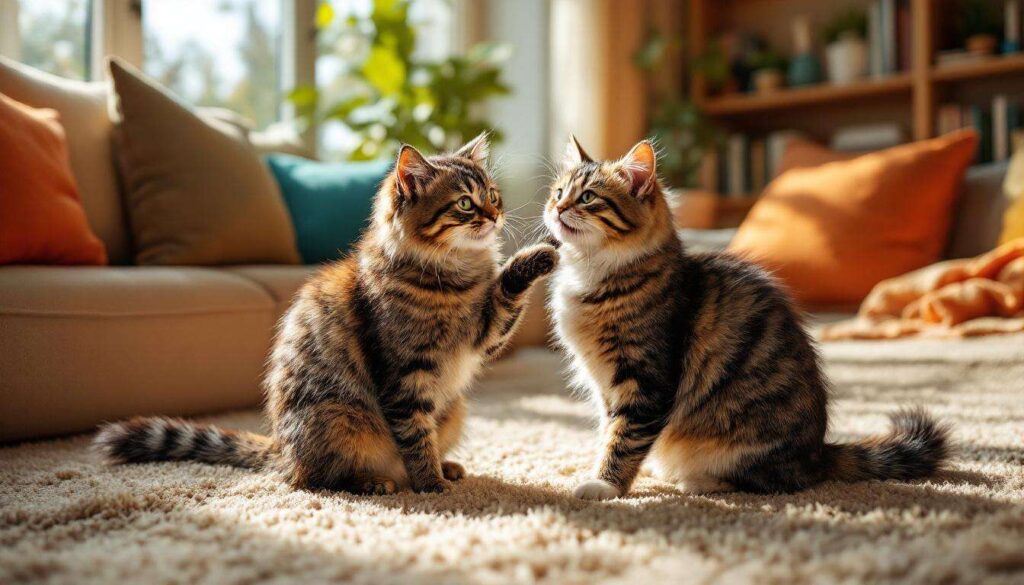
Living with multiple cats can bring immense joy, but it often comes with challenges when territorial disputes and personality clashes disrupt household harmony. Many cat owners find themselves navigating tense standoffs, sudden hisses, and occasional scuffles between their feline companions. Whilst some level of hierarchy establishment is natural, persistent aggression and stress can compromise the wellbeing of all cats involved. Understanding the underlying dynamics and implementing practical strategies can transform a battleground into a peaceful coexistence where each cat feels secure and content.
Understanding the causes of cat conflicts
Territorial instincts and resource competition
Cats are inherently territorial creatures, and conflicts often arise when they perceive their essential resources as threatened or insufficient. Competition over food, water, litter trays, and resting spots triggers defensive behaviours that escalate into aggression. In multi-cat households, the struggle for control over prime locations becomes particularly pronounced when cats feel their access to survival necessities is compromised.
The primary resources that spark territorial disputes include:
- Feeding stations positioned too close together
- Insufficient number of litter trays relative to cat population
- Limited elevated perches and hiding spaces
- Restricted access to windows and stimulating views
- Single water sources creating bottleneck situations
Social hierarchy and personality mismatches
Feline social structures are complex and fluid, with cats constantly negotiating their positions within the household hierarchy. Some cats naturally assume dominant roles whilst others prefer subordinate positions, but problems emerge when personalities clash or when a previously established order becomes disrupted. The introduction of a new cat, changes in household routine, or the maturation of younger cats can all destabilise existing relationships.
Recognising these fundamental triggers provides the foundation for addressing behavioural issues effectively and creating an environment where tensions can diminish naturally.
Organising space for harmony
The resource multiplication principle
The golden rule for multi-cat households involves providing one resource station per cat, plus one extra. This formula applies to all essential amenities and significantly reduces competition-based aggression. Strategic placement throughout the home ensures that no single cat can monopolise access or intimidate others away from necessary resources.
| Resource Type | Recommended Quantity | Placement Strategy |
|---|---|---|
| Litter trays | Number of cats + 1 | Different rooms, private locations |
| Food bowls | One per cat | Separate areas, visual barriers |
| Water stations | Multiple throughout home | Away from food and litter |
| Scratching posts | Minimum two per cat | High-traffic areas and territories |
Creating vertical territory and escape routes
Cats perceive space three-dimensionally, and vertical territory often proves more valuable than floor space. Installing cat trees, wall-mounted shelves, and elevated perches allows cats to establish separate territories without direct confrontation. Subordinate cats particularly benefit from high vantage points where they can observe their environment whilst feeling secure from potential threats below.
Equally important are clear escape routes that prevent cats from feeling cornered during tense encounters. Furniture arrangements should allow multiple pathways through rooms, ensuring that cats can retreat without facing their antagonist directly.
Learning to decode feline language
Distinguishing play from genuine aggression
Not all cat interactions signal conflict, and understanding the distinction between playful wrestling and serious fighting prevents unnecessary intervention. Play behaviour typically involves role reversal, soft paws without extended claws, and silence or quiet vocalisations. Genuine aggression features sustained attacks, piercing screams, defensive postures with flattened ears, and attempts to inflict injury.
Key indicators of play versus aggression include:
- Relaxed body language with loose, fluid movements during play
- Tense, rigid postures with piloerection during fights
- Brief pauses and mutual engagement in play sessions
- Continuous pursuit and defensive retreats in aggressive encounters
- Absence of injury or excessive grooming after play
Recognising stress signals before escalation
Early intervention becomes possible when owners recognise subtle stress indicators before conflicts erupt. Dilated pupils, tail lashing, and fixed staring signal mounting tension that may explode into violence. Cats also display displacement behaviours such as excessive grooming, reduced appetite, or elimination outside litter trays when experiencing chronic stress from household conflicts.
Understanding these communication nuances allows owners to implement calming strategies proactively rather than reacting to established aggression patterns.
Implementing play and relaxation rituals
Structured interactive play sessions
Regular, scheduled play sessions serve multiple functions in reducing household tensions. Interactive toys that mimic prey movements channel hunting instincts into appropriate outlets, reducing redirected aggression towards other cats. Separate play sessions for each cat ensure individual attention whilst preventing competition over toys and human interaction.
Effective play protocols should include:
- Two daily sessions of 10-15 minutes per cat
- Wand toys that maintain distance between human and cat
- Predictable timing to establish routine and security
- Cool-down periods with slow-moving toy before ending
- Small treat rewards to create positive associations
Environmental enrichment and calming techniques
Pheromone diffusers containing synthetic versions of feline facial pheromones create a calming atmosphere that reduces territorial anxiety. Positioned strategically near conflict zones and resource stations, these products help cats feel more secure in shared spaces. Additionally, puzzle feeders and food-dispensing toys provide mental stimulation that diminishes boredom-related aggression whilst slowing eating pace to reduce resource guarding.
Creating predictable routines around feeding, play, and quiet time establishes a sense of security that minimises stress-induced conflicts throughout the household.
Errors to avoid for maintaining balance
Punishment and forced interactions
Attempting to punish aggressive behaviour typically exacerbates conflicts rather than resolving them. Physical corrections, shouting, or spray bottles create additional stress and negative associations that intensify territorial defensiveness. Similarly, forcing cats into close proximity or restraining them for “reconciliation” increases fear and aggression rather than fostering genuine tolerance.
Inconsistent routines and favouritism
Perceived favouritism towards particular cats can intensify rivalry and resentment amongst household felines. Equal attention, consistent interaction patterns, and fair resource distribution help maintain equilibrium. Disrupted routines caused by irregular feeding times, unpredictable human schedules, or frequent household changes create anxiety that manifests as aggression between cats.
Recognising when home management strategies prove insufficient requires honest assessment of ongoing conflict severity and its impact on feline welfare.
When to consult an animal behaviour specialist
Signs that professional intervention is necessary
Certain situations demand expert assessment and guidance beyond general management strategies. Persistent aggression resulting in injuries, cats refusing to eat or use litter trays, or complete spatial segregation where cats cannot occupy the same room indicate serious dysfunction requiring professional intervention. Veterinary behaviourists can identify underlying medical conditions contributing to aggression whilst developing comprehensive behaviour modification programmes.
Professional consultation becomes essential when:
- Physical injuries occur regularly despite environmental modifications
- One or more cats display signs of chronic stress or depression
- Aggressive incidents increase in frequency or intensity
- Home management strategies show no improvement after six weeks
- Owner stress significantly impacts quality of life
What to expect from behavioural therapy
Qualified feline behaviourists conduct thorough assessments including medical history review, environmental evaluation, and detailed observation of cat interactions. Treatment plans typically incorporate systematic desensitisation protocols, environmental restructuring recommendations, and occasionally pharmacological support for severe anxiety. Progress requires patience and consistent implementation, with most cases showing improvement within several months of dedicated intervention.
Multi-cat households need not remain conflict zones when owners understand feline psychology and implement appropriate environmental and behavioural strategies. Recognising the root causes of aggression, providing adequate resources, interpreting communication signals accurately, and knowing when to seek professional help creates the foundation for peaceful coexistence. Whilst establishing harmony requires commitment and patience, the reward of watching previously antagonistic cats coexist calmly makes the effort worthwhile for both felines and their devoted owners.