

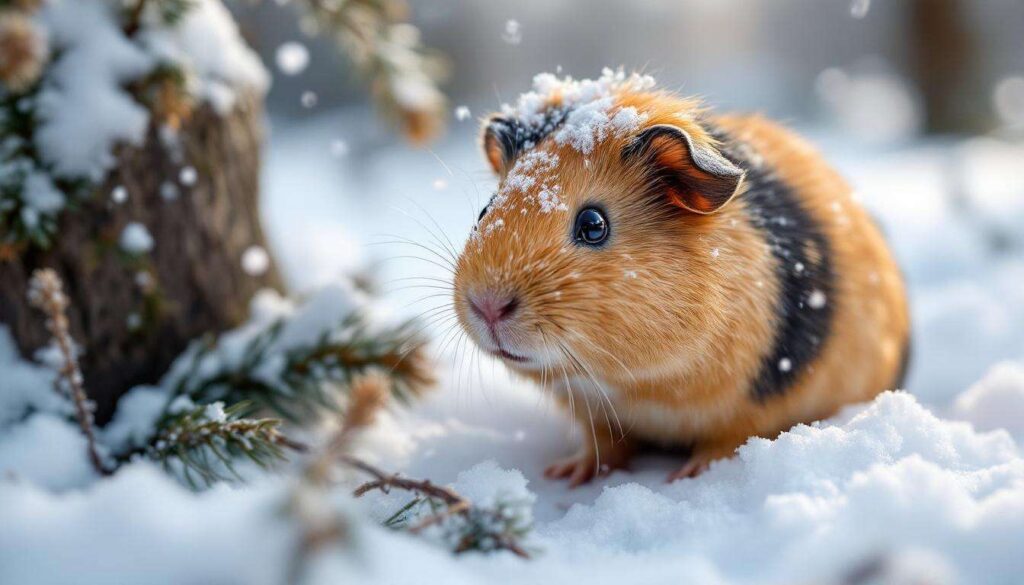
Guinea pigs are beloved pets known for their gentle nature and sociable temperament, but their care requirements become more complex when temperatures drop. Many owners face the dilemma of whether their outdoor guinea pigs can safely remain in their hutches throughout the winter months. Whilst these small mammals possess some natural resilience, their tolerance for cold weather has distinct limitations that must be carefully considered. Understanding the specific needs of guinea pigs during winter is essential for responsible pet ownership, as exposure to harsh conditions can lead to serious health complications. The decision to keep guinea pigs outdoors during winter requires thorough preparation, constant monitoring, and a willingness to adapt housing arrangements based on weather conditions.
Ideal conditions for a guinea pig in winter
Temperature requirements for guinea pig survival
Guinea pigs originate from the Andes mountains in South America, where they experience moderate temperatures. These animals are most comfortable in environments ranging between 15°C and 21°C. When temperatures fall below 10°C, guinea pigs begin to experience stress, and prolonged exposure to temperatures below 5°C can prove fatal. Unlike some rodents, guinea pigs cannot hibernate and must maintain their body temperature constantly. Their small size and lack of substantial body fat make them particularly vulnerable to hypothermia.
Protection from wind and moisture
Temperature alone does not determine whether conditions are suitable for outdoor guinea pigs. Wind chill and dampness significantly amplify the effects of cold weather. A hutch that provides adequate shelter from wind is essential, as draughts can rapidly decrease a guinea pig’s core temperature. Moisture presents an equally serious threat, as wet bedding and damp conditions compromise insulation and increase the risk of respiratory infections. The following factors contribute to ideal winter housing:
- Complete protection from rain, snow, and sleet
- Draught-free sleeping areas with multiple escape routes
- Dry bedding changed frequently to prevent moisture accumulation
- Solid walls on at least three sides of the hutch
- Raised flooring to prevent ground moisture seeping upwards
Lighting and daily routine considerations
Shorter daylight hours during winter affect guinea pigs’ circadian rhythms and overall well-being. These animals require natural light exposure to maintain healthy vitamin D levels and regulate their sleep patterns. Outdoor housing should be positioned to maximise daylight exposure whilst still providing shelter from harsh weather. Guinea pigs also need consistent routines, including regular feeding times and daily interaction with their owners, which can become challenging during severe winter weather.
Understanding these fundamental requirements provides the foundation for determining whether outdoor housing remains viable, but the physical environment itself requires substantial modifications to meet these standards.
How to prepare the outdoor space
Insulation and weatherproofing techniques
Transforming a standard hutch into winter-appropriate accommodation requires comprehensive insulation. The sleeping compartment should be lined with pet-safe insulation materials such as foam boards or bubble wrap, covered with protective barriers to prevent chewing. External weatherproofing includes applying waterproof covers or tarpaulins over the hutch whilst ensuring adequate ventilation remains. Condensation can accumulate inside overly sealed enclosures, creating dampness that undermines insulation efforts.
Bedding and nesting materials
Winter bedding requires significantly more depth than summer arrangements. A layered approach provides optimal insulation:
- Base layer of newspaper for moisture absorption
- Thick layer of wood shavings or hemp bedding (minimum 10cm depth)
- Generous quantities of hay for burrowing and insulation
- Additional fleece blankets or snuggle sacks in sleeping areas
Bedding should be checked daily and replaced immediately if damp. Guinea pigs need twice the normal amount of hay during winter, both for nutritional purposes and to create warm nests.
Hutch positioning and companion housing
The location of the hutch dramatically affects its ability to protect guinea pigs from winter weather. Ideal positioning places the hutch against a sheltered wall, preferably facing south or east to capture morning sunlight. Elevating the hutch at least 30cm above ground prevents cold and moisture rising from frozen earth. Companion housing is particularly important during winter, as guinea pigs huddle together for warmth. Solitary guinea pigs face significantly higher risks and should ideally be brought indoors or paired with compatible companions.
| Preparation element | Minimum requirement | Optimal standard |
|---|---|---|
| Bedding depth | 10cm | 15-20cm |
| Hutch elevation | 20cm | 30-45cm |
| Insulation thickness | 2cm | 5cm |
| Hay provision | Double summer amount | Unlimited access |
Despite meticulous preparation, certain weather conditions and health vulnerabilities make outdoor housing inadvisable, necessitating awareness of the specific dangers cold weather presents.
The risks of cold weather to guinea pigs’ health
Hypothermia and frostbite dangers
Hypothermia represents the most immediate threat to outdoor guinea pigs during winter. Early symptoms include lethargy, shivering, and reluctance to move. As core body temperature drops, guinea pigs become increasingly unresponsive and may lose consciousness. Frostbite commonly affects extremities such as ears, feet, and noses, causing tissue damage that may not become apparent until several days after exposure. Young guinea pigs, elderly animals, and those with existing health conditions face elevated risks and should generally be housed indoors during winter months.
Respiratory infections and immune system compromise
Cold, damp conditions create ideal circumstances for respiratory infections, which progress rapidly in guinea pigs. Symptoms include:
- Sneezing and nasal discharge
- Laboured breathing or wheezing
- Reduced appetite and weight loss
- Lethargy and hunched posture
- Crusty eyes or excessive tearing
The stress of maintaining body temperature in cold conditions suppresses guinea pigs’ immune systems, making them susceptible to bacterial and viral infections. Pneumonia can develop within days of initial symptoms appearing and requires immediate veterinary intervention. Guinea pigs are adept at hiding illness, meaning visible symptoms often indicate advanced disease.
Nutritional challenges and weight loss
Guinea pigs burn significantly more calories maintaining body temperature in cold weather, requiring increased food intake to prevent dangerous weight loss. Frozen water bottles prevent adequate hydration, and cold vegetables may be refused. Weight monitoring becomes critical during winter, with weekly weigh-ins recommended to detect problems early. A loss of more than 50g in a week warrants veterinary consultation.
These substantial health risks prompt many owners to reconsider outdoor housing arrangements, exploring safer options that protect their pets whilst maintaining quality of life.
Alternatives for winter housing
Indoor accommodation options
Bringing guinea pigs indoors for winter eliminates most cold-related risks. Indoor housing can take various forms, from traditional cages to purpose-built enclosures or designated rooms. A minimum floor space of 120cm by 60cm per pair remains essential regardless of location. Indoor guinea pigs benefit from consistent temperatures, protection from predators, and increased social interaction with family members. However, central heating can create excessively dry air, requiring humidity monitoring and potential supplementation.
Garage and shed conversions
For owners lacking indoor space, insulated outbuildings provide compromise solutions. Garages and sheds offer protection from weather extremes whilst maintaining separation from main living areas. Essential modifications include:
- Installation of safe heating sources such as oil-filled radiators
- Adequate ventilation to prevent carbon dioxide accumulation
- Protection from vehicle fumes if using attached garages
- Regular temperature monitoring with minimum/maximum thermometers
- Secure fencing to prevent access by wild animals
Temporary relocation strategies
Some owners implement flexible arrangements, bringing guinea pigs indoors during severe weather whilst maintaining outdoor housing during milder periods. This approach requires careful acclimatisation to prevent shock from temperature fluctuations. Guinea pigs should not be moved between environments differing by more than 5°C without gradual adjustment. Temporary indoor housing should replicate outdoor space requirements and maintain established social groupings.
Regardless of chosen housing arrangements, ongoing vigilance and proactive care measures ensure guinea pigs thrive throughout the challenging winter season.
Tips to ensure your guinea pig’s well-being
Daily monitoring and health checks
Consistent observation forms the cornerstone of winter guinea pig care. Owners should conduct twice-daily health checks, examining for signs of cold stress, illness, or injury. Key indicators include activity levels, eating and drinking patterns, droppings consistency, and respiratory sounds. Physical handling allows assessment of body temperature and condition, with guinea pigs feeling warm and well-padded when healthy. Any deviation from normal behaviour requires immediate attention.
Dietary adjustments for cold weather
Winter nutrition requires careful calibration to support increased energy demands. Fresh vegetables should be offered at room temperature rather than refrigerator-cold. Vitamin C supplementation becomes particularly important, as guinea pigs cannot synthesise this essential nutrient and cold stress increases requirements. High-quality pellets formulated specifically for guinea pigs should be available constantly, alongside unlimited hay access.
Water provision and preventing freezing
Maintaining liquid water access presents significant challenges during freezing weather. Solutions include:
- Using insulated water bottle covers
- Checking bottles multiple times daily and replacing frozen ones
- Providing water in heavy ceramic bowls less prone to tipping
- Adding small amounts of warm water to take the chill off
- Installing heated water bottles designed for outdoor animal use
Exercise and mental stimulation
Reduced outdoor time during winter can lead to boredom and obesity. Guinea pigs require daily exercise even in cold weather, necessitating creative solutions. Indoor play areas allow safe exercise regardless of weather conditions. Enrichment activities such as hiding vegetables in hay, providing tunnels and platforms, and rotating toys maintain mental engagement. Social interaction with compatible companions and regular human contact prevent isolation-related stress.
Keeping guinea pigs outdoors during winter demands substantial commitment, careful preparation, and constant vigilance. Whilst possible under optimal conditions with appropriate precautions, the risks are considerable and many veterinarians recommend indoor housing during the coldest months. Owners must honestly assess their ability to provide necessary care, monitor weather forecasts vigilantly, and prioritise their pets’ welfare above convenience. The decision ultimately rests on individual circumstances, including local climate severity, available resources, and the specific health status of the animals involved. Guinea pigs depend entirely on their owners for survival, making informed, responsible choices essential for their continued health and happiness throughout winter.