

The wirehaired dachshund stands out as one of the most distinctive and charismatic breeds in the canine world. With its wiry coat, bold personality and compact build, this variant of the dachshund family has captured the hearts of dog enthusiasts across the globe. Originally bred for hunting purposes in challenging terrain, these spirited dogs have evolved into beloved companions whilst retaining their tenacious hunting instincts. Their unique appearance, combined with an unwavering loyalty and playful nature, makes them a fascinating choice for those seeking a small dog with a big personality.
History and origins
Development in Germany
The wirehaired dachshund emerged in Germany during the 19th century as a deliberate breeding effort to create a more resilient hunting dog. Breeders crossed smooth-coated dachshunds with various wirehaired terrier breeds, including the Dandie Dinmont Terrier and the German Wirehaired Pointer. This strategic crossbreeding aimed to produce a dog capable of working in harsh weather conditions and navigating dense undergrowth whilst pursuing prey.
Purpose and function
The name “dachshund” translates literally to “badger dog” in German, reflecting the breed’s original purpose. These determined hunters were specifically designed to:
- flush out badgers from their underground burrows
- track and pursue rabbits and foxes
- work independently in challenging terrain
- withstand scratches from thorny vegetation
The wirehaired coat provided essential protection against the elements and rough vegetation, making this variant particularly suited to outdoor work in variable weather conditions. Their elongated body and short legs allowed them to manoeuvre through tight spaces underground, whilst their tenacious temperament ensured they would not back down from formidable prey.
Understanding this hunting heritage provides crucial insight into the breed’s modern characteristics and behaviour, which continue to influence how these dogs interact with their environment today.
Appearance and physical characteristics
Size and build
Wirehaired dachshunds exhibit a distinctive elongated body supported by short, sturdy legs. The breed comes in three size variants, each with specific measurements:
| Variant | Height at shoulder | Weight range |
|---|---|---|
| Standard | 33-38 cm | 7-12 kg |
| Miniature | 30-35 cm | 4-6 kg |
| Rabbit | Under 30 cm | 3-4 kg |
Coat characteristics
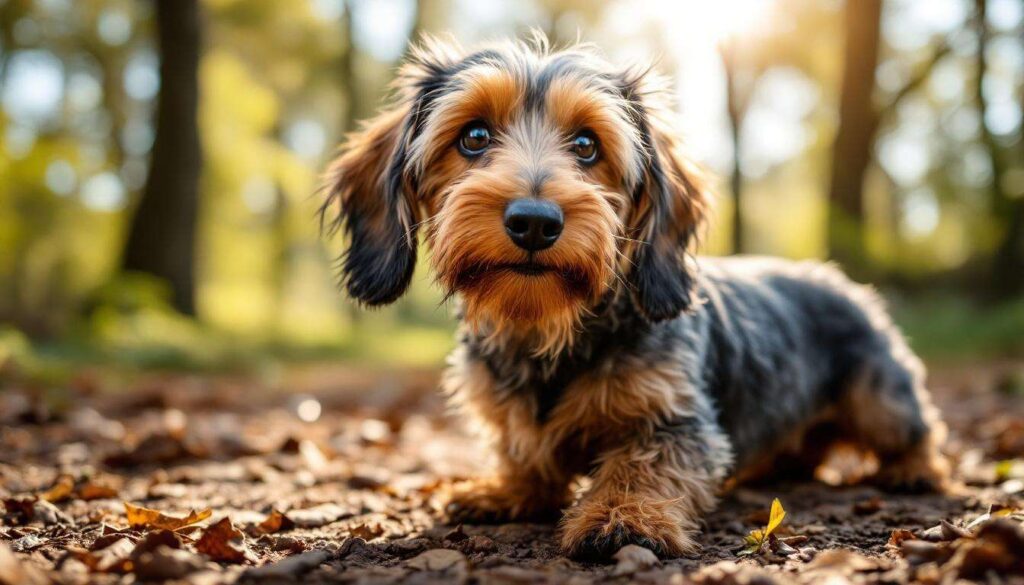
The most defining feature of this breed is undoubtedly its coat. The wirehaired dachshund possesses a dense, rough outer coat complemented by a softer undercoat that provides insulation. The texture feels coarse to the touch, with individual hairs measuring approximately 2-3 cm in length across most of the body.
Particularly charming are the facial furnishings that give these dogs their characteristic expression. Bushy eyebrows frame expressive eyes, whilst a prominent beard and moustache add to their distinguished appearance. These features not only contribute to their endearing looks but also served practical purposes during hunting activities.
Colour variations
Wirehaired dachshunds display a range of attractive coat colours:
- wild boar (a grizzled mixture of black, brown and grey)
- fawn in various shades
- black and tan
- chocolate and tan
- red
The wild boar colouration remains particularly popular and traditional for the wirehaired variety, reflecting the breed’s hunting origins.
These physical attributes not only define the breed’s appearance but also influence how owners care for and interact with their dogs on a daily basis.
Personality and temperament
Core character traits
Wirehaired dachshunds possess a spirited and bold personality that belies their compact size. These dogs exhibit remarkable confidence and independence, traits that were essential for their original hunting role. Their curious nature drives them to investigate their surroundings thoroughly, often leading to amusing adventures around the home and garden.
Key personality characteristics include:
- courageous and determined disposition
- playful and energetic behaviour
- strong-willed and occasionally stubborn tendencies
- loyal and affectionate towards family members
- alert and vocal when protecting their territory
Social interactions
The hunting heritage of wirehaired dachshunds significantly influences their social behaviour. They often display a strong prey drive, which can manifest as chasing smaller animals such as squirrels or cats. Proper socialisation from an early age proves essential for developing appropriate interactions with other pets and people.
When adequately socialised, these dogs can form excellent relationships with children, though supervision remains important due to their sometimes impatient nature with rough handling. They typically bond closely with their family members whilst maintaining a degree of wariness towards strangers, making them effective watchdogs despite their size.
These temperamental qualities directly impact the approach owners must take when training and exercising their wirehaired dachshunds.
Exercise and training needs
Physical activity requirements
Despite their short legs, wirehaired dachshunds require regular exercise to maintain physical health and mental wellbeing. Daily walks totalling 30-60 minutes prove sufficient for most adults, though individual energy levels vary. These dogs particularly enjoy:
- exploring new environments with interesting scents
- playing fetch and interactive games
- digging activities in designated areas
- participating in scent work exercises
Owners should avoid activities involving excessive jumping or climbing stairs, as the breed’s elongated spine makes them susceptible to back injuries.
Training approach
Training a wirehaired dachshund requires patience and consistency. Their independent nature and stubborn streak can present challenges, particularly for inexperienced owners. Positive reinforcement methods yield the best results, as these sensitive dogs respond poorly to harsh corrections.
Essential training priorities include:
- early socialisation with various people, animals and environments
- basic obedience commands taught through reward-based methods
- recall training to counteract their hunting instincts
- house training with a consistent routine
Mental stimulation proves equally important as physical exercise. Puzzle toys, scent games and training sessions help channel their intelligence productively and prevent boredom-related behaviours.
Maintaining both physical fitness and mental engagement through appropriate exercise and training creates the foundation for overall health and wellbeing.
Health and care
Common health considerations
Wirehaired dachshunds typically enjoy a lifespan of 12-15 years, though some individuals live longer with proper care. The breed’s distinctive body shape predisposes them to certain health conditions that owners should monitor:
- intervertebral disc disease (IVDD) affecting the spine
- patellar luxation in the knee joints
- progressive retinal atrophy impacting vision
- obesity when overfed or under-exercised
Regular veterinary check-ups prove essential for early detection of potential issues. Maintaining an appropriate weight significantly reduces the risk of spinal problems, making diet management crucial.
Grooming requirements
The wirehaired coat requires specific grooming attention to maintain its characteristic texture and appearance. Hand-stripping, performed two to three times yearly, removes dead hair whilst preserving the coat’s wiry quality. Between stripping sessions, weekly brushing prevents matting and removes loose hair.
Additional grooming tasks include:
- trimming facial furnishings to maintain visibility
- regular nail clipping every 3-4 weeks
- dental care through brushing and appropriate chews
- ear cleaning to prevent infections
The beard and eyebrows may require occasional cleaning, particularly after meals, to prevent food debris accumulation.
Proper health monitoring and grooming practices support the nutritional needs that keep these active dogs thriving.
Food and nutrition
Dietary requirements
Wirehaired dachshunds require a balanced, high-quality diet appropriate for their age, size and activity level. Adult dogs typically consume 1-1.5 cups of dry food daily, divided into two meals. Portion control remains critical, as this breed shows a tendency towards weight gain that can exacerbate spinal problems.
Nutritional considerations include:
- protein-rich formulas supporting muscle maintenance
- controlled fat content preventing obesity
- joint-supporting supplements such as glucosamine
- omega fatty acids promoting coat health
Feeding practices
Establishing consistent feeding routines helps prevent begging behaviours and maintains digestive regularity. Treats should comprise no more than 10% of daily caloric intake, with healthy options such as vegetables or small pieces of lean meat preferred over commercial treats high in calories.
Fresh water must remain available at all times, with bowls positioned at a comfortable height to prevent neck strain during drinking.
The wirehaired dachshund represents a unique combination of hunting heritage, distinctive appearance and spirited personality. Their wiry coat, bold temperament and compact build make them suitable for various living situations, from country homes to urban apartments. Prospective owners should prepare for a dog that demands consistent training, regular exercise and attentive health care, particularly regarding spinal health. With proper nutrition, grooming and veterinary attention, these characterful companions offer years of loyal friendship and entertainment. Their independent nature requires patient, positive training approaches, whilst their affectionate disposition rewards dedicated owners with unwavering devotion. Understanding the breed’s specific needs ensures a harmonious relationship that honours both their working heritage and their role as cherished family members.