


As winter tightens its grip and natural food sources become scarce, garden birds increasingly rely on human generosity to survive the harshest weeks of the year. Across the country, bird enthusiasts have discovered that a simple, inexpensive treat can transform their feeders into bustling hubs of avian activity each morning. This economical solution not only brings joy to observers but also provides essential nutrition during a critical period when energy demands are at their highest and natural provisions at their lowest.
Why February is the ideal month to feed birds
The harshest period for wild birds
February represents a critical survival window for British birds. By this stage of winter, natural food supplies have been substantially depleted. Seeds that fell in autumn have been consumed, insects remain dormant beneath frozen ground, and berry-laden hedgerows stand stripped bare. Birds face the double challenge of finding sufficient calories whilst enduring the coldest temperatures and shortest daylight hours.
Energy expenditure during February reaches peak levels as birds struggle to maintain body temperature through freezing nights. A small garden bird such as a blue tit can lose up to 10% of its body weight overnight, making the morning feed absolutely vital for survival. Without adequate nutrition, many birds simply cannot generate enough warmth to make it through consecutive cold nights.
Pre-breeding preparation requirements
February also marks the beginning of the breeding season preparation phase. Birds need to build up substantial fat reserves and protein stores to support the demanding weeks ahead. The quality of nutrition received during late winter directly influences:
- Egg production quality and quantity
- Successful nest building and territory establishment
- Overall breeding success rates
- Chick survival and development
Providing supplementary food during this month offers birds the nutritional foundation they need for successful reproduction, making your contribution particularly impactful. Understanding these seasonal pressures naturally leads to exploring what exactly makes such a difference in their diet.
The secret ingredient: the economical recipe to discover
The power of porridge oats
The remarkably affordable treat that bird lovers swear by is none other than plain porridge oats. This humble kitchen staple costs mere pence yet delivers exceptional nutritional value. Oats provide complex carbohydrates that release energy slowly, helping birds maintain body temperature throughout the day. They’re also rich in protein, fibre, and essential fatty acids that support overall health.
Unlike processed bird food that can be expensive, a standard 1kg bag of porridge oats costs under £1 and can last several weeks. The cost-effectiveness is unparalleled, making it accessible to anyone wishing to support garden wildlife regardless of budget constraints.
Preparation methods and enhancement options
Porridge oats can be offered in several ways to maximise their appeal:
- Dry oats scattered on feeding tables or in hoppers
- Soaked oats mixed with other ingredients for added nutrition
- Combined with melted suet to create energy-rich fat balls
- Mixed with dried fruit, seeds, or grated cheese for variety
| Ingredient | Cost per 100g | Nutritional benefit |
|---|---|---|
| Porridge oats | £0.10 | Carbohydrates, protein, fibre |
| Commercial bird seed | £0.45 | Fats, protein |
| Specialist suet products | £0.80 | High-energy fats |
For enhanced nutrition, mix oats with peanut butter, raisins, or small amounts of grated mild cheese. These additions boost the calorie content whilst remaining budget-friendly. Once you’ve selected your recipe, the next consideration is how to present it effectively.
Practical tips for an attractive setup
Feeder positioning and accessibility
Strategic placement of feeders dramatically influences visitation rates. Position feeding stations approximately two metres from cover such as shrubs or hedges, allowing birds a quick escape route from predators whilst maintaining clear visibility for observation. Avoid placing feeders too close to windows to prevent collision injuries, yet keep them near enough for enjoyable viewing.
Height variation matters significantly. Different species prefer different feeding levels:
- Ground-feeding birds: robins, dunnocks, blackbirds prefer low trays or ground scatter
- Mid-level feeders: suitable for tits, finches, and sparrows
- Hanging feeders: attract acrobatic species like goldfinches and long-tailed tits
Maintaining hygiene and freshness
Regular cleaning prevents disease transmission between visiting birds. Clean feeders weekly using a mild disinfectant solution, rinse thoroughly, and allow to dry completely before refilling. Remove any mouldy or wet food immediately, as contaminated feed can cause fatal infections.
Offer small quantities that will be consumed within 24-48 hours rather than filling feeders to capacity. This approach ensures freshness whilst reducing waste. Rotate feeding locations periodically to prevent ground contamination beneath popular stations. With proper setup established, you’ll soon notice an impressive variety of visitors.
The types of birds you can attract
Common garden visitors
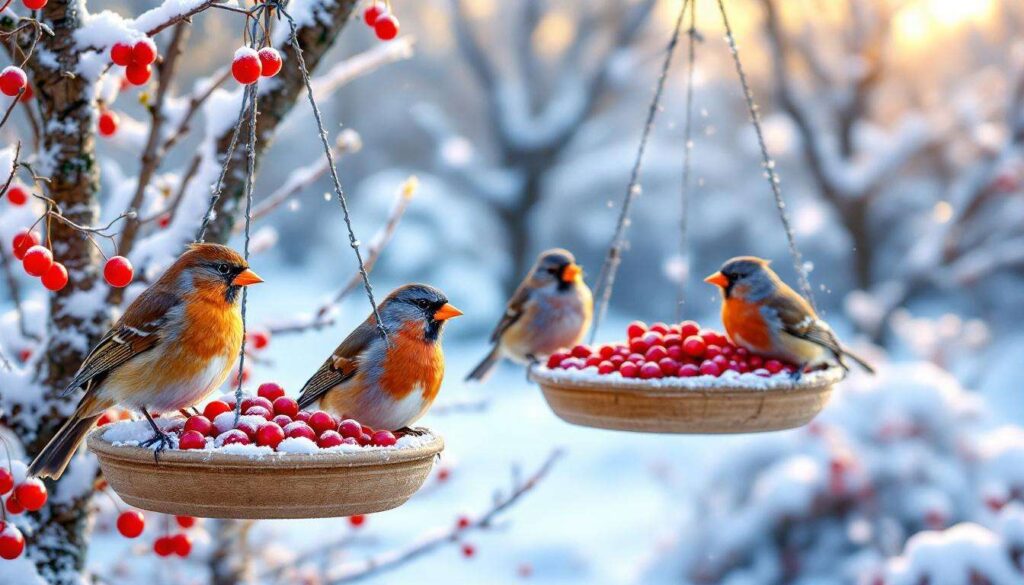
A well-stocked feeder featuring porridge oats attracts a diverse array of British birds. Regular visitors typically include blue tits, great tits, and coal tits, which are particularly fond of oat-based mixtures. Robins, with their bold personalities, quickly become daily visitors, often arriving at first light.
Blackbirds and song thrushes appreciate scattered oats on ground-level feeding tables, whilst house sparrows arrive in noisy flocks. Dunnocks quietly forage beneath feeders for fallen fragments, and starlings provide entertaining spectacles with their iridescent plumage and gregarious behaviour.
Special and seasonal visitors
February feeding can attract less common species seeking supplementary nutrition. Fieldfare and redwing, winter visitors from Scandinavia, may investigate feeders during particularly harsh weather. Greenfinches and goldfinches add splashes of colour, whilst the occasional great spotted woodpecker provides a thrilling sighting.
| Species | Preferred feeding method | Peak visiting time |
|---|---|---|
| Blue tit | Hanging feeders | Early morning |
| Robin | Ground/table | Throughout day |
| Blackbird | Ground scatter | Morning/evening |
| Goldfinch | Hanging feeders | Mid-morning |
Keeping detailed records of visitors enhances the experience and contributes to citizen science projects. However, maximising success requires awareness of common pitfalls.
Mistakes to avoid to optimise your feeder
Feeding inappropriate foods
Whilst porridge oats are excellent, certain foods pose serious risks. Never offer salted items, as salt is toxic to birds even in small quantities. Avoid bread, which provides minimal nutrition and can cause malnutrition when consumed as a primary food source. Desiccated coconut swells dangerously in birds’ stomachs, whilst cooked porridge can harden around beaks.
Other foods to exclude include:
- Milk and dairy products (birds cannot digest lactose)
- Chocolate (contains theobromine, toxic to birds)
- Avocado (contains persin, harmful to many species)
- Onions and garlic (can cause digestive issues)
Inconsistent feeding patterns
Birds quickly establish routines around reliable food sources. Irregular feeding disrupts these patterns, forcing birds to expend precious energy searching elsewhere. Once you begin supplementary feeding, maintain consistency throughout winter. Birds depend on this predictability, particularly during severe weather when alternative sources become inaccessible.
Neglecting water provision
Many enthusiasts focus solely on food whilst overlooking the equally critical need for fresh water. Birds require water for drinking and bathing year-round. During freezing conditions, unfrozen water becomes scarce. Provide shallow dishes, refreshing daily and breaking ice when temperatures drop. This simple addition significantly enhances your garden’s appeal. These practices collectively contribute to broader environmental benefits.
The positive impact on biodiversity in winter
Supporting declining populations
Garden feeding programmes make measurable contributions to bird conservation. Many once-common species have experienced significant population declines due to habitat loss, agricultural intensification, and climate change. Supplementary feeding during critical periods helps offset these pressures, improving survival rates and breeding success.
Research demonstrates that well-fed birds produce more offspring and experience higher overwinter survival rates. Your February feeding efforts directly support species resilience, helping maintain healthy populations despite environmental challenges.
Creating wildlife corridors
Gardens collectively form vital wildlife corridors connecting fragmented habitats across urban and suburban landscapes. By maintaining active feeding stations, you create stepping stones that enable birds to move safely between larger green spaces. This connectivity is essential for genetic diversity and population stability.
The benefits extend beyond birds. Feeding stations attract insects seeking fallen seeds, which in turn support other wildlife. This cascade effect enhances overall garden biodiversity, creating richer, more balanced ecosystems that benefit numerous species throughout the food web.
The simple act of offering porridge oats in February delivers remarkable rewards for both birds and observers. This economical approach provides essential nutrition during the most challenging weeks of winter whilst offering daily opportunities to connect with nature. By understanding seasonal needs, employing proper feeding techniques, and avoiding common mistakes, anyone can transform their garden into a vital refuge. The resulting increase in avian activity brings life and movement to grey February mornings, whilst contributing meaningfully to wildlife conservation. As natural habitats continue facing pressure, these small individual efforts collectively make a substantial difference to the survival and prosperity of our cherished garden birds.