



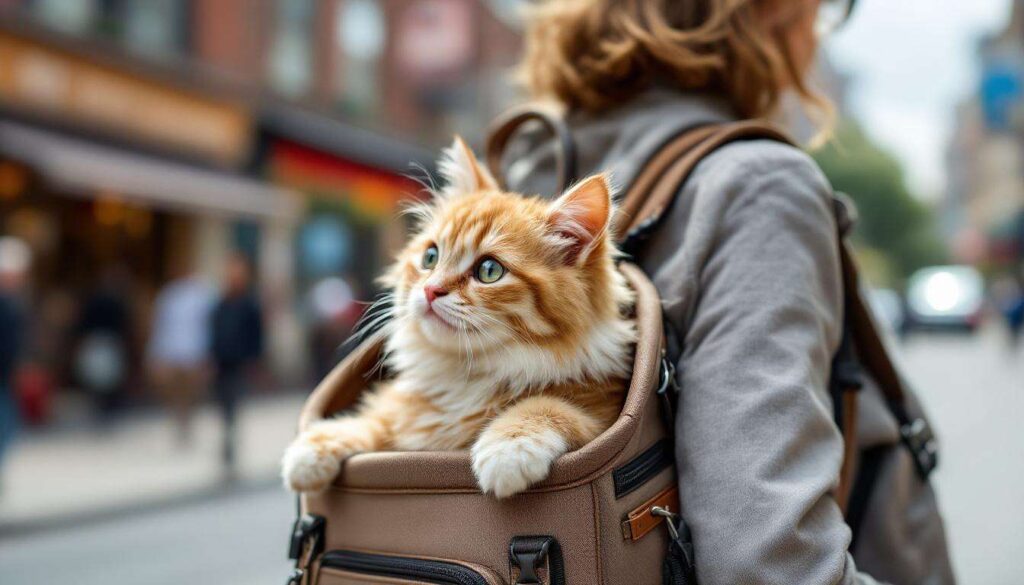
The notion that cats are exclusively indoor creatures who despise change has been thoroughly challenged in recent years. A growing number of feline owners are discovering that with proper preparation and the right temperament, some cats can indeed become enthusiastic travel companions. From weekend camping trips to international adventures, these adventurous moggies are rewriting the rulebook on what it means to be a cat owner. However, the question remains: can you genuinely take your cat everywhere, or does this lifestyle suit only certain felines and owners ?
Cat breeds that travel easily
Naturally adventurous feline personalities
Whilst individual temperament plays the most significant role in determining a cat’s suitability for travel, certain breeds demonstrate characteristics that make them more adaptable to new environments. Maine Coons are frequently cited as excellent travel companions due to their dog-like personalities and sociable nature. These gentle giants typically remain calm in unfamiliar situations and often enjoy exploring new surroundings alongside their owners.
Abyssinians represent another breed well-suited to adventure. Their naturally curious disposition and high energy levels mean they often welcome stimulation from new experiences rather than finding them threatening. Similarly, Ragdolls possess a remarkably placid temperament that allows them to adapt more readily to changing circumstances, making them ideal candidates for owners who travel frequently.
Breeds with adaptable characteristics
Several other breeds deserve consideration for their travel-friendly traits:
- Siamese cats: highly social and vocal, they form strong bonds with their owners and often prefer accompanying them to being left behind
- Burmese: confident and people-oriented, these cats typically handle new situations with composure
- Bengal cats: their active nature and intelligence make them responsive to training for travel situations
- Turkish Angora: known for their adaptability and affectionate personalities
It bears emphasising that breed tendencies provide only general guidance. Individual personality assessment remains paramount, as a typically home-loving breed may produce an adventurous individual, whilst a supposedly adaptable breed might include anxious cats who struggle with change.
Understanding your cat’s natural inclinations sets the foundation for determining whether travel training will prove successful or create unnecessary stress for your feline companion.
How to train your cat for adventure
Starting with carrier acclimatisation
Carrier training forms the cornerstone of preparing any cat for travel. Rather than introducing the carrier only when veterinary visits loom, successful adventure cats learn to view their carriers as safe, comfortable spaces. Begin by leaving the carrier open in your home with soft bedding inside, allowing your cat to explore it voluntarily. Placing treats or favourite toys inside creates positive associations that prove invaluable during actual journeys.
Gradually progress to closing the carrier door for brief periods whilst your cat remains inside, always rewarding calm behaviour. Short trips around your home whilst carrying the crate help your cat adjust to movement. This foundation prevents the carrier from becoming a source of anxiety and instead establishes it as a secure retreat during stressful situations.
Harness and lead training essentials
Outdoor adventures require harness proficiency to ensure your cat’s safety. Unlike dogs, cats require specially designed harnesses that they cannot wriggle free from. Introduction should occur indoors, allowing your cat to wear the harness for increasing durations before attaching a lead. Many cats initially find harnesses uncomfortable, so patience proves essential.
| Training stage | Duration | Key objective |
|---|---|---|
| Harness familiarisation | 1-2 weeks | Cat accepts wearing harness indoors |
| Lead attachment | 1 week | Cat walks naturally whilst attached |
| Garden exploration | 2-3 weeks | Cat remains calm in outdoor environment |
| Public spaces | Ongoing | Cat tolerates noise and unfamiliar surroundings |
Building confidence through gradual exposure
Successful adventure cats develop their confidence through systematic desensitisation to various stimuli. Start with quiet environments before progressing to busier settings. Short car journeys to pleasant destinations help cats associate travel with positive outcomes rather than solely with veterinary visits.
Consistency in routine provides security even amidst change. Maintaining feeding schedules, bringing familiar bedding, and using the same commands helps your cat feel grounded regardless of location.
With these training foundations established, cat owners can begin to appreciate the various advantages that travelling with their feline companions offers.
The benefits of travelling with your cat
Strengthening the human-feline bond
Shared adventures create profound connections between cats and their owners. Unlike the routine interactions of daily life, navigating new environments together requires trust and communication that deepens relationships. Cats who travel with their owners often display increased affection and attachment, as they rely on their human companions for security in unfamiliar situations.
This enhanced bond extends beyond travel itself. Owners frequently report that their adventure cats become more responsive to training, more communicative about their needs, and generally more engaged in household activities.
Practical advantages for modern lifestyles
Eliminating separation anxiety represents a significant benefit for both parties. Cats left behind during owner absences may experience stress, potentially leading to behavioural issues or health problems. Similarly, owners often worry about their pets’ wellbeing whilst away, diminishing their enjoyment of trips.
For individuals with flexible work arrangements or digital nomad lifestyles, travelling with cats removes the constraint of returning home to care for pets. This freedom allows for extended stays in different locations without the guilt or logistical challenges of arranging pet care.
Enrichment and mental stimulation
Adventure cats benefit from enhanced environmental enrichment that indoor-only lifestyles cannot replicate. New sights, sounds, and smells provide mental stimulation that keeps cats engaged and prevents boredom-related behavioural problems. The variety of experiences contributes to a more fulfilled, mentally active feline.
However, these benefits only materialise when appropriate safety measures and precautions accompany travel plans.
Precautions to take when travelling with your cat
Health documentation and veterinary preparation
Before embarking on any journey, ensuring your cat’s vaccinations remain current is non-negotiable. Different destinations may have specific health requirements, particularly for international travel. Obtain a comprehensive health certificate from your veterinarian, ideally within ten days of departure for most jurisdictions.
Microchipping provides essential identification should your cat become separated from you. Ensure registration details remain up-to-date with current contact information. Additionally, research veterinary facilities at your destination in case emergency care becomes necessary.
Essential travel kit components
A well-prepared travel kit ensures your cat’s comfort and safety throughout the journey:
- Secure carrier: airline-approved if flying, with adequate ventilation and space
- Portable litter tray: collapsible options save space whilst maintaining hygiene
- Sufficient food and water: familiar brands prevent digestive upset from dietary changes
- Medications: any regular prescriptions plus motion sickness remedies if recommended
- Comfort items: favourite toys, bedding with familiar scents
- First aid supplies: bandages, antiseptic, tweezers for emergencies
- Recent photographs: aids identification if your cat goes missing
Environmental safety considerations
Each new environment presents potential hazards requiring assessment. In accommodation, check for escape routes such as unsecured windows or gaps beneath doors. Remove or secure toxic plants, cleaning products, and small objects that could pose choking hazards.
When exploring outdoors, remain vigilant about local wildlife, traffic patterns, and other animals. Never leave your cat unattended in vehicles, as temperature fluctuations can prove fatal within minutes. In warm climates, ensure adequate shade and hydration; in cold conditions, limit exposure and provide warm shelter.
Understanding these precautions enables informed decisions about which destinations suit feline travellers.
Ideal travel destinations with a cat
Pet-friendly accommodation considerations
Selecting appropriate destinations begins with identifying cat-welcoming accommodation. Certain cities and regions have embraced pet tourism more enthusiastically than others. Urban centres with progressive pet policies typically offer numerous hotels, holiday rentals, and even restaurants that accommodate feline guests.
When researching options, verify specific pet policies rather than assuming “pet-friendly” automatically includes cats. Some establishments welcome dogs whilst restricting cats, or impose additional fees and deposits for feline guests.
Destinations with cat-friendly characteristics
Certain locations naturally suit travelling cats better than others. Coastal areas often provide stimulating environments with varied wildlife and interesting scents, though supervision remains essential near water. Rural retreats offer quieter settings where nervous cats feel less overwhelmed than in bustling cities.
For UK-based travel, Scotland’s pet-friendly cottages and England’s countryside accommodations frequently welcome cats. European destinations such as certain regions of France and Portugal have developed reputations for accommodating feline tourists, with some establishments specifically catering to travelling cat owners.
Practical destination selection criteria
| Factor | Ideal characteristic | Why it matters |
|---|---|---|
| Climate | Moderate temperatures | Reduces heat stress and cold exposure risks |
| Accommodation type | Self-contained units | Provides safe, controlled environment |
| Veterinary access | Nearby emergency services | Enables rapid response to health issues |
| Noise levels | Quieter environments | Minimises stress for sensitive cats |
Whilst numerous destinations can accommodate feline travellers, the fundamental question remains whether every trip warrants bringing your cat along.
Should you always take your cat on trips ?
Assessing individual journey suitability
Not every excursion represents an appropriate opportunity for feline companionship. Journey duration and complexity significantly impact whether bringing your cat proves beneficial or burdensome. Brief overnight trips may cause more disruption than simply arranging home care, particularly if extensive travel time is involved.
Consider the primary purpose of your trip. Business travel with limited free time may leave your cat confined to accommodation for extended periods, negating the benefits of togetherness. Conversely, leisure trips with flexible schedules allow quality time and exploration that justify the additional planning required.
Recognising when home is best
Certain circumstances clearly indicate leaving your cat at home. Extreme weather conditions at your destination, particularly intense heat or cold, pose genuine health risks that outweigh companionship benefits. Destinations requiring multiple connecting flights or extended transit times create unnecessary stress for most cats.
If your cat displays signs of travel anxiety despite training efforts, forcing continued exposure may prove counterproductive. Some cats simply prefer familiar environments, and respecting these preferences demonstrates responsible ownership. Professional cat sitters or trusted friends can provide excellent care whilst you’re away, often causing less disruption than travel would.
Alternative arrangements and compromises
For cats unsuited to extensive travel, shorter local adventures may provide sufficient stimulation without overwhelming stress. Garden exploration, brief car trips to nearby parks, or visits to friends’ homes offer novelty whilst maintaining proximity to familiar territory.
Regular routines interrupted occasionally by brief absences often suit many cats better than constant upheaval. Balancing your desire for feline companionship against your cat’s genuine comfort levels ensures decisions prioritise their wellbeing rather than human preferences.
The adventure cat lifestyle undeniably suits certain felines and owners remarkably well, creating opportunities for shared experiences and strengthened bonds. However, successful implementation requires honest assessment of both cat temperament and practical circumstances. Those breeds naturally inclined towards adaptability, combined with patient training and appropriate precautions, can indeed accompany their owners on remarkable journeys. Yet the most responsible approach recognises that not every cat belongs everywhere, and sometimes the greatest expression of love involves ensuring your feline friend enjoys the security of home whilst you explore the world. The decision ultimately rests on understanding your individual cat’s needs, capabilities, and preferences rather than following trends or assumptions about what cats should enjoy.