



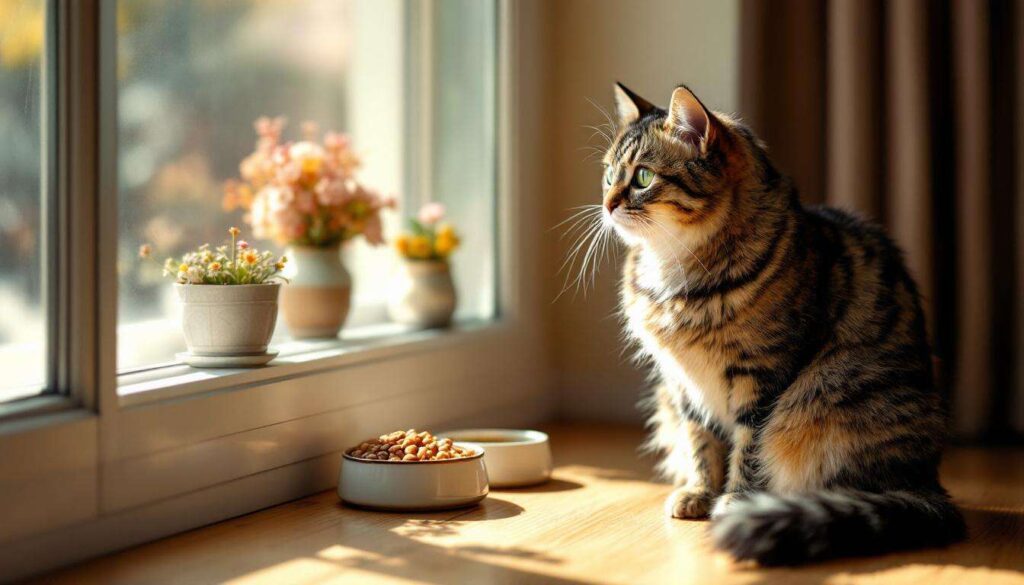
Cat owners often face the dilemma of leaving their feline companions alone whilst managing work commitments, social obligations, or travel plans. Whilst cats are renowned for their independence compared to other household pets, they still require proper care, attention, and environmental considerations when left unaccompanied. Understanding the balance between feline autonomy and their fundamental needs is essential for responsible pet ownership. The duration a cat can safely remain alone depends on numerous factors including age, health status, personality traits, and the preparations made before departure.
Understanding your cat’s needs
Basic requirements for feline wellbeing
Cats possess fundamental needs that must be met regardless of how independent they appear. These requirements form the foundation of responsible cat care and directly influence how long they can safely remain without human supervision. The primary necessities include:
- Fresh water available at all times to prevent dehydration
- Adequate food portions appropriate to their age and dietary requirements
- Clean litter facilities for maintaining hygiene and comfort
- Safe environment free from hazards or escape routes
- Comfortable temperature regulation within the home
Social and emotional considerations
Beyond physical requirements, cats experience emotional and psychological needs that vary considerably between individuals. Some felines thrive on human interaction and become distressed when isolated for extended periods, whilst others display remarkable contentment in solitude. Social cats may exhibit signs of separation anxiety, including excessive vocalisation or destructive behaviour. Conversely, more independent personalities might barely acknowledge their owner’s absence. Understanding your particular cat’s temperament is crucial for determining appropriate absence durations and implementing suitable care strategies.
These foundational elements of feline care establish the framework for assessing how environmental and temporal factors affect your cat’s ability to cope with solitude.
The maximum stress-free absence duration
Short-term absences: 24 to 48 hours
Most healthy adult cats can manage independently for periods ranging from 24 to 48 hours when proper preparations are implemented. This timeframe represents the maximum recommended duration for leaving cats completely unattended. During this period, cats can access sufficient food and water supplies, use their litter facilities, and maintain reasonable comfort levels. However, this duration assumes ideal conditions including a secure environment, adequate resources, and a cat with no special medical or behavioural requirements.
Extended absences beyond 48 hours
Absences exceeding two days introduce significant risks and complications that responsible owners must address. The following table illustrates the escalating concerns associated with prolonged solitude:
| Duration | Primary concerns | Recommended action |
|---|---|---|
| 24-48 hours | Food and water depletion, litter hygiene | Adequate preparation may suffice |
| 3-4 days | Resource exhaustion, emotional distress, emergency situations | Daily visitor essential |
| 5+ days | Severe stress, health complications, safety hazards | Professional care or boarding required |
For any absence extending beyond 48 hours, arranging for daily check-ins from a trusted individual becomes essential rather than optional. These visits ensure resource replenishment, environmental safety, and provide crucial social interaction that maintains your cat’s emotional wellbeing.
However, these general timeframes require adjustment based on specific characteristics unique to each feline and their living circumstances.
Factors influencing your cat’s solitude
Age-related considerations
Kittens under six months should never be left alone for more than four to six hours due to their frequent feeding requirements, limited bladder control, and vulnerability to household hazards. Young cats require regular supervision to ensure safety and proper development. Senior cats similarly need shortened absence periods, particularly those managing chronic health conditions such as diabetes, kidney disease, or arthritis that necessitate medication administration or monitoring.
Health status and medical requirements
Cats with ongoing medical conditions require significantly reduced solitude periods or continuous care arrangements. Conditions requiring regular medication, dietary management, or symptom monitoring make extended absences inadvisable without professional supervision. Even seemingly minor health issues can escalate rapidly without human intervention, potentially resulting in serious complications or emergencies.
Personality and behavioural traits
Individual temperament plays a crucial role in determining appropriate absence durations. Consider these personality-based factors:
- Anxious cats prone to stress-related behaviours require shorter separation periods
- Highly social felines accustomed to constant companionship struggle with isolation
- Independent cats with established routines typically manage solitude more effectively
- Multi-cat households may experience reduced loneliness through companion interaction
Understanding these variable factors enables owners to make informed decisions about absence management and implement appropriate care solutions.
Tips for a prolonged absence
Resource preparation and environmental safety
Thorough preparation significantly enhances your cat’s comfort and safety during your absence. Multiple water stations throughout the home prevent dehydration should one source become contaminated or depleted. Automatic feeders with timed portions maintain regular feeding schedules whilst preventing overeating. Ensure multiple litter trays are available, following the guideline of one per cat plus an additional tray to maintain hygiene standards.
Creating a secure and comfortable environment
Environmental modifications contribute substantially to your cat’s wellbeing during solitude:
- Remove potential hazards including toxic plants, small objects, and accessible chemicals
- Secure windows and doors to prevent escape attempts or accidents
- Provide comfortable resting areas in quiet locations away from disturbances
- Maintain appropriate temperature through heating or cooling systems
- Leave familiar items such as worn clothing to provide comforting scents
- Offer entertainment through puzzle toys, scratching posts, and window perches
Arranging appropriate care support
Professional pet sitters or trusted friends provide invaluable support during extended absences. Daily visits should include feeding, water refreshment, litter maintenance, and crucially, social interaction and observation for health concerns. Provide detailed care instructions including feeding amounts, medication schedules, veterinary contact information, and your emergency contact details. Video calls during visits allow you to assess your cat’s condition and provide reassurance to both parties.
Beyond physical preparations and human support, technological solutions offer additional peace of mind for concerned owners.
Solutions for remote monitoring of your cat
Camera systems and interactive devices
Pet cameras equipped with two-way audio enable real-time observation and communication with your cat during absences. These devices allow you to monitor behaviour, confirm resource consumption, and even dispense treats remotely. Some advanced systems include motion detection alerts that notify owners of unusual activity patterns, potentially identifying problems before they escalate. Interactive features such as laser toys or treat dispensers provide mental stimulation and maintain engagement during solitude.
Automated care technology
Modern technology offers numerous solutions for maintaining care standards remotely. Automated feeders with programmable schedules ensure consistent meal times, whilst smart water fountains encourage hydration through flowing water that remains fresh and appealing. Self-cleaning litter boxes maintain hygiene standards by removing waste automatically, reducing odour and discomfort. Temperature monitoring systems alert owners to environmental changes that could compromise their cat’s comfort or safety.
Whilst technology provides valuable support, recognising when your cat experiences distress remains an essential skill for every owner.
Recognising signs of stress or loneliness
Behavioural indicators of distress
Cats communicate discomfort through subtle behavioural changes that attentive owners must recognise. Common stress indicators include:
- Excessive vocalisation, particularly plaintive meowing or yowling
- Destructive behaviour such as scratching furniture or inappropriate elimination
- Changes in appetite including refusal to eat or excessive consumption
- Withdrawal from normal activities or hiding for extended periods
- Aggressive behaviour towards owners or other household pets
- Over-grooming resulting in bald patches or skin irritation
Physical manifestations of anxiety
Stress-related physical symptoms may develop in cats experiencing prolonged or repeated separation anxiety. These include digestive disturbances such as vomiting or diarrhoea, reduced grooming leading to matted or unkempt fur, and weight loss from decreased appetite. Some cats develop stress-induced cystitis, a painful bladder condition triggered by emotional distress. Recognising these signs promptly enables intervention through environmental modifications, behavioural support, or veterinary consultation when necessary.
Leaving cats alone requires careful consideration of multiple factors including individual needs, environmental preparations, and appropriate support systems. Whilst healthy adult cats typically manage 24 to 48 hours independently with proper resources, extended absences necessitate daily human contact through pet sitters or trusted individuals. Age, health status, and personality significantly influence appropriate solitude durations, with kittens, seniors, and anxious cats requiring reduced separation periods. Thorough preparation including multiple resource stations, environmental safety measures, and technological monitoring solutions enhances feline wellbeing during owner absences. Recognising stress indicators enables timely intervention, ensuring your cat’s physical and emotional health remains protected. Ultimately, responsible cat ownership involves balancing practical necessities with your feline companion’s fundamental needs for security, comfort, and appropriate social interaction.