



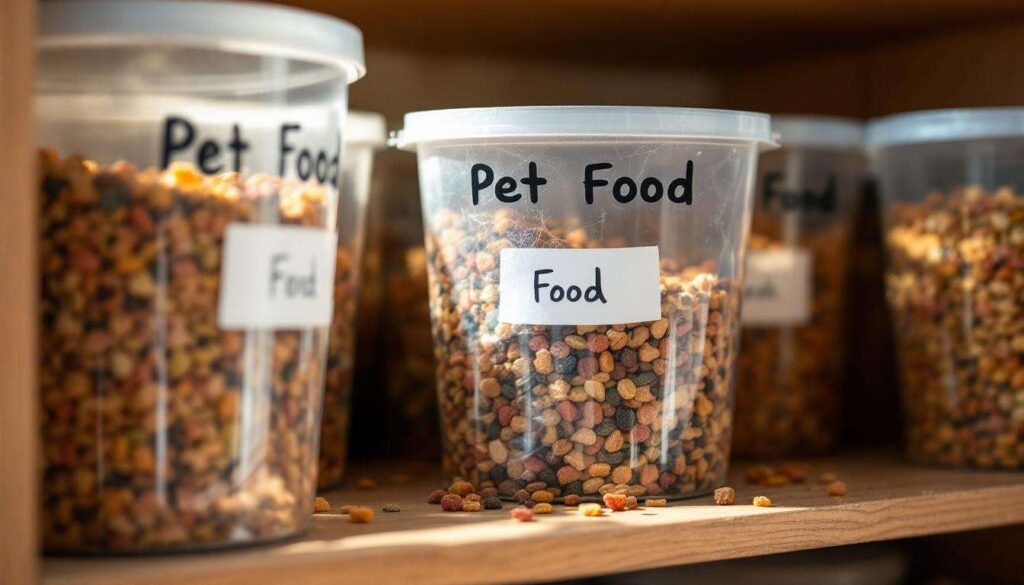
Pet owners often overlook the seemingly simple task of storing their animal’s food, yet this decision can have far-reaching consequences for both the quality of the kibble and the wellbeing of their beloved companions. Whilst plastic containers might appear convenient and economical, they harbour hidden dangers that could compromise your pet’s nutrition and health. Understanding the science behind proper food storage reveals why alternatives to plastic should be seriously considered by every responsible pet owner.
Risk of food contamination
Chemical leaching from plastic materials
Plastic containers pose a significant threat through chemical leaching, a process whereby harmful substances migrate from the container into the food. Many plastics contain bisphenol A (BPA), phthalates, and other synthetic compounds that can seep into kibble, particularly when exposed to warmth or sunlight. These chemicals were never intended for consumption and may accumulate in your pet’s system over time.
The porous nature of plastic exacerbates this problem. Even food-grade plastics can develop microscopic scratches and cracks through regular use, creating:
- breeding grounds for bacteria and mould spores
- surfaces that trap oils and fats from previous kibble batches
- invisible reservoirs of contamination that washing cannot fully eliminate
- pathways for chemical compounds to interact with fresh food
Bacterial growth and cross-contamination
Research has demonstrated that plastic containers are notoriously difficult to sanitise completely. The fat content in pet food creates a residual film that clings to plastic surfaces, providing nourishment for harmful microorganisms. Salmonella, E. coli, and other pathogens can establish colonies within these greasy deposits, contaminating each new bag of food added to the container.
| Contamination Type | Risk Level | Common Source |
|---|---|---|
| Bacterial | High | Residual oils and moisture |
| Chemical | Moderate to High | Plastic degradation |
| Fungal | Moderate | Humidity and poor ventilation |
Beyond contamination concerns, the way plastic containers interact with kibble affects the food’s nutritional integrity and freshness.
The preservation of nutrients
Oxidation and nutrient degradation
Pet food manufacturers invest considerable resources in formulating nutritionally balanced kibble, but improper storage can rapidly diminish these benefits. When kibble is transferred from its original packaging into a plastic container, it loses the protection of specially designed barrier materials that prevent oxygen exposure. Oxidation begins immediately, breaking down essential fatty acids, vitamins, and other sensitive nutrients.
Fat-soluble vitamins such as A, D, E, and K are particularly vulnerable to degradation when exposed to air and light. The longer kibble sits in a plastic container, the more these vital nutrients deteriorate, potentially leaving your pet with a diet that appears adequate on paper but delivers diminished nutritional value in practice.
Loss of palatability and freshness
Plastic containers rarely provide an airtight seal comparable to original packaging. This allows moisture and air to circulate freely, causing kibble to become stale and lose its appealing aroma. Pets rely heavily on scent to determine food palatability, and oxidised fats produce rancid odours that can discourage eating.
Additionally, plastic itself can impart undesirable flavours to stored food. Many pet owners notice their animals become:
- reluctant to finish meals
- selective about which pieces they consume
- less enthusiastic about feeding time
- prone to leaving food in their bowls
These storage-related nutritional compromises don’t merely affect meal enjoyment; they can manifest in tangible health problems.
Impact on your pet’s health
Gastrointestinal disturbances
Contaminated or degraded kibble frequently triggers digestive upset in pets. Symptoms may include vomiting, diarrhoea, excessive gas, and reduced appetite. Whilst these signs might seem minor, chronic gastrointestinal irritation can lead to more serious conditions such as inflammatory bowel disease or food sensitivities.
The bacterial contamination associated with plastic storage poses particular risks for young, elderly, or immunocompromised animals. Their systems lack the robust defences needed to combat foodborne pathogens, making them especially vulnerable to infections that healthier pets might resist.
Long-term health consequences
Repeated exposure to chemicals leached from plastic containers raises concerns about cumulative health effects. Studies have linked BPA and similar compounds to hormonal disruptions, reproductive issues, and increased cancer risk in animals. Although research continues, the precautionary principle suggests minimising exposure whenever possible.
Nutritional deficiencies resulting from oxidised kibble can manifest as:
- dull coat and poor skin condition
- reduced energy levels and lethargy
- weakened immune function
- impaired growth in young animals
- delayed wound healing
Fortunately, pet owners have access to superior storage solutions that eliminate these risks entirely.
Safe alternatives to plastic
Stainless steel containers
Stainless steel represents the gold standard for pet food storage. This material is non-porous, preventing bacterial colonisation and eliminating chemical leaching concerns. It resists scratches, cleans easily, and maintains its integrity indefinitely. Quality stainless steel containers with airtight lids provide excellent protection against oxidation whilst being environmentally sustainable.
Glass storage options
For smaller quantities, glass containers offer similar benefits to stainless steel. They’re completely inert, meaning they won’t interact chemically with stored food. Glass allows visual inspection of contents and can be thoroughly sanitised. However, fragility and weight make glass less practical for large-volume storage.
Original packaging solutions
Many veterinarians and pet nutritionists recommend the simplest approach: keeping kibble in its original bag. Manufacturers design these bags with multiple protective layers that control oxygen transmission, moisture, and light exposure. To enhance protection, place the sealed original bag inside a clean, lidded container for added defence against pests and physical damage.
Implementing proper storage techniques maximises the effectiveness of whichever container type you choose.
Tips for proper kibble storage
Environmental considerations
Regardless of container material, location matters enormously. Store pet food in a cool, dry environment away from direct sunlight and heat sources. Garages and outdoor sheds experience temperature fluctuations that accelerate nutrient degradation. Instead, choose climate-controlled spaces such as pantries or utility rooms.
Humidity is equally important. Moisture encourages mould growth and causes kibble to soften and spoil. Avoid storage near dishwashers, washing machines, or other moisture-generating appliances.
Handling and hygiene practices
Establish rigorous hygiene protocols for food handling. Always wash hands before scooping kibble, and dedicate specific utensils exclusively to pet food service. Clean containers thoroughly between bags, allowing them to dry completely before refilling.
Follow these essential guidelines:
- purchase appropriately sized bags that your pet will consume within four to six weeks
- seal bags securely after each use, removing excess air
- never mix old and new kibble batches
- check expiration dates regularly and rotate stock accordingly
- inspect food for signs of spoilage, including unusual odours, discolouration, or visible mould
The investment in proper storage equipment and practices pays dividends through improved pet health, reduced food waste, and peace of mind knowing your companion receives optimal nutrition with every meal. By abandoning plastic containers in favour of safer alternatives and implementing thoughtful storage strategies, pet owners demonstrate their commitment to their animals’ wellbeing whilst protecting the substantial investment made in quality food.