

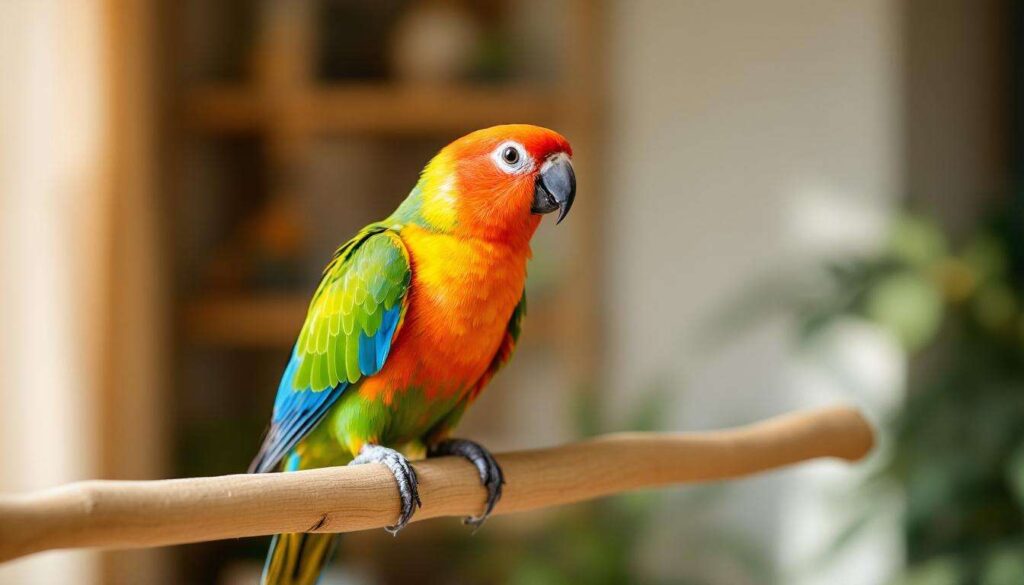
Selecting the appropriate perch for your feathered companion is more than a matter of convenience. A bird spends a significant portion of its day standing, resting, and sleeping on its perch, making this simple accessory a crucial element of its environment. While a plain piece of wood might seem like an obvious choice, understanding what makes a perch truly suitable requires careful consideration of your bird’s specific needs, natural behaviours, and health requirements.
The importance of choosing the right perch for your bird
Impact on physical health
The perch your bird uses directly affects its foot health and overall posture. Birds in captivity are prone to developing conditions such as bumblefoot, arthritis, and muscle strain when forced to grip perches of uniform diameter for extended periods. A well-chosen perch encourages natural foot positioning and prevents pressure sores that can develop from constant contact with inappropriate surfaces.
Behavioural and psychological benefits
Beyond physical health, the right perch contributes to your bird’s mental wellbeing. In their natural habitat, birds navigate branches of varying thickness, texture, and flexibility. Replicating this diversity in captivity provides mental stimulation and encourages natural behaviours such as climbing, gripping, and balancing. A simple piece of wood, when chosen correctly, can offer these essential benefits.
Understanding what constitutes an appropriate perch requires examining the specific characteristics that make wood suitable for avian use.
The characteristics of a good wooden perch
Diameter and shape considerations
The diameter of a wooden perch should allow your bird to grip comfortably with its toes wrapping approximately two-thirds to three-quarters around the circumference. A perch that is too thin forces the bird’s nails to dig into its own feet, whilst one that is too thick prevents proper gripping and can lead to falls. Natural branches with varying diameters are ideal, as they allow the bird to shift its grip and exercise different foot muscles.
Texture and surface quality
The surface texture of a wooden perch must strike a balance between being too smooth and excessively rough. Key features include:
- Natural bark that provides grip without causing abrasions
- Slight irregularities that massage the feet and prevent monotonous pressure points
- Absence of splinters or sharp edges that could injure delicate foot pads
- Sufficient friction to prevent slipping whilst allowing comfortable standing
Length and positioning
A suitable wooden perch should be long enough to accommodate your bird comfortably without its tail feathers touching cage walls or other obstacles. The positioning within the cage matters equally, as perches placed too high may cause stress, whilst those positioned too low fail to satisfy the bird’s instinct to roost at elevated heights.
These characteristics align perfectly with what natural materials can provide, offering distinct advantages over manufactured alternatives.
The advantages of a natural perch for birds
Physical exercise and foot health
Natural wooden perches with their irregular surfaces and varying diameters promote healthy foot development and maintenance. The subtle changes in grip required when moving along a natural branch exercise the bird’s feet, tendons, and leg muscles in ways that uniform perches cannot replicate. This natural variation helps prevent conditions such as pressure sores and maintains proper circulation.
Enrichment and natural behaviour
A simple piece of natural wood provides environmental enrichment that stimulates your bird’s instinctive behaviours. Birds enjoy stripping bark, chewing on wood, and exploring the textures and contours of natural branches. This activity satisfies their need for foraging behaviour and helps prevent boredom-related issues such as feather plucking or excessive vocalisation.
Cost-effectiveness and sustainability
Natural wooden perches offer an economical solution compared to manufactured alternatives. When sourced responsibly and prepared correctly, branches from your garden or local environment can provide excellent perches at minimal cost. This approach is also environmentally sustainable, reducing reliance on manufactured products and their associated packaging.
However, not all wood is created equal when it comes to avian safety, making species selection paramount.
The types of wood suitable for a perch
Safe hardwood options
Certain hardwoods are particularly well-suited for bird perches due to their durability and safety profile. Recommended options include:
- Apple and pear wood, which are non-toxic and provide excellent texture
- Ash, offering durability and a pleasant surface for gripping
- Beech, known for its smooth bark and resistance to splintering
- Hawthorn, providing natural irregularities that benefit foot health
- Hazel, combining flexibility with appropriate hardness
Woods to avoid
Several types of wood pose significant health risks to birds and must be avoided entirely. These include:
| Wood Type | Reason for Avoidance |
|---|---|
| Oak | Contains tannins that can be toxic to birds |
| Cherry | Bark and leaves contain cyanogenic compounds |
| Yew | Highly toxic, potentially fatal if ingested |
| Cedar | Aromatic oils can cause respiratory issues |
| Treated wood | Chemical preservatives are poisonous to birds |
Preparation and safety checks
Even safe wood species require proper preparation before use. Branches should be thoroughly cleaned, inspected for pesticide exposure, and sanitised to eliminate parasites or harmful bacteria. Wood collected from roadsides or areas near industrial activity should be avoided due to potential contamination.
Once you have selected and installed an appropriate wooden perch, proper maintenance ensures it remains safe and beneficial.
How to maintain a wooden perch
Regular cleaning procedures
Wooden perches require consistent cleaning to prevent the accumulation of droppings, bacteria, and fungi. A weekly cleaning routine should include:
- Removing the perch from the cage
- Scrubbing with a bird-safe disinfectant or mild soap solution
- Rinsing thoroughly to eliminate all cleaning product residue
- Allowing complete drying before reinstallation
Inspection and replacement
Regular inspection helps identify when a wooden perch needs replacement. Signs that indicate a perch should be retired include excessive wear, deep grooves from chewing, splits or cracks that could trap toes, or persistent odours despite cleaning. Natural perches typically require replacement every few months, depending on the bird’s size and chewing habits.
Rotation strategy
Maintaining several wooden perches and rotating them provides continuous access to clean perches whilst allowing thorough drying and sanitisation of others. This approach also introduces variety into your bird’s environment, promoting mental stimulation and preventing boredom.
Despite the many benefits of wooden perches, they are not the only option available to bird owners seeking to enhance their pet’s environment.
Alternatives to a wooden perch
Rope perches
Rope perches offer flexibility and comfort, conforming to the bird’s feet and providing a softer surface than wood. They are particularly beneficial for birds with arthritis or foot problems. However, they require vigilant monitoring for fraying, as loose fibres can entangle toes or cause crop impaction if ingested.
Mineral and cement perches
These perches serve a dual purpose by providing a perching surface whilst helping to naturally trim nails and beaks. They should be used sparingly and positioned strategically, as their abrasive surface can cause foot irritation if used as the primary perch. One mineral perch per cage is typically sufficient.
Therapeutic perches
Specialised perches designed for specific health conditions include heated perches for arthritic birds and grooming perches with textured surfaces. These alternatives address particular needs but should complement rather than replace natural wooden perches in a well-designed cage environment.
A simple piece of wood can indeed make an excellent perch for your pet bird, provided it meets specific criteria regarding species safety, diameter appropriateness, and surface texture. Natural wooden perches offer numerous advantages, including foot health benefits, mental stimulation, and cost-effectiveness. By selecting safe wood species, preparing them correctly, and maintaining them properly, you can provide your feathered companion with an environment that supports both physical wellbeing and natural behaviours. Whilst alternatives exist and serve particular purposes, natural wood remains a fundamental component of optimal avian housing.