



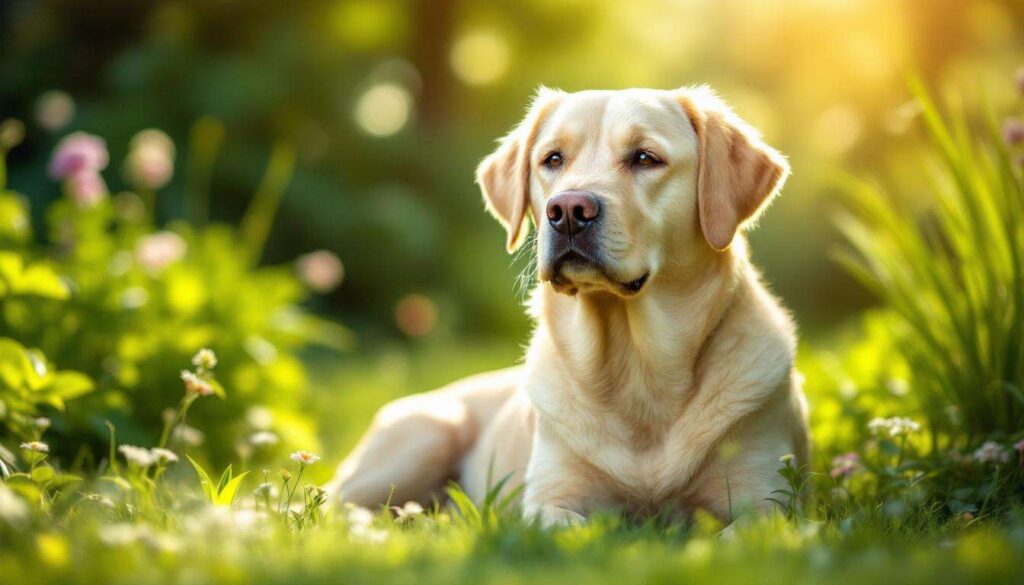
Dogs have long been cherished as loyal companions, offering unwavering friendship and affection to their owners. Whilst some breeds are renowned for their boundless energy and exuberant personalities, others possess a naturally tranquil disposition that makes them particularly appealing to those seeking a more relaxed household atmosphere. Understanding which breeds exhibit calm temperaments can prove invaluable when selecting a canine companion that aligns with your lifestyle, living situation, and personal preferences.
Characteristics of the calmest dogs
Identifying a calm dog involves recognising several distinctive traits that set these breeds apart from their more spirited counterparts. These characteristics encompass both physical attributes and behavioural tendencies that contribute to a peaceful demeanour.
Temperament and personality traits
Calm dogs typically display a relaxed attitude towards daily activities and unexpected situations. They rarely exhibit excessive barking, hyperactivity, or anxiety when left alone for reasonable periods. These breeds tend to be patient, gentle, and adaptable, making them excellent choices for families with children or elderly individuals seeking companionship. Their emotional stability allows them to remain composed during stressful situations, such as veterinary visits or encounters with unfamiliar people and animals.
Energy levels and exercise requirements
Whilst all dogs require regular physical activity, calm breeds generally possess moderate to low energy levels. They are content with leisurely walks rather than demanding intensive exercise routines. These dogs often prefer lounging beside their owners to engaging in prolonged play sessions, though they still benefit from mental stimulation and social interaction.
- Daily walks of 30 to 60 minutes typically suffice
- Preference for gentle activities over vigorous exercise
- Contentment with indoor relaxation periods
- Minimal tendency towards destructive behaviour when understimulated
Understanding these fundamental characteristics provides a foundation for exploring specific breeds that embody these qualities, whether small or large in stature.
Small and quiet dog breeds
Compact canines with peaceful temperaments offer the perfect combination of manageable size and serene disposition, making them particularly suitable for various living arrangements.
Cavalier King Charles Spaniel
This breed exemplifies the ideal lap dog, combining affectionate nature with remarkable calmness. Cavalier King Charles Spaniels adapt seamlessly to their owner’s lifestyle, equally content with gentle walks or quiet evenings indoors. Their patient demeanour makes them exceptional companions for elderly individuals and families with young children.
Shih Tzu
Originally bred as companion dogs for Chinese royalty, Shih Tzus maintain their aristocratic composure in modern homes. These small dogs rarely bark excessively and possess a naturally docile temperament. Their minimal exercise requirements and adaptable personality make them ideal for apartment dwellers seeking a peaceful pet.
French Bulldog
Despite their muscular build, French Bulldogs are remarkably placid creatures. They enjoy short bursts of play followed by extended relaxation periods. Their quiet nature, combined with moderate exercise needs, positions them as excellent choices for urban living environments.
Pug
Pugs possess a charming personality characterised by gentle playfulness and remarkable patience. These compact dogs thrive on human companionship without demanding constant attention or excessive activity. Their even-tempered nature makes them wonderfully adaptable to various household dynamics.
| Breed | Weight Range | Daily Exercise | Noise Level |
|---|---|---|---|
| Cavalier King Charles Spaniel | 5.9–8.2 kg | 30–45 minutes | Low |
| Shih Tzu | 4–7.2 kg | 20–30 minutes | Very Low |
| French Bulldog | 8–14 kg | 30–40 minutes | Low |
| Pug | 6.3–8.1 kg | 30–40 minutes | Moderate |
Whilst these smaller breeds offer numerous advantages, larger dogs can provide equally tranquil companionship with their own unique qualities.
Large dogs known for their serenity
Size does not preclude calmness, as several substantial breeds demonstrate remarkable composure and gentle temperaments that belie their impressive physical presence.
Basset Hound
With their distinctive appearance and laid-back attitude, Basset Hounds embody relaxation. These dogs possess a naturally calm demeanour, preferring leisurely sniffing expeditions to energetic activities. Their patient nature makes them excellent family pets, though their stubbornness may require consistent training.
Great Dane
Often described as gentle giants, Great Danes combine imposing stature with surprisingly docile temperaments. Despite their size, they adapt well to indoor living and display remarkable patience with children. Their calm disposition requires only moderate exercise, making them more manageable than their appearance might suggest.
Newfoundland
Renowned for their sweet-natured personality, Newfoundlands are exceptionally calm and patient dogs. Their protective instincts combine with gentle behaviour, creating ideal family companions. These dogs thrive on companionship and display remarkable tolerance, particularly with young children.
Bernese Mountain Dog
This breed offers a perfect blend of strength and serenity. Bernese Mountain Dogs possess calm, affectionate temperaments and form deep bonds with their families. Their patient nature and moderate energy levels make them wonderful companions for households seeking a larger, peaceful pet.
Clumber Spaniel
The heaviest of the spaniel breeds, Clumber Spaniels maintain a dignified composure that sets them apart. These dogs enjoy moderate activity but are equally content relaxing indoors. Their gentle nature and low-key personality make them excellent choices for those seeking a calm larger breed.
- Basset Hound: 20–29 kg, exceptionally laid-back
- Great Dane: 45–90 kg, gentle despite size
- Newfoundland: 45–70 kg, patient and protective
- Bernese Mountain Dog: 36–50 kg, affectionate and calm
- Clumber Spaniel: 25–39 kg, dignified and relaxed
Selecting the appropriate breed becomes particularly crucial when considering specific living environments, especially confined spaces.
Which calm dogs are ideal for apartment living ?
Urban dwellers face unique challenges when selecting canine companions, requiring breeds that combine peaceful temperaments with adaptability to limited space.
Space considerations and adaptability
Apartment-friendly calm dogs must possess the ability to thrive within confined environments without developing anxiety or destructive behaviours. Breeds that naturally require less physical space and demonstrate contentment with indoor activities prove most suitable. Size alone does not determine suitability; temperament and energy levels play equally important roles.
Recommended breeds for apartments
Several breeds excel in apartment settings due to their inherent calmness and modest space requirements. The Cavalier King Charles Spaniel adapts seamlessly to flat living, whilst French Bulldogs require minimal outdoor space. Shih Tzus and Pugs similarly thrive in compact environments, displaying remarkable contentment with indoor lifestyles.
Among larger breeds, the Basset Hound surprisingly adapts well to apartment living despite its size, provided regular walks are maintained. Great Danes, contrary to expectations, often suit flat living due to their calm indoor demeanour, though adequate space for stretching remains essential.
| Breed | Apartment Suitability | Barking Tendency | Neighbour Friendly |
|---|---|---|---|
| Cavalier King Charles Spaniel | Excellent | Very Low | Yes |
| French Bulldog | Excellent | Low | Yes |
| Shih Tzu | Excellent | Very Low | Yes |
| Basset Hound | Good | Moderate | Yes |
Beyond breed selection, understanding how to evaluate individual dogs and match them to specific household needs ensures successful long-term companionship.
How to choose the best calming companion for your home ?
Selecting the ideal calm dog requires careful consideration of multiple factors beyond breed characteristics, ensuring harmonious integration into your specific living situation.
Assessing your lifestyle and needs
Begin by honestly evaluating your daily routine, available time, and physical capabilities. Consider work schedules, family dynamics, and activity preferences. A calm dog still requires attention, grooming, and veterinary care, so assess your capacity to meet these ongoing responsibilities.
Meeting potential dogs
Individual temperament varies within breeds, making personal interaction essential. Spend time with prospective dogs to observe their behaviour patterns and energy levels. Reputable breeders and rescue organisations can provide valuable insights into each dog’s personality and suitability for your circumstances.
Considering age and training
Adult dogs often display more predictable temperaments than puppies, whose personalities continue developing. Older dogs frequently possess established calm behaviours and may require less intensive training. However, puppies offer the advantage of moulding their behaviour from an early age.
- Evaluate your available time for daily care and exercise
- Consider grooming requirements and associated costs
- Assess compatibility with existing pets and family members
- Research breed-specific health concerns and life expectancy
- Determine your budget for ongoing veterinary care and supplies
Once you’ve selected your calm companion, implementing appropriate environmental strategies helps maintain their peaceful disposition.
Tips to maintain a calm environment with your dog
Creating and preserving a tranquil atmosphere benefits both you and your canine companion, reinforcing naturally calm behaviours whilst preventing anxiety development.
Establishing consistent routines
Dogs thrive on predictability, and regular schedules for feeding, walks, and rest periods promote emotional stability. Consistency reduces anxiety and helps your dog understand expectations, contributing to overall calmness. Maintain similar timing for daily activities whenever possible.
Providing appropriate mental stimulation
Even calm dogs require mental engagement to prevent boredom-related behaviours. Puzzle toys, gentle training sessions, and interactive games provide stimulation without excessive excitement. Balance mental challenges with adequate rest periods to maintain equilibrium.
Creating peaceful spaces
Designate quiet areas where your dog can retreat when seeking solitude or rest. Comfortable bedding in low-traffic locations offers sanctuary from household activity. Respect these spaces by minimising disturbances during rest periods.
Managing environmental factors
Control household noise levels and maintain predictable environments. Sudden loud sounds or chaotic atmospheres can disturb even naturally calm dogs. Consider calming music or white noise to mask disruptive external sounds, particularly in urban settings.
- Maintain consistent daily schedules for all activities
- Provide age-appropriate mental stimulation
- Ensure adequate rest periods throughout the day
- Create designated quiet spaces for relaxation
- Minimise exposure to stressful situations
- Use positive reinforcement for calm behaviours
Selecting a calm dog breed represents an excellent decision for those seeking peaceful companionship. Whether choosing a small breed like the Cavalier King Charles Spaniel or a gentle giant such as the Newfoundland, understanding breed characteristics and individual temperaments ensures successful matches. Apartment dwellers can find suitable options among both small and surprisingly large calm breeds, whilst proper environmental management helps maintain tranquil households. By carefully assessing your lifestyle, meeting potential companions, and implementing consistent routines, you can enjoy the rewarding experience of sharing your home with a serene canine friend.