



Dogs have been bred for centuries to fulfil specific roles, from herding livestock to guarding property and protecting families. Whilst most dogs are gentle companions, certain breeds possess physical characteristics and instincts that, without proper training and socialisation, can pose risks to humans and other animals. Understanding which breeds require experienced handling and why they are considered potentially dangerous helps prospective owners make informed decisions and promotes responsible dog ownership across communities.
The criteria of canine breed dangerousness
Physical strength and bite force
The physical capabilities of a dog play a significant role in assessing potential danger. Breeds with powerful jaws, muscular builds and substantial body weight can inflict severe injuries when they bite or attack. Bite force is measured in pounds per square inch (PSI), and certain breeds possess significantly higher bite forces than others. A dog weighing 45 kilograms with a bite force exceeding 300 PSI can cause catastrophic damage to human tissue, bones and organs.
| Breed | Average weight (kg) | Bite force (PSI) |
|---|---|---|
| Rottweiler | 50-60 | 328 |
| German shepherd | 30-40 | 238 |
| Pitbull | 16-30 | 235 |
| Doberman | 32-45 | 245 |
Breeding history and original purpose
Many breeds now considered dangerous were originally developed for tasks requiring aggression, tenacity and fearlessness. Bull-baiting, dog fighting, military work and property protection all demanded dogs with specific temperamental traits. These genetic predispositions remain present in modern breeding lines, even when dogs are kept as family pets. Understanding a breed’s historical purpose provides insight into potential behavioural challenges owners may face.
Statistical data on attacks and fatalities
Authorities and researchers collect data on dog attacks to identify patterns and inform public safety policies. Certain breeds appear disproportionately in serious attack statistics, though factors such as popularity, ownership demographics and reporting biases must be considered. Fatal dog attacks, whilst rare, often involve specific breeds that combine size, strength and aggressive tendencies when inadequately trained or supervised.
Beyond raw statistics and physical attributes, the behaviour of individual dogs depends heavily on breeding quality, early socialisation and owner expertise, factors that become particularly relevant when examining specific breeds.
The pitbull: a fierce dog or misunderstood ?
The controversy surrounding pitbull-type breeds
The term “pitbull” encompasses several breeds and mixed-breed dogs, including the American pit bull terrier, American Staffordshire terrier and Staffordshire bull terrier. These dogs were historically bred for bull-baiting and later dog fighting, activities that selected for gameness, pain tolerance and tenacity. This heritage has resulted in breed-specific legislation in numerous countries, with some jurisdictions banning ownership entirely whilst others impose strict requirements on keepers.
Temperament and training considerations
Advocates argue that pitbulls are affectionate, loyal companions when properly raised. However, their genetic predisposition towards dog aggression and their powerful build require experienced ownership. Without consistent training, early socialisation and firm boundaries, pitbulls may exhibit problematic behaviours including resource guarding, prey drive towards smaller animals and difficulty reading canine body language during interactions with other dogs.
- High pain tolerance can mask injuries during play or conflict
- Strong prey drive requires careful management around small pets
- Tendency towards dog aggression necessitates supervised interactions
- Powerful bite and tenacious grip style increase injury severity
The debate surrounding pitbulls highlights the complexity of breed dangerousness, as individual temperament varies considerably. Similar considerations apply to other large, powerful breeds with protective instincts.
The rottweiler: loyal ally but potentially dangerous
Historical role as guardian and drover
Rottweilers descend from Roman drover dogs and were refined in the German town of Rottweil to guard livestock and pull carts laden with butchered meat. This heritage created a breed with natural guarding instincts, territorial behaviour and wariness of strangers. Their substantial size, with males often exceeding 50 kilograms, combined with exceptional bite force makes them formidable protectors but also potentially dangerous when improperly managed.
Temperament characteristics and risks
Well-bred rottweilers are confident, calm and devoted to their families. However, poor breeding, inadequate socialisation or defensive ownership can produce dogs with unstable temperaments prone to aggression. Rottweilers mature slowly, with males not reaching full mental maturity until three years of age, requiring patient, consistent training throughout this developmental period.
Their protective nature means rottweilers may perceive normal social interactions as threats to their family, potentially leading to defensive aggression. Children playing roughly, visitors entering the home unexpectedly or strangers approaching family members during walks can trigger protective responses in dogs lacking proper training.
Another breed frequently employed in protection work shares similar challenges regarding proper channelling of natural guarding instincts.
The german shepherd: service dog with protective instincts
Versatility and working capabilities
German shepherds rank amongst the most versatile working breeds, excelling in police work, military operations, search and rescue, and assistance dog roles. Their intelligence, trainability and strong work ethic make them exceptional service animals, yet these same qualities require dedicated training and mental stimulation to prevent behavioural problems.
Potential for protective aggression
The breed was developed to herd and protect sheep from predators, creating dogs with natural suspicion of strangers and strong territorial instincts. Without proper socialisation, german shepherds may become overly protective, reactive to unfamiliar people or animals, and difficult to manage in public spaces. Their athleticism, speed and powerful bite mean that aggressive incidents can result in serious injuries.
- High energy levels require substantial daily exercise
- Intelligence demands mental stimulation to prevent destructive behaviour
- Strong herding instinct may manifest as nipping at children or other pets
- Protective nature requires careful socialisation with visitors and strangers
Like german shepherds, another breed developed for protection work combines intelligence with assertive temperament, requiring knowledgeable handling.
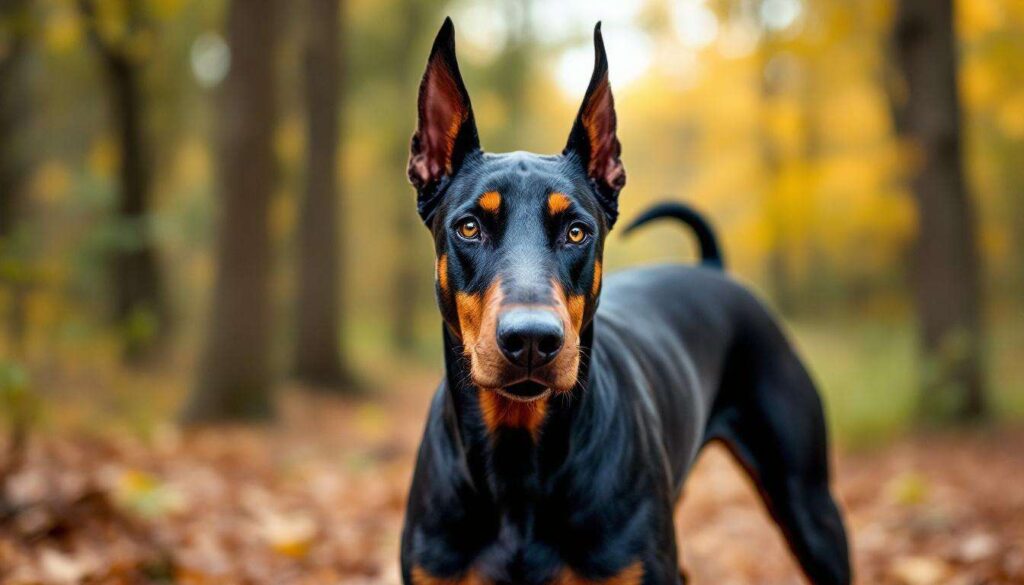
The doberman: protector with an assertive temperament
Development as a personal protection breed
Karl Friedrich Louis Dobermann created this breed in late 19th-century Germany, seeking an intimidating yet loyal companion for his work as a tax collector. The doberman was purpose-bred for personal protection, combining speed, intelligence, fearlessness and loyalty. This focused breeding created a dog with natural guarding instincts and wariness of strangers, traits that persist in modern lines.
Training requirements and temperament
Dobermans are highly intelligent and form intense bonds with their families, making them excellent companions for experienced owners. However, their assertive temperament and sensitivity mean they respond poorly to harsh training methods or inconsistent handling. These dogs require confident leadership, clear boundaries and extensive socialisation to develop into stable, trustworthy companions.
Without adequate mental stimulation and physical exercise, dobermans may develop anxiety, destructive behaviour or aggression. Their athletic build and powerful bite mean that behavioural problems can quickly become dangerous situations, particularly when protective instincts are triggered inappropriately.
Recognising the challenges these breeds present leads naturally to considering what measures owners must take to ensure safety.
Precautions when handling these powerful dogs
Essential training and socialisation
Owners of powerful breeds must prioritise professional training from puppyhood. Early socialisation between 8 and 16 weeks is critical for developing confidence and appropriate responses to various stimuli. Positive reinforcement methods build trust whilst establishing clear boundaries and expectations.
- Enrol in puppy socialisation classes with qualified instructors
- Expose dogs gradually to diverse people, animals and environments
- Teach reliable recall, impulse control and basic obedience commands
- Continue training throughout the dog’s life to maintain skills
Secure containment and supervision
Powerful breeds require secure fencing, reinforced gates and supervised outdoor time. Never leave these dogs unsupervised with children, unfamiliar adults or other animals. Insurance policies often exclude certain breeds or require additional coverage, and some jurisdictions mandate muzzling in public spaces or restrict ownership entirely.
Responsible breeding and acquisition
Prospective owners should research breeders thoroughly, seeking those who health test, temperament test and carefully select breeding pairs. Avoid purchasing from puppy farms, pet shops or breeders who cannot provide health clearances and pedigree information. Rescue organisations specialising in specific breeds can match experienced owners with suitable dogs whilst providing ongoing support and guidance.
Whilst certain breeds possess characteristics that increase potential danger, responsible ownership, proper training and realistic assessment of one’s capabilities significantly reduce risks. No breed is inherently evil, yet some require expertise, commitment and resources that not all prospective owners possess. Understanding breed characteristics, respecting their power and investing in professional training creates safer communities whilst allowing these magnificent dogs to thrive as the loyal companions they were bred to be.