


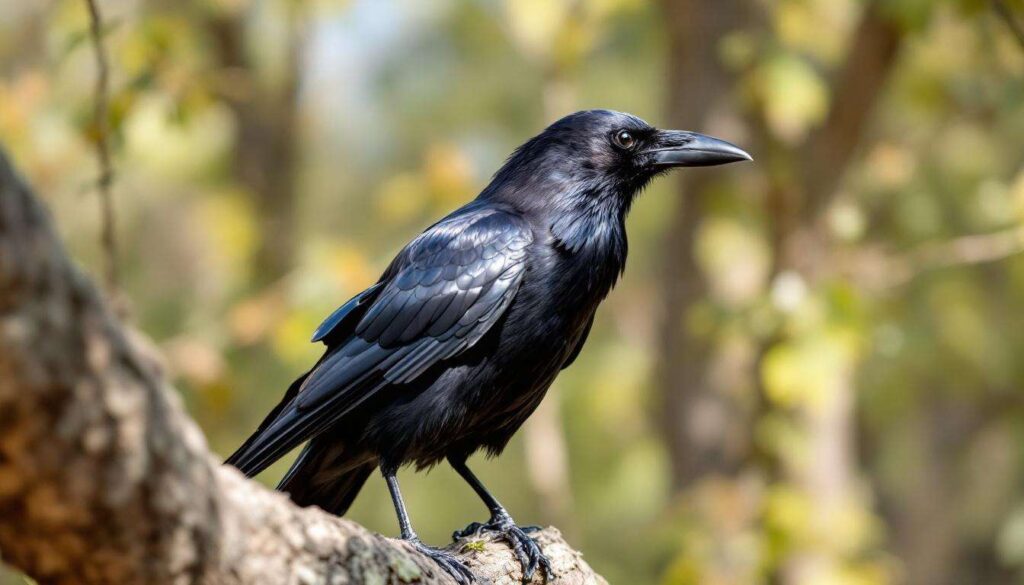
Crows have long captured human imagination with their intelligence and adaptability, yet their lifespan remains a subject of considerable curiosity. These remarkable corvids demonstrate impressive longevity compared to many other bird species of similar size. Understanding how long crows live requires examining various factors, from species differences to environmental conditions. Research indicates that whilst wild crows face numerous challenges that can shorten their lives, those in protected environments often survive significantly longer. The life expectancy of these birds varies considerably depending on species, habitat quality, and human interaction.
Crows’ life expectancy: a surprising longevity
Average lifespan in the wild
Crows in their natural habitat typically live between 7 to 8 years, though this figure represents only those individuals that survive the vulnerable juvenile period. The first year of life proves particularly challenging, with mortality rates reaching high levels due to predation, food scarcity, and inexperience. Those crows that successfully navigate their first year demonstrate significantly improved survival prospects.
Wild crow populations show considerable variation in lifespan based on environmental pressures:
- Urban crows often survive longer due to consistent food availability
- Rural populations face greater predation risks
- Coastal crows benefit from diverse food sources
- Mountain-dwelling populations encounter harsher seasonal challenges
Longevity in protected environments
Crows living in captivity or protected settings demonstrate remarkable longevity, frequently reaching ages of 20 years or more. The oldest recorded crow in captivity lived to approximately 59 years, showcasing the species’ potential lifespan when threats are minimised. This dramatic difference between wild and protected environments highlights how external pressures significantly impact survival rates.
| Environment | Average Lifespan | Maximum Recorded Age |
|---|---|---|
| Wild | 7-8 years | 14-20 years |
| Captivity | 20-30 years | 59 years |
These variations in lifespan naturally lead to questions about what specific elements determine how long individual crows survive.
Factors influencing crows’ lifespan
Genetic and biological factors
Genetic predisposition plays a crucial role in determining individual crow longevity. Birds with robust immune systems and favourable genetic traits demonstrate enhanced survival capabilities. The metabolic rate of crows, which is relatively slow for their body size, contributes to their extended lifespan compared to other similarly sized birds.
Environmental and dietary influences
Access to consistent, nutritious food sources dramatically affects crow lifespan. These opportunistic omnivores adapt their diet based on availability, which influences their overall health and longevity. Crows consuming varied diets rich in proteins, fats, and essential nutrients exhibit better health outcomes.
Key dietary factors include:
- Protein availability from insects and carrion
- Access to nuts and seeds for essential fats
- Fruit and vegetable matter for vitamins
- Human food waste in urban environments
Social structure and learning
Crows’ complex social networks significantly impact survival rates. Young crows learn vital survival skills from older, experienced birds, including predator avoidance, food location, and safe roosting sites. This cultural transmission of knowledge provides younger generations with advantages that directly translate to increased lifespan.
Beyond these general factors, different crow species exhibit distinct longevity patterns worth exploring.
Longevity differences among crow species
Common crow species comparison
The American crow (Corvus brachyrhynchos) typically lives 7-8 years in the wild, with exceptional individuals reaching 14-17 years. Meanwhile, the carrion crow (Corvus corone) found across Europe demonstrates similar patterns, though urban populations often exceed these averages.
| Species | Wild Lifespan | Notable Characteristics |
|---|---|---|
| American Crow | 7-8 years | Highly adaptable to urban settings |
| Carrion Crow | 6-10 years | Solitary or paired behaviour |
| Hooded Crow | 8-12 years | Distinctive grey plumage |
Ravens and larger corvids
The common raven (Corvus corax), whilst technically not a crow, deserves mention as it represents the larger end of the corvid family. Ravens demonstrate considerably longer lifespans, often reaching 10-15 years in the wild and exceeding 20 years in captivity. Their larger size and increased cognitive abilities contribute to enhanced survival strategies.
Understanding these species-specific differences naturally connects to examining how their chosen habitats influence these longevity patterns.
Habitat and impact on crows’ lifespan
Urban versus rural environments
Urban crows frequently demonstrate extended lifespans compared to their rural counterparts. Cities provide consistent food sources, reduced predation pressure, and often milder winter conditions. However, urban environments also present unique challenges including vehicle collisions, poisoning risks, and disease transmission in dense populations.
Urban advantages include:
- Year-round food availability from human sources
- Fewer natural predators
- Warmer microclimates reducing winter mortality
- Protected roosting sites on buildings
Climate and seasonal variations
Crows inhabiting temperate regions face seasonal challenges that impact survival rates. Harsh winters with limited food availability test even the most adaptable individuals. Conversely, crows in milder climates often exhibit improved longevity due to consistent resource availability throughout the year.
These habitat considerations intersect with various threats that crows must navigate throughout their lives.
Threats and challenges to crows’ survival
Natural predators and diseases
Despite their intelligence, crows face numerous predators including hawks, owls, and eagles. Nestlings and fledglings prove particularly vulnerable, with predation accounting for significant juvenile mortality. Disease outbreaks, particularly West Nile virus, have devastated crow populations in certain regions, dramatically reducing local lifespans.
Human-related threats
Human activities present both direct and indirect threats to crow populations. Vehicle strikes, pesticide exposure, and deliberate persecution all contribute to reduced lifespans. Agricultural practices sometimes target crows as pests, leading to population control measures that impact overall longevity statistics.
Primary human-related risks include:
- Road traffic accidents in urban and suburban areas
- Secondary poisoning from rodenticides
- Habitat destruction reducing nesting sites
- Shooting and trapping in agricultural regions
Recognising these threats has prompted various conservation initiatives aimed at protecting crow populations.
Crow preservation and conservation strategies
Protection measures and legislation
Many regions have implemented protective legislation for corvid species, recognising their ecological importance. The Migratory Bird Treaty Act in North America provides legal protection for crows, whilst European directives offer varying levels of safeguarding. These legal frameworks help ensure sustainable populations by regulating hunting and persecution.
Habitat conservation and public awareness
Conservation efforts increasingly focus on habitat preservation and public education. Maintaining diverse ecosystems that support crow populations benefits entire food webs. Educational programmes highlighting crows’ intelligence and ecological roles help shift public perception from viewing them as pests to recognising their value.
Effective conservation strategies encompass:
- Preserving mature trees for nesting sites
- Reducing pesticide use in agricultural areas
- Creating wildlife corridors connecting habitats
- Monitoring disease outbreaks and population trends
Crows demonstrate remarkable adaptability and intelligence, with lifespans varying dramatically between wild and protected environments. Whilst most wild crows live 7-8 years, individuals in optimal conditions can survive two decades or more. Species differences, habitat quality, and human interaction all significantly influence longevity. Urban environments often provide advantages through consistent food sources, though they introduce unique hazards. Natural threats including predation and disease combine with human-related challenges to shape survival rates. Conservation efforts focusing on habitat protection and legal safeguards help ensure these intelligent birds continue thriving. Understanding crow longevity provides insights into broader ecosystem health and the complex relationship between wildlife and human-modified landscapes.