



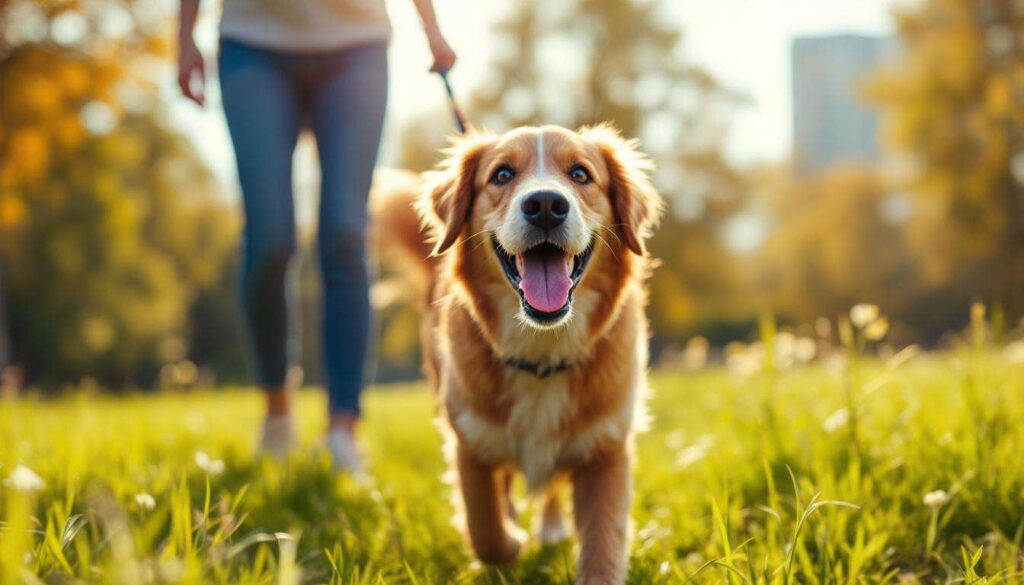
Every dog owner knows the familiar sight of their canine companion waiting eagerly by the door, lead in mouth, ready for their daily outing. Yet the question of how much walking time genuinely contributes to a dog’s health and happiness remains surprisingly complex. The answer depends on numerous factors, from breed characteristics to individual temperament, and understanding these variables can transform a routine obligation into a genuinely enriching experience for both dog and owner. Getting the duration right matters more than many people realise, as insufficient exercise can lead to behavioural problems whilst excessive activity may cause physical strain.
The importance of a regular walk for your dog
Essential physical exercise requirements
Dogs are naturally active creatures whose ancestors covered significant distances daily whilst hunting and patrolling territory. Modern domestic dogs retain this fundamental need for movement, regardless of their current lifestyle. Regular walking provides the cardiovascular exercise necessary to maintain healthy weight, muscle tone and joint flexibility. Without adequate physical activity, dogs face increased risks of obesity, diabetes and musculoskeletal problems that can significantly reduce their quality of life and lifespan.
Psychological wellbeing through routine
Beyond the physical aspects, walks serve crucial psychological functions. Dogs thrive on predictable routines, and consistent walking schedules provide structure and security within their daily lives. The anticipation of a walk gives dogs something positive to focus on, reducing anxiety and destructive behaviours that often stem from boredom or frustration. Regular outings also prevent the development of cabin fever, which can manifest as excessive barking, furniture chewing or aggression towards household members.
Social interaction opportunities
Walks facilitate essential socialisation experiences that keep dogs mentally balanced and socially competent. During outings, dogs encounter:
- Other dogs and animals, maintaining their social skills
- Various people of different ages and appearances
- Novel sounds, sights and smells that stimulate cognitive function
- Different environments that build confidence and adaptability
These varied experiences during walks help prevent the development of fear-based behaviours and ensure dogs remain well-adjusted members of society. The sensory stimulation alone provides mental enrichment that cannot be replicated indoors, regardless of how many toys or activities are available at home.
Understanding why walks matter naturally leads to the question of determining appropriate distances for different dogs.
How far to walk for your dog’s wellbeing
General guidelines for walking distances
Most veterinarians and canine behaviourists recommend a minimum of 30 minutes of walking per day for average adult dogs, though this represents a baseline rather than an ideal. Active breeds typically require 60 to 90 minutes daily, whilst some working breeds may need up to two hours of vigorous exercise to remain content. These durations can be split into multiple walks rather than one extended outing, which often suits both dogs and owners better.
| Dog Size Category | Minimum Daily Duration | Recommended Distance |
|---|---|---|
| Small breeds (under 10kg) | 30-45 minutes | 2-3 kilometres |
| Medium breeds (10-25kg) | 45-60 minutes | 3-5 kilometres |
| Large breeds (25-45kg) | 60-90 minutes | 5-8 kilometres |
| Giant breeds (over 45kg) | 45-75 minutes | 4-6 kilometres |
Quality versus quantity considerations
Duration alone does not determine a walk’s effectiveness. A 20-minute walk with varied terrain, sniffing opportunities and mental engagement often provides more benefit than an hour of monotonous pavement trudging. Dogs process their environment primarily through scent, and allowing adequate sniffing time transforms a simple walk into a rich sensory experience that provides substantial mental stimulation alongside physical exercise.
The intensity of the walk also matters considerably. A leisurely stroll provides minimal cardiovascular benefit compared to a brisk walk that elevates the dog’s heart rate appropriately. Including elements such as hill climbing, varied surfaces and occasional running intervals can significantly enhance the physical benefits within shorter timeframes.
However, these general recommendations require significant adjustment based on individual characteristics.
Adapting the walk’s duration to the dog’s breed and age
Breed-specific exercise needs
Different breeds were developed for vastly different purposes, resulting in dramatically varied exercise requirements. Working breeds such as Border Collies, German Shepherds and Labrador Retrievers possess seemingly boundless energy and require substantial daily exercise to prevent behavioural problems. Conversely, brachycephalic breeds like Bulldogs and Pugs have compromised respiratory systems that make extended walks potentially dangerous, particularly in warm weather.
Toy breeds often tire more quickly due to their small stature, though they still require regular outings. Sighthounds like Greyhounds present an interesting paradox: whilst capable of impressive speed, many are surprisingly sedentary and content with moderate walking supplemented by occasional opportunities to sprint in secure areas.
Age-related modifications
Puppies require careful exercise management to avoid damage to developing joints and growth plates. The general rule suggests five minutes of exercise per month of age, twice daily, meaning a four-month-old puppy should have approximately 20 minutes of walking twice per day. Exceeding these guidelines risks long-term orthopaedic problems, particularly in large and giant breeds prone to hip dysplasia.
Senior dogs need continued exercise to maintain mobility and mental sharpness, but their walks should be adjusted for reduced stamina and potential arthritis. Shorter, more frequent walks often suit older dogs better than single extended outings. Monitoring for signs of fatigue or discomfort becomes increasingly important as dogs age.
Individual health considerations
Medical conditions significantly impact appropriate walking durations. Dogs with heart conditions, respiratory issues or joint problems require veterinary guidance regarding safe exercise levels. Overweight dogs need gradually increased activity rather than sudden intensive exercise, which could strain their cardiovascular system or joints. Building fitness takes time and patience, with duration and intensity increasing progressively over weeks or months.
These physical considerations work alongside the numerous health benefits that appropriate walking provides.
The physical and mental benefits of walking for dogs
Cardiovascular and metabolic health
Regular walking strengthens the heart muscle, improves circulation and enhances overall cardiovascular efficiency. Dogs who walk regularly maintain healthier body weights, reducing strain on joints and organs whilst decreasing the likelihood of developing diabetes and other metabolic disorders. The consistent physical activity also promotes better digestive function and more regular elimination patterns.
Musculoskeletal advantages
Walking maintains muscle mass and tone throughout a dog’s body, supporting proper posture and movement. The weight-bearing nature of walking strengthens bones and helps maintain joint flexibility, particularly important for preventing or managing arthritis. Different walking surfaces provide varied resistance and impact levels, contributing to balanced physical development and maintenance.
Cognitive stimulation and mental health
The mental benefits of walking rival the physical advantages. Each walk presents countless novel stimuli that engage a dog’s brain:
- Scent trails from other animals requiring investigation and interpretation
- Environmental changes demanding attention and assessment
- Problem-solving opportunities when navigating obstacles or terrain
- Social interactions requiring appropriate behavioural responses
This cognitive engagement helps prevent mental decline in senior dogs and reduces anxiety and stress across all ages. Dogs who receive adequate mental stimulation through walks display fewer compulsive behaviours and generally exhibit calmer dispositions at home.
Behavioural improvements
Adequate exercise through walking directly correlates with improved behaviour. Dogs who receive sufficient physical and mental stimulation are less likely to develop destructive habits, excessive vocalisation or aggression. The energy expenditure during walks reduces hyperactivity and promotes better sleep patterns, creating a more harmonious household environment.
Yet the location and setting of walks significantly influence how effectively these benefits materialise.
The impact of the environment on the quality of the walk
Urban versus rural walking experiences
City walks expose dogs to high levels of stimulation through traffic, crowds and concentrated scents, which can be mentally enriching but potentially overwhelming for anxious dogs. Urban environments require constant vigilance regarding hazards such as broken glass, discarded food and aggressive dogs. However, cities offer advantages including well-maintained pavements, lighting for evening walks and numerous route variations.
Rural and natural environments provide richer sensory experiences with diverse scents, wildlife encounters and varied terrain. These settings allow for off-lead exercise where appropriate, giving dogs freedom to explore and engage their natural behaviours more fully. The reduced stress from traffic and crowds benefits nervous dogs considerably.
Surface variety and terrain
Walking exclusively on pavement provides limited physical challenge and can be harsh on joints over time. Incorporating different surfaces enhances the walk’s benefits:
- Grass provides cushioning and cooling for paws
- Sand builds leg strength through increased resistance
- Forest paths offer natural obstacles and varied textures
- Gravel improves paw pad toughness and provides nail filing
Hills and inclines significantly increase cardiovascular workout intensity without extending duration, making them valuable for time-constrained owners of high-energy dogs.
Weather and seasonal considerations
Environmental conditions dramatically affect walk quality and safety. Hot weather poses serious risks, particularly for brachycephalic breeds, thick-coated dogs and those unaccustomed to heat. Pavement temperatures can severely burn paw pads when air temperature exceeds 25°C. Early morning or evening walks become essential during summer months.
Cold weather requires different precautions, with small, thin-coated or elderly dogs potentially needing protective clothing. Ice presents slip hazards, whilst salt and de-icing chemicals can irritate paws. Adjusting walk timing and duration according to weather ensures safety whilst maintaining exercise consistency.
Armed with this environmental awareness, owners can implement strategies to maximise every outing’s value.
Tips to maximise the efficiency of canine walks
Incorporating training and engagement
Transforming walks into training opportunities multiplies their benefits without extending duration. Practising commands such as heel, sit and stay during walks reinforces obedience whilst providing mental stimulation. Varying the route prevents walks from becoming monotonous routines that offer minimal cognitive challenge. Allowing dogs to choose directions occasionally gives them agency and increases their engagement with the experience.
Optimising sniffing opportunities
Resisting the urge to constantly pull dogs along allows them to gather environmental information through scent, which provides substantial mental enrichment. Designating specific “sniff zones” where dogs can investigate thoroughly satisfies this need whilst maintaining reasonable walking pace during other portions. Research suggests that sniffing activities can be as mentally tiring as physical exercise, making them particularly valuable for dogs with physical limitations.
Social interaction management
Facilitating appropriate interactions with other dogs during walks provides social enrichment, though not every encounter should result in play. Teaching dogs to politely acknowledge other animals without demanding interaction prevents frustration and maintains walk momentum. For reactive or anxious dogs, gradually increasing proximity to triggers whilst rewarding calm behaviour helps build confidence over time.
Equipment and preparation
Proper equipment enhances walk quality and safety. Well-fitted harnesses distribute pressure more evenly than collars, particularly beneficial for dogs who pull. Long leads allow greater exploration whilst maintaining control. Carrying essentials improves the experience:
- Water for hydration during extended walks
- Waste bags for responsible ownership
- Treats for training and positive reinforcement
- Basic first aid supplies for minor injuries
Planning routes in advance, particularly when exploring new areas, prevents getting lost and ensures appropriate distance and terrain for the individual dog’s capabilities.
The question of walk duration ultimately has no single answer applicable to all dogs. Individual needs vary enormously based on breed, age, health status and temperament. What remains constant is that regular, appropriately structured walks form an indispensable component of responsible dog ownership. Whether 30 minutes or two hours, the key lies in consistency, quality and adaptation to the specific dog’s requirements. Observing your dog’s behaviour, energy levels and overall wellbeing provides the most reliable guidance for determining whether their walking routine truly meets their needs. A well-exercised dog demonstrates contentment through calm household behaviour, healthy physical condition and enthusiastic engagement with their environment.