

Every dog owner faces the same dilemma after returning from a muddy walk or a romp through the park. Those adorable paws that bound happily through puddles and across pavements now threaten to track dirt, bacteria, and who knows what else across your freshly cleaned floors. But is wiping down your dog’s paws after every outing truly necessary, or is it an overreaction to a minor inconvenience ? The answer lies somewhere between hygiene concerns, your dog’s health, and practical considerations that vary from one household to another.
Why clean your dog’s paws after a walk
Protecting your home environment
The most obvious reason for cleaning your dog’s paws relates to household cleanliness. Dogs walk through environments that harbour various contaminants, and their paws act as efficient collectors of debris. Consider what your pet encounters during a typical walk:
- Mud and dirt from unpaved surfaces
- Chemical residues from treated lawns and gardens
- Salt and de-icing agents during winter months
- Bacteria from animal waste
- Allergens including pollen and dust
These substances transfer directly onto your carpets, furniture, and floors when your dog enters your home. For households with young children who play on the floor or family members with compromised immune systems, this presents genuine health considerations beyond mere aesthetics.
Supporting your dog’s wellbeing
Paw cleaning benefits your dog as much as your home. Dogs instinctively lick their paws, which means any harmful substances clinging to their feet can be ingested. Regular cleaning removes potentially toxic materials before your pet has the chance to consume them. Additionally, the cleaning process provides an opportunity to inspect paws for injuries, embedded objects, or signs of irritation that might otherwise go unnoticed until they develop into more serious problems.
Understanding these fundamental reasons naturally leads to examining what happens when paw hygiene is neglected.
The risks associated with dirty paws
Health hazards for your dog
Neglecting paw hygiene exposes your dog to several preventable health issues. Chemical irritants from pesticides, herbicides, and road salt can cause contact dermatitis, leading to inflammation, cracking, and painful sores between the paw pads. During winter, ice-melting products containing calcium chloride or sodium chloride are particularly problematic, causing chemical burns if left on the skin.
Foreign objects present another significant concern. Small stones, thorns, glass fragments, or burrs can become lodged between toes or in paw pads. Without prompt removal, these can cause infections or abscesses requiring veterinary intervention. Bacterial and fungal infections also thrive in the warm, moist environment between paw pads, especially when dirt accumulates and is not regularly cleaned away.
Household contamination concerns
The contamination your dog brings indoors extends beyond visible dirt. Research has demonstrated that dog paws can harbour numerous pathogens, including:
| Pathogen Type | Common Examples | Potential Impact |
|---|---|---|
| Bacteria | E. coli, Salmonella | Gastrointestinal illness |
| Parasites | Giardia, roundworm eggs | Parasitic infections |
| Fungi | Ringworm spores | Skin infections |
These microorganisms can survive on surfaces for extended periods, creating ongoing exposure risks for household members. Young children, elderly individuals, and those with weakened immune systems face the greatest vulnerability to these pathogens.
Recognising these risks makes implementing an effective cleaning routine essential for responsible pet ownership.
How to effectively clean your dog’s paws
Quick cleaning techniques for daily use
Establishing a consistent paw-cleaning routine need not be time-consuming. For routine maintenance after ordinary walks, a simple approach works well. Keep a dedicated towel or microfibre cloth near your entrance specifically for this purpose. Gently wipe each paw, paying particular attention to the spaces between toes and paw pads where debris accumulates most readily.
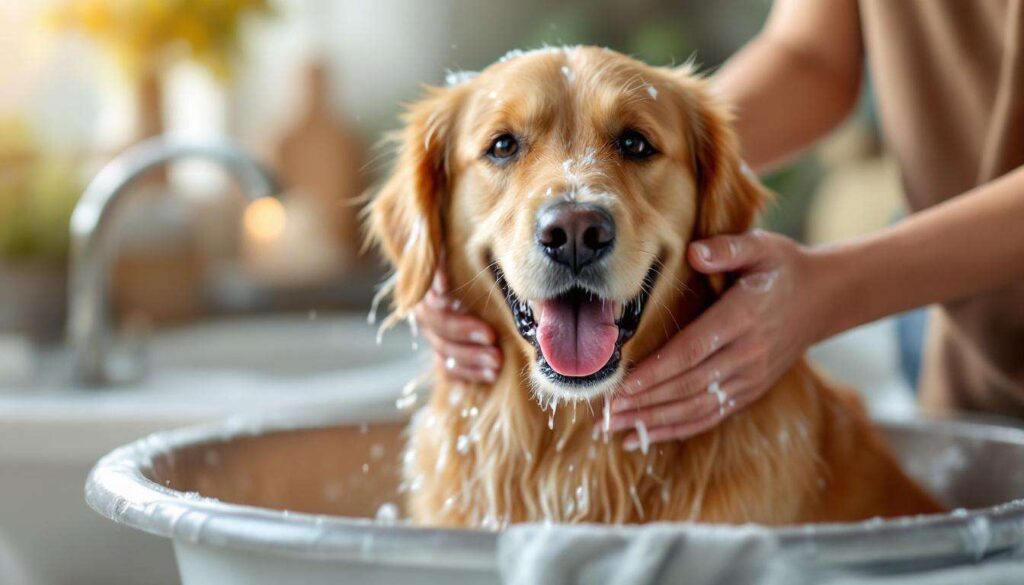
For slightly dirtier paws, a shallow basin filled with lukewarm water provides an effective solution. Guide each paw into the water, gently agitate to loosen dirt, then dry thoroughly with an absorbent towel. The entire process takes less than two minutes once both you and your dog become accustomed to the routine.
Deep cleaning for heavily soiled paws
After walks through particularly muddy or contaminated areas, more thorough cleaning becomes necessary. Use a mild, dog-safe cleanser diluted in warm water. Apply the solution with a soft brush or cloth, working it gently between toes and around paw pads. Rinse thoroughly to remove all soap residue, as leftover cleanser can cause irritation or dryness.
Key steps for thorough paw cleaning include:
- Inspect each paw for cuts, foreign objects, or signs of irritation
- Trim excess fur between paw pads to reduce dirt accumulation
- Clean between each toe individually
- Dry completely, especially between toes, to prevent fungal growth
- Apply a protective balm if pads appear dry or cracked
Having the right products on hand makes implementing these techniques considerably easier.
Recommended products for paw cleaning
Commercial paw cleaning solutions
The pet care market offers numerous purpose-designed products for paw maintenance. Paw cleaning cups provide a convenient option, featuring soft silicone bristles that clean between toes as you insert and gently twist the paw. These portable devices work particularly well for medium to large dogs and require minimal water.
Pre-moistened paw wipes offer ultimate convenience for quick clean-ups. Look for products formulated specifically for dogs, avoiding human wet wipes that may contain ingredients irritating to canine skin. Quality paw wipes contain gentle cleansers, moisturisers, and sometimes antibacterial agents to address hygiene concerns whilst maintaining paw pad health.
Essential cleaning supplies
Building an effective paw care kit requires only a few basic items. Microfibre towels excel at absorbing moisture and trapping dirt particles. Keep several dedicated towels to ensure clean ones are always available. A shallow basin or bucket designated solely for paw cleaning prevents cross-contamination with items used for other purposes.
For dogs resistant to paw handling, a non-slip mat provides stability and reduces anxiety during the cleaning process. Soft-bristled brushes designed for sensitive skin help remove stubborn dirt without causing discomfort. Finally, a quality paw balm protects and moisturises paw pads, particularly important during extreme weather conditions.
However, effective paw care need not rely exclusively on commercial products.
Natural alternatives for caring for your dog’s paws
Homemade cleaning solutions
Simple household ingredients create effective, economical paw cleaning solutions. A mixture of warm water with a small amount of apple cider vinegar provides gentle cleansing with mild antibacterial properties. Use a ratio of approximately one tablespoon of vinegar per cup of water. This solution works well for routine cleaning whilst helping to balance skin pH.
For dogs with sensitive skin, plain lukewarm water often suffices for daily paw maintenance. The mechanical action of wiping or rinsing removes most contaminants without introducing potentially irritating substances. Reserve stronger cleaning solutions for situations involving obvious chemical contamination or particularly stubborn dirt.
Natural moisturising options
Several natural products effectively moisturise and protect paw pads. Coconut oil provides excellent conditioning properties and possesses mild antimicrobial characteristics. Apply a small amount to clean, dry paws, massaging gently into pads and between toes. Shea butter and vitamin E oil offer similar benefits, creating a protective barrier against environmental irritants.
Natural options for paw protection include:
- Beeswax-based balms for extreme weather protection
- Olive oil for mild moisturising
- Aloe vera gel for soothing irritated paws
- Calendula cream for healing minor abrasions
These natural approaches raise the broader question of whether paw cleaning should become a standard practice.
Cleaning paws: a habit to adopt ?
Factors influencing the necessity of regular cleaning
The answer to whether you should always clean your dog’s paws depends on multiple variables. Consider your walking environment: urban areas with heavy traffic, chemical treatments, and higher contamination levels necessitate more vigilant paw hygiene than rural settings with predominantly natural surfaces. Seasonal factors also matter, with winter salt and summer pesticides presenting specific concerns.
Your household situation influences this decision significantly. Homes with vulnerable individuals, those who allow dogs on furniture, or households maintaining particularly high cleanliness standards benefit most from consistent paw cleaning. Conversely, if your dog primarily walks on clean, natural surfaces and remains off furniture, occasional cleaning may suffice.
Establishing a practical routine
Rather than adopting an all-or-nothing approach, develop a flexible paw care routine matching your circumstances. At minimum, perform a quick visual inspection after every walk, wiping paws when obviously dirty or after exposure to potentially harmful substances. Conduct more thorough cleaning weekly or following walks in particularly contaminated areas.
Training your dog to accept paw handling from an early age makes this routine significantly easier. Use positive reinforcement, offering treats and praise during paw cleaning sessions. Gradually increase duration as your dog becomes comfortable with the process. A well-trained dog will eventually present paws voluntarily, transforming what might be a struggle into a bonding opportunity.
The key lies in finding a sustainable balance between protecting your dog’s health, maintaining household hygiene, and respecting the practical realities of daily life with a canine companion. Regular paw inspection combined with cleaning when genuinely necessary provides adequate protection without becoming an onerous chore. By understanding the genuine risks, implementing appropriate techniques, and establishing consistent habits, you can ensure your dog’s paws remain healthy whilst keeping your home reasonably clean. The decision ultimately rests on your specific circumstances, but informed awareness allows you to make choices that best serve both your pet’s wellbeing and your household’s needs.