



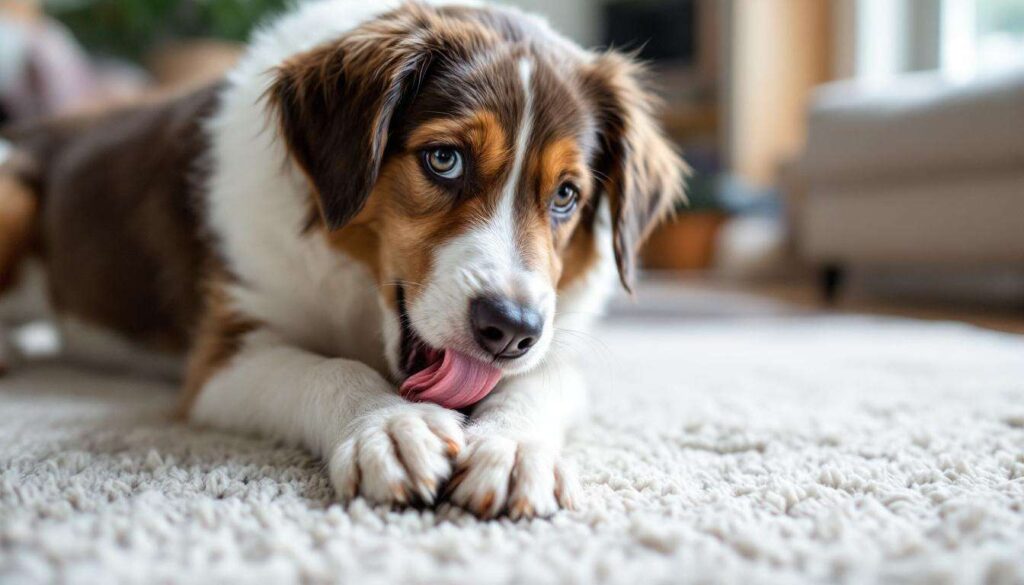
Many dog owners have observed their beloved companions engaging in persistent paw licking behaviour, often wondering whether this habit signals a serious problem or merely a harmless quirk. This repetitive action can range from occasional grooming to obsessive behaviour that causes redness, inflammation, and even injury to the paws. Understanding the underlying reasons behind this conduct is essential for ensuring your dog’s wellbeing and addressing any potential health concerns before they escalate into more significant complications.
Common causes of paw licking in dogs
Environmental irritants and foreign objects
Dogs frequently lick their paws due to environmental factors that cause discomfort or irritation. Walking on hot pavements, icy surfaces, or chemically treated lawns can trigger this response as the animal attempts to soothe the affected area. Small foreign objects such as thorns, splinters, grass seeds, or pebbles may become lodged between the toes or paw pads, prompting the dog to lick persistently in an effort to remove the irritant.
Injuries and physical trauma
Physical injuries represent another frequent cause of paw licking behaviour. These may include:
- Cuts or abrasions from sharp objects
- Burns from hot surfaces or chemicals
- Broken or torn nails
- Insect bites or stings
- Bruising from impact or excessive exercise
When dogs experience pain or discomfort in their paws, their natural instinct is to lick the affected area, which provides temporary relief and helps clean the wound. However, excessive licking can delay healing and introduce bacteria, potentially leading to secondary infections.
Parasites and fungal infections
Parasitic infestations, particularly fleas, ticks, and mites, can cause intense itching that drives dogs to lick their paws obsessively. Similarly, fungal infections such as yeast overgrowth thrive in the warm, moist environment between the toes, creating discomfort that the dog attempts to alleviate through licking. These conditions often worsen during humid weather or in dogs with compromised immune systems.
Recognising the specific cause requires careful observation of your dog’s behaviour and physical examination of the paws, which leads naturally to identifying more serious health concerns that may manifest through this symptom.
Signs of underlying health issues
Visible symptoms requiring attention
Several physical indicators suggest that paw licking stems from a medical condition rather than simple grooming. Pet owners should watch for the following warning signs:
| Symptom | Possible indication |
|---|---|
| Redness or swelling | Inflammation or infection |
| Discolouration of fur | Excessive licking or yeast infection |
| Foul odour | Bacterial or fungal infection |
| Limping or favouring one paw | Injury or arthritis |
| Hair loss around paws | Chronic licking or skin condition |
Systemic conditions manifesting through paw licking
Certain systemic health problems can manifest through compulsive paw licking behaviour. Hormonal imbalances, including hypothyroidism and Cushing’s disease, may cause skin changes that lead to increased licking. Joint pain from arthritis can also prompt dogs to lick their paws, particularly in older animals experiencing discomfort in their limbs. Additionally, autoimmune disorders affecting the skin may present with paw licking as an early symptom.
Understanding these broader health implications helps pet owners recognise when paw licking indicates more than a localised problem, particularly when considering the role of dietary factors in canine health.
Allergies and food sensitivities
Environmental allergies
Dogs suffer from environmental allergies similarly to humans, with pollen, dust mites, mould, and grass triggering allergic reactions. These allergens often affect the paws because dogs walk through contaminated areas and then lick their feet, creating a cycle of irritation. Seasonal patterns in licking behaviour frequently indicate environmental allergies, with symptoms worsening during spring and autumn when pollen counts peak.
Food allergies and intolerances
Dietary sensitivities represent a significant cause of paw licking in many dogs. Common food allergens include:
- Beef and dairy products
- Chicken and eggs
- Wheat and other grains
- Soy products
- Certain fish varieties
When dogs develop food allergies, their immune system overreacts to specific proteins, causing inflammation throughout the body. The paws, along with the ears and face, become particularly affected, leading to intense itching and subsequent licking. Unlike environmental allergies, food-related sensitivities typically cause year-round symptoms that do not fluctuate with seasons.
Contact allergies
Some dogs develop allergic reactions to substances their paws directly contact, such as cleaning products, lawn treatments, de-icing salts, or certain types of flooring materials. These contact allergies create localised irritation specifically on the paws, making them distinct from systemic allergic reactions.
While allergies represent physical triggers for paw licking, psychological factors can prove equally influential in driving this behaviour.
Behavioural problems and stress
Anxiety and compulsive disorders
Dogs experiencing anxiety or stress may develop compulsive behaviours, including excessive paw licking, as a coping mechanism. This psychological response mirrors human habits such as nail biting or hair twirling. Separation anxiety, changes in household routine, introduction of new pets, or traumatic experiences can trigger this behaviour. The act of licking releases endorphins, providing temporary comfort and becoming self-reinforcing over time.
Boredom and insufficient stimulation
Inadequate mental and physical exercise can lead dogs to engage in repetitive behaviours like paw licking simply to occupy themselves. Dogs require appropriate stimulation matched to their breed, age, and energy level. Without sufficient activity, they may develop destructive or compulsive habits as an outlet for their pent-up energy and frustration.
Attention-seeking behaviour
Some dogs learn that licking their paws elicits a response from their owners, whether positive or negative. This learned behaviour can become habitual if the dog receives attention each time they engage in the activity. Even scolding provides interaction, potentially reinforcing the unwanted conduct.
Distinguishing between medical and behavioural causes requires professional assessment, making it crucial to understand when veterinary intervention becomes necessary.
When to consult a veterinarian
Urgent situations requiring immediate attention
Certain circumstances demand prompt veterinary care to prevent serious complications. Pet owners should seek immediate professional help if they observe:
- Bleeding that does not stop within a few minutes
- Severe swelling or sudden lameness
- Signs of infection such as pus or extreme redness
- Visible foreign objects that cannot be safely removed
- Excessive pain when the paw is touched
- Systemic symptoms like fever or lethargy
Persistent or worsening symptoms
Even without emergency signs, chronic paw licking warrants veterinary evaluation. If the behaviour continues for more than a few days, intensifies over time, or causes visible damage to the paws, professional diagnosis becomes essential. The veterinarian can perform thorough examinations, conduct diagnostic tests, and identify underlying causes that may not be apparent to pet owners.
Diagnostic procedures
Veterinarians employ various diagnostic methods to determine the cause of paw licking, including skin scrapings to check for parasites, bacterial or fungal cultures, allergy testing, blood work to assess systemic conditions, and radiographs if structural problems are suspected. These investigations provide crucial information for developing an effective treatment plan.
Once a diagnosis has been established, various therapeutic approaches can address the underlying cause and provide relief for affected dogs.
Possible solutions and treatments
Medical interventions
Treatment approaches depend entirely on the underlying cause of the paw licking behaviour. For infections, veterinarians typically prescribe antibiotics or antifungal medications. Allergies may require antihistamines, corticosteroids, or immunotherapy. Pain management becomes necessary for injuries or arthritis, often involving anti-inflammatory medications or joint supplements.
Topical treatments and protective measures
Various topical solutions can provide relief and promote healing:
| Treatment type | Purpose |
|---|---|
| Medicated shampoos | Reduce bacteria and yeast |
| Antiseptic sprays | Prevent infection |
| Moisturising balms | Soothe dry, cracked pads |
| Protective boots | Shield paws from irritants |
Elizabethan collars or protective booties may be necessary to prevent further licking whilst treatment takes effect, allowing the paws to heal properly.
Dietary modifications
For dogs with food sensitivities, elimination diets help identify problematic ingredients. Switching to hypoallergenic or limited-ingredient foods often resolves symptoms. Omega-3 fatty acid supplements can reduce inflammation and improve skin health, benefiting dogs with various underlying conditions.
Behavioural modifications
Addressing psychological causes requires environmental enrichment, increased exercise, interactive toys, and consistent training. Reducing anxiety through gradual desensitisation, maintaining predictable routines, and providing safe spaces helps dogs feel more secure. In severe cases, veterinary behaviourists may recommend anti-anxiety medications alongside behaviour modification programmes.
Home care and prevention
Regular paw inspections allow early detection of problems. Keeping nails trimmed, cleaning paws after walks, and maintaining appropriate paw pad condition through moisturising prevents many issues. Avoiding known allergens and irritants, when possible, reduces the likelihood of allergic reactions triggering licking behaviour.
Persistent paw licking in dogs stems from numerous potential causes ranging from simple environmental irritants to complex medical conditions and psychological issues. Identifying the specific trigger requires careful observation of accompanying symptoms, consideration of the dog’s overall health and environment, and often professional veterinary assessment. Whether the underlying cause proves to be allergies, infections, injuries, or behavioural problems, appropriate treatment can provide relief and prevent complications. Pet owners who notice their dogs engaging in excessive paw licking should not dismiss this behaviour as harmless grooming but rather investigate the root cause to ensure their companion’s comfort and wellbeing.