


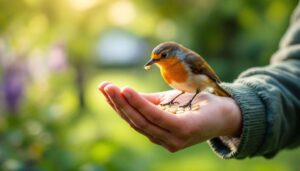
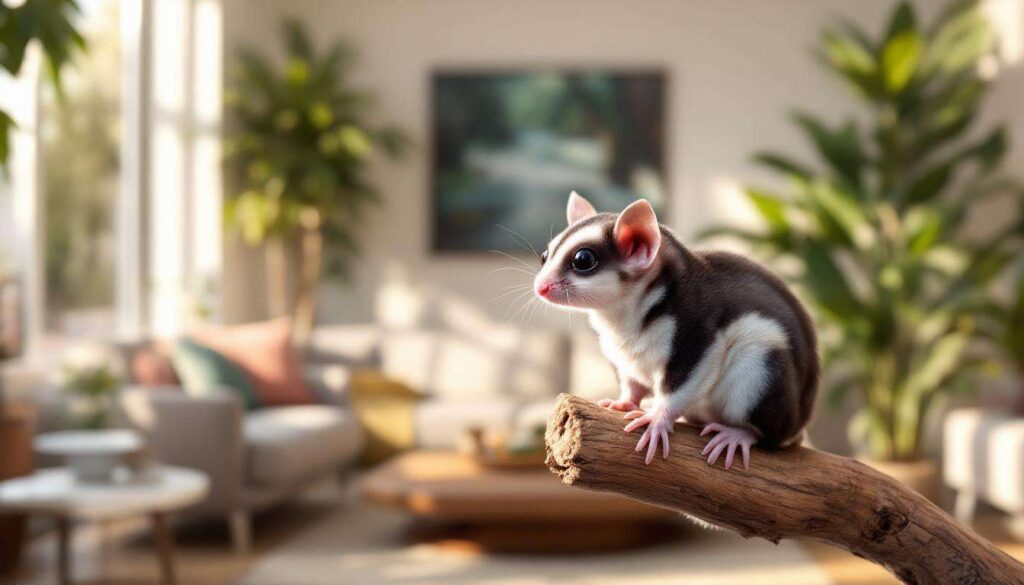
Apartment dwellers often find themselves caught between the desire for companionship and the practical limitations of compact living spaces. While dogs and cats dominate the conversation around pet ownership, a wealth of alternative options exists that can genuinely transform the experience of apartment life. From low-maintenance small mammals to surprisingly sociable birds, these unconventional companions offer unique advantages that traditional pets may not provide. Understanding which animals thrive in confined environments and how they can enrich daily routines has become increasingly relevant as urban populations continue to grow and living spaces shrink.
An ideal pet for apartments
Characteristics that define apartment-friendly pets
The perfect apartment companion possesses several key attributes that distinguish it from larger, more demanding animals. Size naturally plays a crucial role, as smaller creatures require less physical space for movement and housing. Beyond dimensions, however, temperament and noise levels prove equally important in multi-unit buildings where neighbours live in close proximity. Animals that remain relatively quiet throughout the day and night prevent potential conflicts and ensure peaceful coexistence within apartment communities.
Energy requirements also significantly influence suitability for apartment living. Pets that don’t demand extensive outdoor exercise or constant stimulation adapt more readily to indoor environments. The following characteristics typically indicate an apartment-appropriate pet:
- compact size requiring minimal floor space
- naturally quiet disposition with infrequent vocalisation
- moderate to low exercise needs
- ability to remain content during owner absences
- simple housing requirements that fit within limited square footage
Small mammals as viable alternatives
Rabbits, guinea pigs, and hamsters represent excellent choices for apartment residents seeking companionship without overwhelming space demands. These animals typically inhabit cages or enclosures that occupy far less room than dog beds or cat trees, yet they offer genuine interaction and affection. Guinea pigs, for instance, develop distinct personalities and communicate through gentle sounds, providing entertainment and connection without disturbing neighbours through walls.
| Pet type | Space required | Noise level | Daily care time |
|---|---|---|---|
| Guinea pig | 0.7-1 square metre | Low to moderate | 30-45 minutes |
| Rabbit | 1-1.5 square metres | Very low | 45-60 minutes |
| Hamster | 0.4-0.6 square metre | Minimal | 15-20 minutes |
These creatures also align well with the schedules of working professionals, as they don’t require walks or constant supervision throughout the day.
The advantages of new companions
Reduced maintenance demands
Alternative pets frequently require substantially less upkeep than traditional options, making them particularly appealing for busy urban dwellers. Birds such as budgerigars or cockatiels need daily feeding and water changes, along with periodic cage cleaning, but they don’t demand outdoor excursions regardless of weather conditions. This simplified care routine eliminates the stress of rushing home for walks or arranging pet sitters during extended work days.
Small mammals similarly offer straightforward maintenance protocols. Their self-grooming habits reduce the need for professional grooming services, whilst their contained living spaces simplify cleaning routines. Many apartment-suitable pets also produce less waste than larger animals, minimising odour concerns that could affect shared living environments.
Financial considerations
The economic benefits of unconventional pets extend beyond initial purchase costs. Veterinary expenses for smaller animals typically remain lower than those associated with dogs or cats, as routine procedures cost less and emergency treatments prove more affordable. Food requirements also represent a fraction of what larger pets consume, with monthly feeding costs often amounting to minimal expenditure.
- lower veterinary fees for check-ups and treatments
- reduced food expenses due to smaller portions
- minimal equipment costs for housing and accessories
- no professional grooming requirements
- decreased insurance premiums where applicable
Emotional and psychological benefits
Despite their smaller stature, alternative pets provide genuine companionship that positively impacts mental wellbeing. The act of caring for another living creature establishes routine and purpose, whilst interaction with pets has been shown to reduce stress levels and promote relaxation. Birds, in particular, can develop remarkable bonds with their owners, learning to recognise voices and even mimicking speech patterns, creating unique forms of communication.
These advantages naturally lead to questions about selecting the most appropriate companion for individual circumstances and living arrangements.
Choosing the perfect animal for apartment life
Assessing personal lifestyle factors
Successful pet ownership begins with honest evaluation of one’s daily routine, available time, and energy levels. Individuals who travel frequently for work might prioritise pets that tolerate solitude well, such as certain fish species or reptiles that require feeding only every few days. Conversely, those working from home may prefer more interactive companions like rats or parrots that thrive on regular engagement.
Activity preferences also influence ideal pet selection. People who enjoy quiet evenings might appreciate the calming presence of fish in an aquarium, whilst those seeking playful interaction could find fulfilment with ferrets or chinchillas. Matching pet characteristics to personal habits ensures satisfaction for both owner and animal.
Space and housing considerations
Physical apartment dimensions dictate practical limitations on pet options. Studio flats may accommodate smaller caged animals or aquariums more readily than larger enclosures required by rabbits. Vertical space utilisation becomes crucial in compact environments, with wall-mounted bird cages or multi-level small animal habitats maximising available room whilst providing adequate living conditions.
| Apartment size | Recommended pets | Housing solution |
|---|---|---|
| Studio (25-35 sqm) | Fish, hamsters, small birds | Aquariums, compact cages |
| One-bedroom (40-60 sqm) | Guinea pigs, rabbits, cockatiels | Medium enclosures, play pens |
| Two-bedroom (60+ sqm) | Multiple small pets, larger birds | Spacious cages, dedicated pet areas |
Landlord restrictions and building regulations
Before acquiring any pet, apartment residents must thoroughly review tenancy agreements and building policies. Whilst some landlords prohibit all animals, others permit caged pets whilst restricting free-roaming species. Obtaining written permission prevents future conflicts and potential eviction scenarios. Additionally, understanding neighbours’ allergies or sensitivities promotes harmonious community relations.
Once the appropriate companion has been identified, attention must turn to ensuring smooth integration into the home environment.
Tips for integrating your new friend
Preparing the living space
Successful introduction of a new pet requires thoughtful environmental preparation. Designating specific areas for housing, feeding, and play establishes clear boundaries that benefit both animal and owner. Ensuring adequate ventilation near cages prevents odour accumulation, whilst positioning enclosures away from direct sunlight or heating vents maintains comfortable temperatures.
Safety measures prove equally important. Securing electrical cords, removing toxic plants, and blocking small gaps prevents accidents during supervised exploration periods. Creating a pet-proofed zone allows animals to experience enrichment beyond their primary housing whilst protecting them from household hazards.
Establishing routines and boundaries
Consistency in feeding schedules, cleaning protocols, and interaction times helps pets adjust to their new environment. Animals thrive on predictability, and established routines reduce stress whilst promoting healthy behaviours. Setting realistic expectations about noise levels, mess, and time commitments from the outset prevents disappointment and ensures long-term commitment.
- maintain consistent feeding times daily
- establish regular cleaning schedules for enclosures
- designate specific interaction periods
- create quiet zones for rest and retreat
- implement gradual socialisation processes
Building trust and connection
Patience characterises successful bonding with alternative pets. Unlike dogs that often demonstrate immediate affection, smaller animals may require weeks to develop comfort with human interaction. Gentle, consistent handling combined with positive reinforcement through treats gradually builds trust. Speaking softly near enclosures familiarises pets with owner voices, whilst respecting their need for space prevents overwhelming sensitive creatures.
These integration strategies lay the groundwork for ensuring ongoing animal wellbeing throughout the relationship.
Respecting your companion’s welfare
Understanding species-specific needs
Each animal type possesses unique biological and psychological requirements that responsible owners must address. Rabbits need opportunities to hop and explore, requiring supervised time outside enclosures despite apartment constraints. Birds demand mental stimulation through toys, mirrors, and varied perches to prevent boredom-related behaviours. Researching specific species needs before acquisition prevents inadvertent neglect and ensures animals thrive rather than merely survive.
Dietary requirements vary significantly across species. Guinea pigs require vitamin C supplementation, whilst certain bird species need specialised seed mixes and fresh vegetables. Providing appropriate nutrition directly impacts health, longevity, and quality of life, making dietary education essential for prospective owners.
Recognising signs of distress or illness
Vigilant observation allows early detection of health issues that, if addressed promptly, prevent serious complications. Changes in eating patterns, activity levels, or vocalisations often indicate underlying problems requiring veterinary attention. Understanding normal behaviours for specific species enables owners to identify deviations that warrant professional assessment.
| Warning sign | Possible indication | Recommended action |
|---|---|---|
| Reduced appetite | Illness, dental issues | Monitor closely, consult vet if persistent |
| Lethargy | Infection, environmental stress | Check temperature, seek veterinary advice |
| Unusual vocalisations | Pain, distress | Immediate veterinary consultation |
Providing enrichment and stimulation
Mental and physical engagement prevents behavioural problems and promotes psychological wellbeing. Rotating toys, introducing novel objects, and creating exploration opportunities satisfy natural curiosity whilst preventing monotony. Even fish benefit from varied tank decorations and feeding routines that encourage natural foraging behaviours. Enrichment activities transform basic care into genuine quality of life enhancement.
Beyond meeting basic needs, these unconventional companions offer surprising advantages that extend into various aspects of daily life.
The unexpected benefits of an unusual companion
Educational opportunities and personal growth
Caring for less common pets fosters learning and development in ways traditional animals may not. Understanding the specific needs of exotic or unusual species requires research and dedication, cultivating responsibility and commitment. For families with children, these pets provide valuable lessons about biodiversity, ecosystems, and respectful animal treatment without the intensive demands of larger pets.
The problem-solving aspects of creating appropriate habitats and meeting specialised needs develop critical thinking skills. Adapting apartment spaces to accommodate animal requirements encourages creativity and resourcefulness, qualities that translate to other life areas.
Conversation starters and social connections
Unusual pets naturally spark curiosity and dialogue, facilitating social interactions that might not otherwise occur. Sharing experiences with fellow enthusiasts through online communities or local groups creates meaningful connections based on shared interests. These social networks provide support, advice, and friendship that enrich both pet ownership and personal life.
Apartment buildings with multiple small pet owners often develop informal communities where residents exchange care tips, pet-sit during absences, and celebrate their animals’ milestones together, strengthening neighbourhood bonds.
Therapeutic presence in compact living
The calming influence of pets extends beyond traditional therapy animals. Watching fish swim through aquariums reduces blood pressure and anxiety, whilst the gentle sounds of guinea pigs or birds create soothing ambient noise that combats urban isolation. For individuals experiencing stress or loneliness, these companions provide non-judgemental presence that supports emotional equilibrium without demanding extensive interaction during difficult periods.
Apartment living need not preclude the joys and benefits of pet ownership. Alternative companions offer viable solutions that respect space limitations whilst providing genuine connection and enrichment. By carefully selecting animals suited to compact environments, preparing appropriate living conditions, and committing to species-specific welfare requirements, urban dwellers can experience the transformative impact of sharing their homes with creatures beyond the traditional dog or cat. These unconventional pets demonstrate that meaningful companionship comes in diverse forms, each offering unique advantages perfectly aligned with the realities of modern apartment life.