



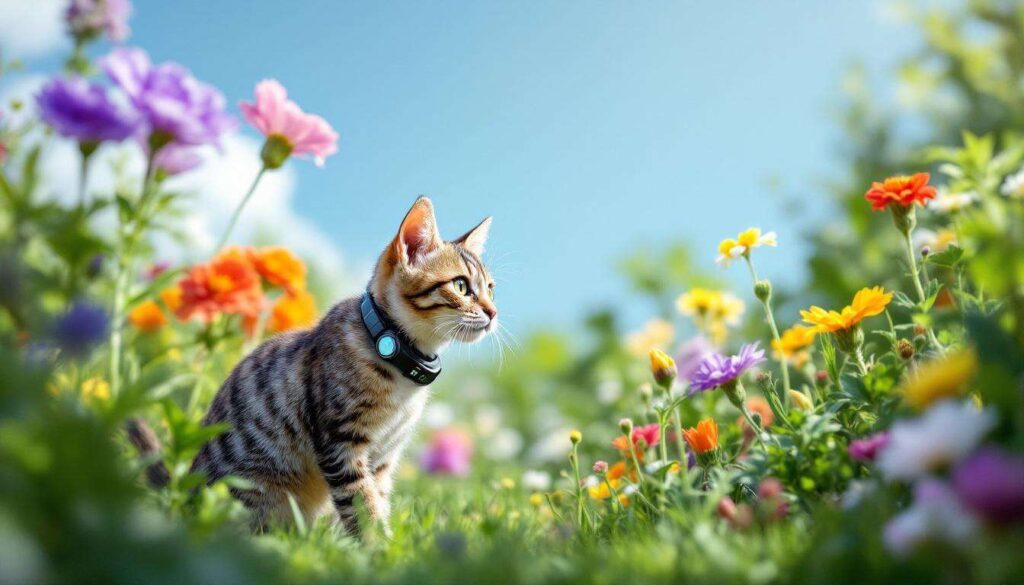
Cats have an innate curiosity and a natural desire to explore, yet the modern world presents numerous hazards that can turn a simple outdoor adventure into a life-threatening situation. Balancing your feline companion’s instinctual needs with safety considerations requires careful planning and a thoughtful approach to outdoor access.
Understanding your cat’s outdoor needs
The natural instincts driving outdoor exploration
Cats are natural hunters and explorers, possessing instincts that have been honed over thousands of years. These behaviours include stalking, climbing, scratching, and patrolling territory. Even domesticated cats retain these primal urges, which can manifest as restlessness or frustration when confined exclusively indoors. Providing outdoor experiences allows cats to express these behaviours in meaningful ways, contributing to their overall wellbeing and mental health.
Assessing your individual cat’s temperament
Not all cats respond to outdoor environments in the same way. Consider the following factors when evaluating your cat’s suitability for outdoor access:
- Age and physical condition: younger, healthier cats may adapt more readily
- Previous exposure: cats raised entirely indoors may find the outdoors overwhelming
- Personality traits: confident cats typically adjust better than anxious individuals
- Breed characteristics: some breeds are more adventurous whilst others prefer indoor comfort
Understanding these individual differences helps you tailor an outdoor programme that suits your cat’s specific needs and limitations. This personalised approach ensures a more positive experience for both you and your pet.
Building a secure outdoor space
Creating a catio or enclosed garden area
A catio (cat patio) offers an excellent compromise between complete indoor confinement and unrestricted outdoor access. These enclosed structures can be custom-built or purchased as modular units, attached to windows or doors for easy access. Essential features include:
- Sturdy wire mesh or screening to prevent escapes
- Multiple levels with shelves and perches for climbing
- Weatherproof roofing for protection from rain and sun
- Enrichment items such as scratching posts and toys
Installing cat-proof fencing
For those with gardens, cat-proof fencing systems can transform an existing outdoor space into a secure environment. These typically involve:
| Fencing type | Description | Effectiveness |
|---|---|---|
| Roller bars | Rotating cylinders along fence tops | Prevents climbing over |
| Angled brackets | Inward-facing extensions at 45 degrees | Deters escape attempts |
| Netting systems | Overhead mesh covering entire space | Complete containment |
These modifications allow cats to enjoy natural surroundings whilst remaining safely contained within your property boundaries. Once you’ve established a secure physical environment, attention must turn to the specific threats that exist beyond your garden walls.
Minimising risks from cars and other animals
Traffic awareness and prevention strategies
Road traffic remains one of the leading causes of injury and death for outdoor cats. To reduce this risk considerably:
- Restrict outdoor access to daylight hours when visibility is optimal
- Keep cats indoors during peak traffic times
- Consider reflective or high-visibility collars for added safety
- Never allow unsupervised access near busy roads
Protection from predators and aggressive animals
Depending on your location, cats may encounter various threats from other animals. Urban areas might harbour aggressive dogs, whilst rural settings could present dangers from foxes, badgers, or birds of prey. Supervised outdoor sessions significantly reduce these risks, allowing you to intervene if threatening situations arise. Installing motion-activated lights and securing potential hiding spots for predators around your property also provides additional protection.
Disease prevention through controlled contact
Ensuring your cat receives comprehensive vaccinations protects against serious illnesses transmitted through contact with other animals. Regular veterinary check-ups and maintaining current parasite prevention treatments create a robust defence against common outdoor health hazards. These medical safeguards work in tandem with physical safety measures to create comprehensive protection.
Encouraging play and mental stimulation
Interactive outdoor activities
Supervised outdoor play sessions provide excellent opportunities for bonding whilst ensuring safety. Harness training allows you to take your cat for controlled walks, gradually introducing new environments at a comfortable pace. Begin training indoors, allowing your cat to become accustomed to wearing the harness before venturing outside. Patience is essential, as some cats require weeks to feel comfortable with this equipment.
Environmental enrichment in secure spaces
Transform your catio or enclosed garden into an engaging environment by incorporating:
- Natural elements such as logs, branches, and cat-safe plants
- Hiding spots created with boxes or purpose-built structures
- Water features for sensory stimulation
- Rotating toy selection to maintain novelty and interest
- Bird feeders positioned safely outside the enclosure for wildlife watching
These enrichment strategies satisfy hunting instincts and provide mental challenges that keep cats engaged and content. Beyond entertainment, practical safety measures become crucial when cats venture outdoors.
Using identification and tracking solutions
Traditional identification methods
A collar with an identity tag remains the most visible form of identification, allowing anyone who finds your cat to contact you immediately. Ensure the collar has a quick-release mechanism to prevent strangulation if it becomes caught. Include your telephone number and address on the tag, updating information promptly if you move house.
Microchipping for permanent identification
Microchips provide permanent identification that cannot be lost or removed. This tiny device, implanted beneath the skin, contains a unique code linked to your contact details in a national database. Regular database updates ensure the information remains current, maximising the chances of reunion if your cat goes missing.
GPS tracking technology
Modern GPS collars offer real-time location tracking, allowing you to monitor your cat’s whereabouts via smartphone applications. These devices provide:
| Feature | Benefit |
|---|---|
| Live location tracking | Immediate awareness of cat’s position |
| Virtual boundary alerts | Notifications when cat leaves designated area |
| Activity monitoring | Insights into behaviour patterns |
| Location history | Understanding of regular routes and territories |
Whilst identification helps recover lost cats, protecting them from environmental hazards requires different considerations.
Avoiding climatic dangers for your cat
Heat-related risks and prevention
Cats can suffer from heatstroke and dehydration during warm weather. Ensure outdoor spaces include shaded areas where cats can retreat from direct sunlight. Provide multiple water stations, refreshing them frequently to encourage hydration. Limit outdoor access during the hottest parts of the day, typically between midday and late afternoon.
Cold weather considerations
Winter conditions present different challenges, particularly for cats unaccustomed to low temperatures. Short-haired breeds and older cats are especially vulnerable to hypothermia. Provide insulated shelters within outdoor enclosures and reduce exposure time during freezing conditions. Watch for signs of discomfort such as shivering or seeking to return indoors.
Protection from toxic substances
Various outdoor hazards can poison cats if ingested. Common dangers include:
- Antifreeze, which has a sweet taste that attracts cats but is highly toxic
- Garden chemicals including pesticides, herbicides, and fertilisers
- Toxic plants such as lilies, azaleas, and rhododendrons
- Slug pellets and rodent poisons
Store chemicals securely and opt for pet-safe alternatives when treating your garden. Research plant toxicity before introducing new species to your outdoor space.
Providing cats with safe outdoor experiences enriches their lives significantly whilst protecting them from the numerous hazards that exist beyond the home. By creating secure physical spaces, implementing proper identification systems, and remaining vigilant about environmental dangers, you can offer your feline companion the best of both worlds. The combination of careful preparation, appropriate equipment, and ongoing supervision ensures that outdoor adventures remain enjoyable rather than life-threatening, allowing your cat to express natural behaviours in a controlled and protected setting.