


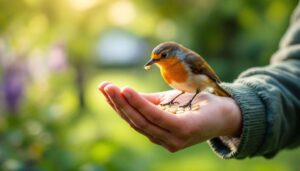
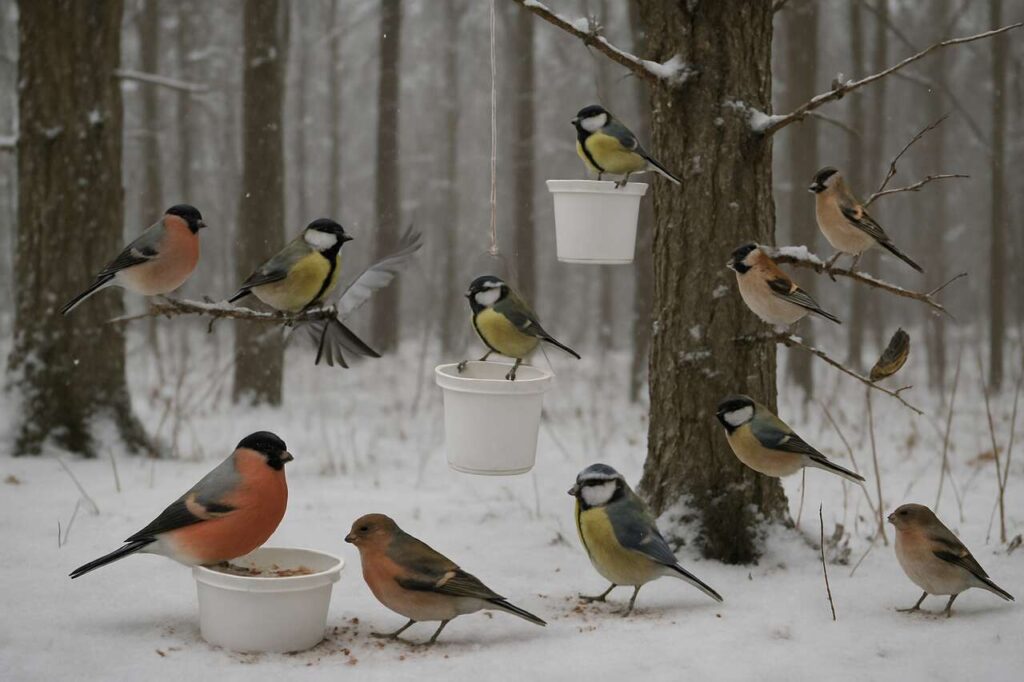
Discarded household items often hold untapped potential for environmental good. Sour cream containers, routinely tossed into recycling bins, can become lifesaving tools for garden birds struggling through freezing temperatures. With minimal effort, these plastic pots transform into effective feeding stations and water sources, offering vital support when natural resources grow scarce.
An eco-friendly gesture to help birds in winter
Repurposing containers for avian welfare
Sour cream pots provide ideal dimensions for bird feeding stations. Their shallow depth prevents smaller species from becoming trapped, while the wide opening accommodates multiple visitors simultaneously. The smooth plastic surface resists freezing adhesion, ensuring birds can access contents even during severe frosts.
Transforming these containers requires minimal preparation. A thorough wash removes dairy residue, whilst small drainage holes prevent water accumulation. Positioning them strategically around gardens creates multiple feeding points, reducing competition amongst different species.
Environmental benefits of reusing plastic
Reusing sour cream containers delivers tangible environmental advantages:
- Reduces plastic waste destined for landfills or recycling facilities
- Eliminates manufacturing demand for purpose-built bird feeders
- Extends product lifecycle through creative repurposing
- Minimises carbon footprint associated with purchasing new items
- Encourages sustainable thinking about everyday waste
This simple act of container reuse aligns with broader conservation principles. By recognising value in discarded items, households contribute to circular economy practices whilst simultaneously supporting local wildlife populations.
Understanding what to place inside these containers proves equally important for maximising their effectiveness during harsh weather conditions.
The benefits of food leftovers for birds
Nutritional value of kitchen scraps
Kitchen leftovers offer surprisingly rich nutritional profiles for wintering birds. Cooked rice, pasta, and porridge provide essential carbohydrates that fuel energy-intensive thermoregulation. Unsalted cheese crumbles deliver concentrated fats and proteins, crucial for maintaining body condition when insects disappear.
| Food Type | Primary Nutrient | Suitable Species |
|---|---|---|
| Cooked potato | Carbohydrates | Blackbirds, thrushes |
| Hard cheese | Fats, protein | Robins, tits |
| Cooked vegetables | Vitamins, fibre | Finches, sparrows |
| Scrambled eggs | Protein | Most garden birds |
Timing and frequency of provision
Offering leftovers during critical morning hours proves most beneficial. Birds expend considerable energy maintaining body temperature overnight, requiring immediate caloric replenishment at dawn. Evening provisions support pre-roosting energy storage, helping them survive long winter nights.
Consistency matters more than quantity. Regular small portions prevent spoilage whilst establishing predictable feeding patterns. Birds quickly learn reliable food source locations, returning daily to gardens offering dependable sustenance.
However, not all containers suit this purpose equally, making selection an important consideration.
Why sour cream pots are essential
Design advantages over alternatives
Sour cream containers possess specific characteristics that outperform many alternatives. Their tapered sides prevent birds from becoming wedged inside, whilst the lightweight construction allows flexible placement options. Unlike cardboard alternatives, plastic withstands repeated exposure to moisture and frost.
The standard size range accommodates various bird species simultaneously. Smaller pots suit individual robins or wrens, whilst larger family-sized containers welcome gregarious species like starlings or sparrows. This versatility maximises garden biodiversity support.
Accessibility and availability
These containers accumulate naturally in most households, requiring no financial investment. Their ubiquity means communities can collectively generate substantial numbers, potentially supporting hundreds of birds across neighbourhoods. Schools, community centres, and care homes can organise collection schemes, amplifying conservation impact.
Transparency regarding proper usage ensures these efforts achieve maximum effectiveness without unintended consequences.
Precautions to take when using leftovers
Foods to avoid completely
Certain kitchen items prove actively harmful to avian health. Salt damages kidneys in birds, making crisps, salted nuts, and processed meats dangerous offerings. Dried rice and bread expand in digestive systems, potentially causing fatal blockages. Chocolate contains theobromine, which proves toxic even in small quantities.
- Never offer salted or seasoned foods
- Avoid mouldy or spoiled leftovers
- Exclude milk and dairy products except hard cheese
- Remove cooked bones that could splinter
- Keep portions small to prevent waste accumulation
Hygiene and maintenance protocols
Regular cleaning prevents disease transmission between visiting birds. Weekly washing with diluted disinfectant eliminates bacterial build-up, whilst thorough rinsing removes chemical residues. Rotating multiple containers allows proper drying between uses, reducing pathogen persistence.
Positioning containers away from windows prevents collision injuries, whilst elevation deters ground predators. Overhanging branches provide escape routes, creating safer feeding environments that encourage repeated visits.
Integrating these practices into daily routines transforms occasional efforts into sustained conservation contributions.
Adopting a beneficial winter habit
Creating sustainable routines
Establishing consistent feeding schedules requires minimal time investment. Morning routines can incorporate quick garden checks, replenishing containers whilst enjoying breakfast. Evening preparations might involve setting aside suitable leftovers from dinner, ready for next-day distribution.
Involving household members distributes responsibilities whilst fostering collective environmental awareness. Children particularly benefit from observing direct conservation impacts, developing lifelong appreciation for wildlife welfare and sustainable practices.
Monitoring and adjusting provision
Observing which foods disappear fastest reveals local preferences, allowing targeted provision adjustments. Some gardens attract predominantly seed-eaters, whilst others host insectivore populations requiring protein-rich alternatives. Adapting offerings maximises resource efficiency and bird satisfaction.
Recording visiting species creates valuable citizen science data, contributing to broader understanding of urban bird populations and their changing behaviours amidst climate fluctuations.
Refining these approaches further enhances their effectiveness throughout the coldest months.
Optimising bird feeding during the cold season
Supplementing with purpose-bought provisions
Whilst leftovers provide excellent supplementary nutrition, combining them with specialist bird foods creates optimal dietary balance. Sunflower hearts, nyjer seeds, and suet blocks deliver concentrated energy unavailable from kitchen scraps alone. This combination approach supports diverse species with varying nutritional requirements.
Water provision alongside food
Hydration proves equally critical during freezing conditions. Sour cream containers filled with fresh water serve dual purposes, particularly when natural sources freeze solid. Floating a small ball prevents complete icing, maintaining access throughout severe cold snaps.
Positioning water containers separately from food stations reduces contamination risks, whilst providing multiple access points accommodates territorial species that avoid crowded feeding areas.
These comprehensive strategies transform gardens into vital refuges, substantially improving survival rates for local bird populations facing increasingly unpredictable winter weather patterns.
Simple household items, thoughtfully repurposed, deliver disproportionate conservation benefits. Sour cream containers represent accessible entry points into practical wildlife support, requiring neither specialist knowledge nor financial outlay. By recognising potential in everyday waste and combining it with suitable food leftovers, anyone can meaningfully contribute to avian welfare during challenging winter months. These small actions, multiplied across communities, create significant collective impact, helping hundreds of birds survive conditions that might otherwise prove fatal.