



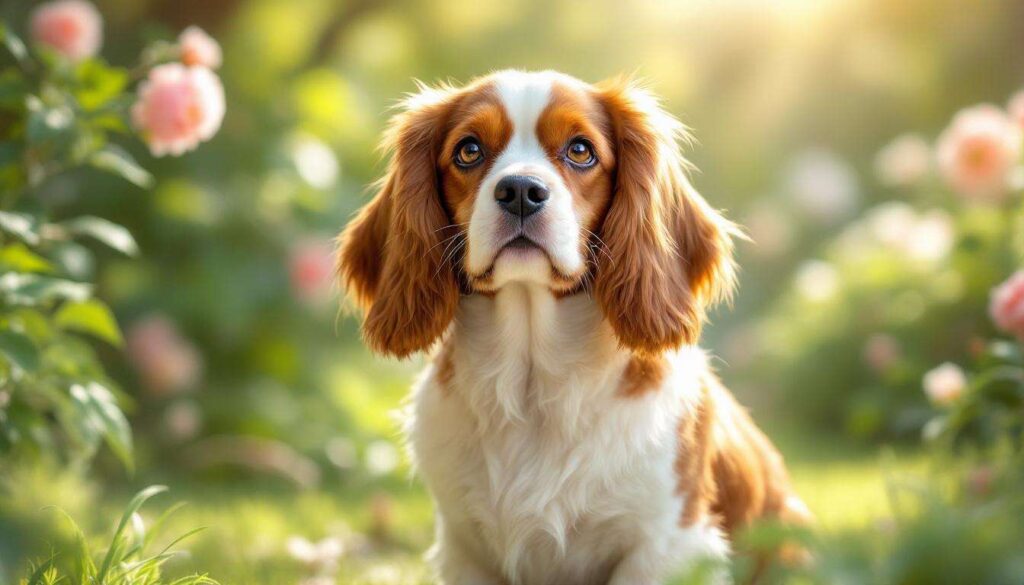
For those seeking a peaceful household companion, selecting a dog breed known for its serene disposition can make all the difference. Whilst many dogs bring energy and enthusiasm into a home, certain breeds naturally exhibit a calmer temperament that suits quieter lifestyles, smaller living spaces, or families preferring a more relaxed pet. Experts in canine behaviour have identified specific breeds that consistently demonstrate tranquil characteristics, making them ideal for owners who value harmony and gentle companionship. Understanding what makes these breeds particularly calm, and how to care for them properly, helps potential owners make informed decisions that benefit both human and canine alike.
Understanding the needs of calm dogs
Physical exercise requirements
Calm dogs still require regular physical activity, though their exercise needs typically differ from high-energy breeds. These dogs generally benefit from moderate daily walks rather than intensive running sessions. A gentle stroll around the neighbourhood or a relaxed play session in the garden often suffices to maintain their physical health without overstimulating them. Owners should recognise that calmness does not equate to laziness, and even the most tranquil breeds need movement to prevent obesity and maintain muscle tone.
Mental stimulation
Peaceful breeds require appropriate mental enrichment to prevent boredom and associated behavioural issues. Interactive toys, puzzle feeders, and gentle training exercises provide the cognitive challenges these dogs need without causing stress or anxiety. Many calm breeds particularly enjoy activities that engage their problem-solving abilities at a measured pace, such as:
- scent work and nose games
- slow-paced obedience training
- gentle interactive play with their owners
- food-dispensing toys that reward patience
Emotional requirements
Calm dogs often form deep emotional bonds with their families and thrive on consistent companionship. These breeds typically dislike being left alone for extended periods and may develop separation anxiety if their emotional needs are neglected. Providing a stable routine, comfortable resting spaces, and regular quality time strengthens the bond between owner and dog whilst maintaining the animal’s naturally peaceful disposition.
Having established what calm dogs need to thrive, prospective owners must then consider which specific breeds best match their lifestyle and expectations.
Non-hyperactive breeds: which ones to choose ?
Large calm breeds
Several large dog breeds are renowned for their gentle and composed nature despite their imposing size. The Bulldog, with its stocky build and affectionate personality, ranks amongst the most popular calm breeds. Similarly, the Great Dane earns its reputation as a gentle giant, combining impressive stature with a loving temperament that makes it suitable for family life. Mastiffs, including both English and Neapolitan varieties, display remarkable patience and loyalty whilst maintaining a naturally calm demeanour. The Saint Bernard, historically bred for mountain rescue, possesses a docile temperament and extraordinary patience, particularly with children.
| Breed | Average weight | Temperament trait |
|---|---|---|
| Bulldog | 23-25 kg | Affectionate, friendly |
| Great Dane | 54-90 kg | Gentle, loving |
| Mastiff | 54-104 kg | Loyal, calm |
| Saint Bernard | 64-82 kg | Patient, docile |
Medium-sized tranquil breeds
For those preferring moderately sized dogs, several breeds offer exceptional calmness without the space requirements of larger animals. The Clumber Spaniel displays remarkable gentleness and adaptability, making it an excellent choice for families with other pets. Cavalier King Charles Spaniels possess a naturally peaceful temperament and rarely exhibit excessive vocalisation, whilst their moderate size makes them suitable for various living environments. The Bernese Mountain Dog, though substantial, maintains a stable and good-humoured disposition that appeals to active families seeking a composed companion.
Small calm companions
Smaller breeds can also exhibit remarkably tranquil personalities. The Pekingese prefers a quiet lifestyle and adapts well to apartment living, making it ideal for those seeking a peaceful lap dog. Tibetan Terriers, despite their name, demonstrate affectionate devotion to their families whilst maintaining a composed demeanour. These smaller calm breeds particularly suit:
- elderly owners seeking manageable companions
- apartment dwellers with limited space
- individuals preferring quieter, less demanding pets
- families wanting a gentle dog for children
Beyond selecting the right breed, understanding maintenance requirements helps ensure these calm dogs remain healthy and content throughout their lives.
Low maintenance dogs
Grooming requirements
Many calm breeds require minimal grooming, though specific needs vary considerably between breeds. Bulldogs and Mastiffs possess short coats that need only weekly brushing to remove loose hair and maintain skin health. However, breeds like the Cavalier King Charles Spaniel and Bernese Mountain Dog feature longer coats requiring more frequent attention to prevent matting. The Greyhound, often overlooked as a calm companion, has extremely low grooming needs with its short, fine coat requiring minimal maintenance.
| Breed | Grooming frequency | Special considerations |
|---|---|---|
| Bulldog | Weekly | Facial fold cleaning |
| Greyhound | Weekly | Minimal shedding |
| Pekingese | Daily | Long coat maintenance |
| Irish Wolfhound | Weekly | Occasional trimming |
Exercise demands
Calm breeds typically require moderate exercise routines that suit owners with less active lifestyles. Most of these dogs thrive with two 20-30 minute walks daily, supplemented by gentle play sessions. The Greyhound, despite its racing heritage, actually prefers short bursts of activity followed by extended rest periods, earning it the nickname 40-mile-per-hour couch potato. This moderate exercise requirement makes calm breeds particularly suitable for working professionals or those with physical limitations.
Health considerations
Whilst generally robust companions, calm breeds may be predisposed to certain health conditions that require monitoring rather than intensive intervention. Large breeds like Great Danes and Irish Wolfhounds may experience joint issues, necessitating appropriate nutrition and weight management. Brachycephalic breeds such as Bulldogs require attention to breathing and temperature regulation but rarely need complex medical interventions when properly cared for. Regular veterinary check-ups and preventative care typically suffice to maintain these dogs’ health throughout their lives.
With appropriate care established, the question of training these naturally calm breeds becomes paramount for ensuring harmonious household integration.
Ease of training for tranquil breeds
Natural temperament advantages
Calm dog breeds often demonstrate superior trainability due to their naturally composed disposition. Their ability to focus without becoming overly excited or distracted makes training sessions more productive and less stressful for both dog and owner. Breeds like the Cavalier King Charles Spaniel and Clumber Spaniel possess an inherent desire to please, which accelerates learning and strengthens the human-animal bond during training.
Training methods for peaceful breeds
These dogs respond exceptionally well to positive reinforcement techniques that reward desired behaviours rather than punishing mistakes. Gentle, consistent training approaches yield the best results, as harsh corrections may damage the trusting relationship these breeds naturally develop with their owners. Effective training strategies include:
- short, frequent training sessions to maintain engagement
- food rewards and verbal praise for correct responses
- patience with slower learners who process information carefully
- consistency in commands and expectations across all family members
- gradual introduction to new environments and situations
Socialisation requirements
Whilst calm breeds are generally less reactive than high-energy dogs, proper socialisation remains essential. Early exposure to various people, animals, and environments helps these dogs develop confidence whilst maintaining their naturally peaceful demeanour. The Tibetan Terrier, for instance, tends towards aloofness with strangers but benefits enormously from structured socialisation that respects its reserved nature. Gradual, positive introductions to new experiences prevent anxiety whilst preserving the breed’s characteristic tranquillity.
Having explored the theoretical aspects of calm breeds, examining specific examples provides practical insight into what prospective owners can expect from these remarkable dogs.
Examples of the calmest dog breeds
The Bulldog: affectionate companion
The Bulldog represents one of the most recognisable calm breeds, combining a distinctive appearance with an exceptionally gentle nature. These dogs form strong attachments to their families and particularly enjoy quiet moments of companionship. Their moderate size and low exercise requirements make them suitable for various living situations, from apartments to houses with gardens. Despite their somewhat fierce historical reputation, modern Bulldogs are remarkably patient with children and adapt well to family routines.
Great Dane and Mastiff varieties
Large guardian breeds like the Great Dane and Mastiff demonstrate that size does not preclude gentleness. These imposing dogs possess naturally calm temperaments that make them excellent family protectors without aggressive tendencies. The Neapolitan Mastiff, with its distinctive wrinkled appearance, maintains a stoic and peaceful presence despite its protective instincts. Both breeds require experienced owners who understand their needs but reward proper care with unwavering loyalty and affection.
Spaniel breeds: gentle and adaptable
The Clumber Spaniel and Cavalier King Charles Spaniel offer calm companionship in more manageable sizes. These breeds excel at reading human emotions and adjusting their behaviour accordingly, making them particularly suitable for households seeking sensitive, intuitive pets. Their playful nature emerges during appropriate times whilst maintaining an overall peaceful disposition. The Cavalier’s adaptability to various living situations and its minimal vocalisation make it especially popular amongst urban dwellers.
Giant gentle breeds
Breeds like the Irish Wolfhound and Saint Bernard combine impressive stature with remarkable gentleness. The Irish Wolfhound, despite being one of the tallest dog breeds, displays a calm and affectionate nature that contradicts its imposing appearance. These dogs form deep bonds with their families and demonstrate patience that makes them suitable for households with children. Their majestic presence provides security without aggression, whilst their tranquil temperament ensures peaceful coexistence.
Unexpected calm breeds
The Greyhound surprises many potential owners with its calm household behaviour. Despite their racing background, retired Greyhounds adapt remarkably well to domestic life, spending most of their time resting comfortably. The Pekingese and Tibetan Terrier represent smaller options that prefer quiet environments and demonstrate loyalty to their chosen family members. These breeds particularly suit individuals seeking devoted companions without the demands of high-energy dogs.
Selecting a calm dog breed offers numerous advantages for owners seeking peaceful companionship. The twelve breeds discussed demonstrate that tranquillity comes in various sizes and appearances, from the compact Pekingese to the towering Irish Wolfhound. Understanding their specific needs regarding exercise, grooming, and training ensures these naturally composed dogs thrive in their homes. Whilst genetics provide a foundation for temperament, proper socialisation, consistent training, and appropriate care remain essential for developing and maintaining calm behaviour. Prospective owners should carefully consider their lifestyle, living situation, and capacity to meet each breed’s requirements before making a commitment. With the right match between owner and dog, these serene breeds provide years of gentle companionship and unwavering devotion.