



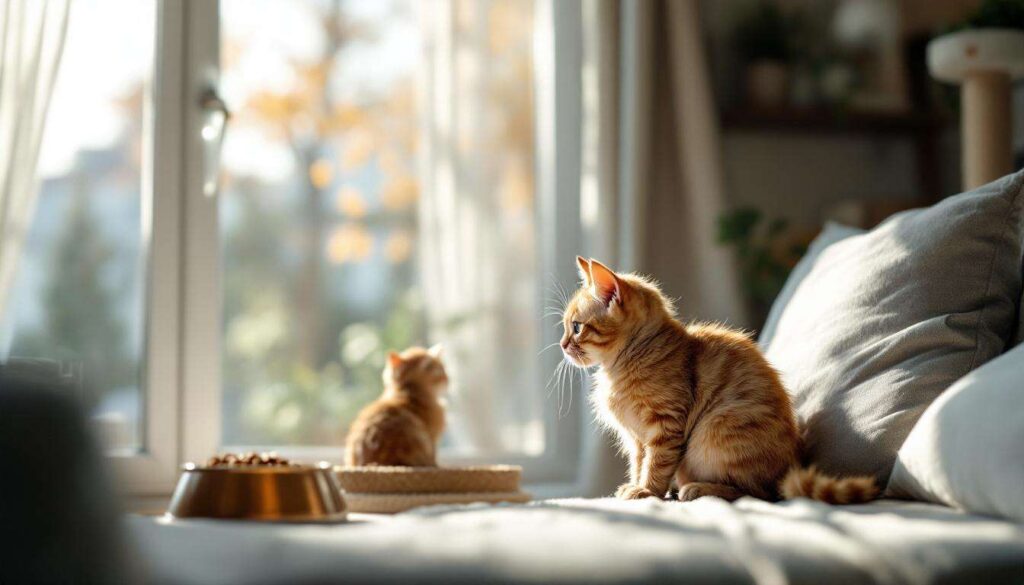
Cats are often perceived as independent creatures, but they require just as much affection and attention as any other companion animal. When felines don’t receive adequate love and care from their owners, they frequently exhibit specific warning signs that shouldn’t be ignored. Recognising these indicators early can help restore the emotional balance your pet needs to thrive. Understanding your cat’s emotional requirements is essential for maintaining a healthy, harmonious relationship with your furry companion.
Tell-tale behavioural signs
Destructive actions around the home
When cats feel neglected or emotionally deprived, they often resort to destructive behaviours as a cry for attention. These actions may include scratching furniture excessively, knocking items off shelves deliberately, or clawing at curtains and carpets. Such behaviour typically stems from frustration and boredom rather than malice. Your cat may be attempting to communicate that something is amiss in their emotional environment.
Increased vocalisation patterns
A cat that suddenly becomes more vocal than usual may be signalling emotional distress. This can manifest as:
- Persistent meowing throughout the day and night
- Loud crying or yowling when you’re in another room
- Unusual chirping or chattering sounds
- Excessive purring that seems anxious rather than content
These vocal changes often indicate that your feline friend is desperately seeking more interaction and affection from you.
Aggression or irritability
Cats deprived of sufficient love may display uncharacteristic aggression towards their owners or other pets in the household. This might include swatting, hissing, biting during play, or refusing to be touched. Such behaviour reflects the animal’s emotional turmoil and should prompt immediate attention to their care routine.
Beyond these obvious behavioural changes, cats may also show their distress through alterations in their daily routines, particularly regarding food consumption.
Changes in eating habits
Loss of appetite and meal refusal
One of the most concerning signs that your cat isn’t receiving enough affection is a sudden decrease in appetite. Cats are creatures of habit, and when their emotional needs aren’t met, they may lose interest in food altogether. This can manifest as leaving meals untouched, eating only small portions, or showing complete disinterest when food is presented. Emotional stress directly impacts a cat’s desire to eat, much as it does in humans.
Stress-related overeating
Conversely, some cats respond to emotional neglect by overeating or comfort feeding. This compensatory behaviour serves as a coping mechanism for the lack of attention they’re experiencing. You might notice your cat:
- Begging for food constantly throughout the day
- Eating significantly faster than normal
- Seeking out food even immediately after meals
- Gaining weight rapidly despite unchanged portions
Both extremes in eating patterns warrant careful observation and potential veterinary consultation to rule out underlying health issues whilst addressing the emotional component.
Just as eating patterns can reveal emotional distress, a cat’s personal hygiene routine often provides equally important clues about their wellbeing.
Alteration in grooming routine
Neglected personal hygiene
Cats are naturally fastidious creatures, spending considerable time maintaining their coats. When a feline stops grooming adequately, it’s often a significant indicator of emotional distress. You may observe a dull, matted coat, visible dirt accumulation, or an unkempt appearance overall. This self-neglect typically signals that your cat is experiencing depression or anxiety stemming from insufficient affection and interaction.
Excessive grooming and bald patches
On the opposite end of the spectrum, some cats respond to emotional deprivation through compulsive over-grooming. This stress-related behaviour can lead to:
- Bald patches on various parts of the body
- Raw or irritated skin from constant licking
- Hairballs occurring more frequently than usual
- Obsessive grooming sessions lasting extended periods
This self-soothing behaviour serves as a coping mechanism for cats dealing with emotional distress, similar to how humans might engage in nervous habits when anxious.
While grooming changes reflect internal emotional struggles, some cats express their need for love through more direct approaches to their human companions.
Excessive seeking of human attention
Persistent following and shadowing
A cat that constantly follows you from room to room may be demonstrating that they’re not receiving adequate quality time with you. This shadowing behaviour indicates your feline friend is desperately seeking more interaction and reassurance. They may position themselves directly in your path, sit on your keyboard whilst you’re working, or refuse to leave your side even for brief moments.
Intrusive behaviours during activities
Attention-deprived cats often resort to increasingly intrusive tactics to gain your focus. These may include:
- Pawing at your face whilst you’re sleeping
- Sitting directly on books, tablets, or laptops you’re using
- Knocking objects off surfaces to gain your attention
- Inserting themselves between you and other people or pets
These demanding behaviours shouldn’t be dismissed as mere annoyance but recognised as genuine pleas for more affection and engagement from their primary caregiver.
However, not all cats respond to emotional neglect by seeking more contact; some react in precisely the opposite manner.
Progressive avoidance or isolation
Withdrawal to hiding spots
Some cats respond to insufficient affection by retreating and isolating themselves from household activities. You might find your cat spending excessive time under beds, in wardrobes, or other secluded areas. This withdrawal behaviour represents their attempt to cope with emotional distress by removing themselves from situations where they feel their needs aren’t being met.
Reduced participation in family activities
A once-social cat that suddenly stops participating in daily household routines is sending a clear message. This might manifest as:
- No longer greeting you at the door when you arrive home
- Avoiding communal spaces where family members gather
- Refusing to join in play sessions or interactive activities
- Sleeping in isolated areas rather than near family members
This progressive isolation often indicates that your cat has given up attempting to secure the attention they crave and has resigned themselves to emotional solitude.
This withdrawal frequently accompanies a broader pattern of diminished engagement with their environment and the people within it.
Decreased responsiveness and interaction
Lack of reaction to stimuli
Cats experiencing emotional neglect often display reduced responsiveness to their surroundings. They may fail to react when you call their name, show little interest in their favourite toys, or remain unmoved by activities that previously excited them. This emotional flatness resembles depression in humans and indicates that your cat’s psychological needs aren’t being adequately addressed.
Diminished play drive and energy
A notable decrease in playfulness and overall energy levels can signal insufficient affection. You might observe:
- Complete disinterest in toys that once captivated them
- Lethargy and extended sleeping periods beyond normal
- Lack of curiosity about new objects or changes in environment
- Minimal physical activity throughout the day
This reduced engagement with their environment often reflects a cat’s emotional state when they feel unloved or neglected by their human companions.
Recognising these seven signs in your feline companion provides valuable insight into their emotional wellbeing. Cats communicate their needs differently than dogs or other pets, making it essential for owners to remain vigilant about subtle changes in behaviour, eating patterns, grooming habits, and social interaction. Addressing these issues promptly through increased quality time, interactive play sessions, and consistent affection can restore your cat’s emotional balance. Remember that every cat possesses unique personality traits and requirements, so tailoring your approach to your individual pet’s preferences will yield the best results in rebuilding that essential bond of trust and love.