



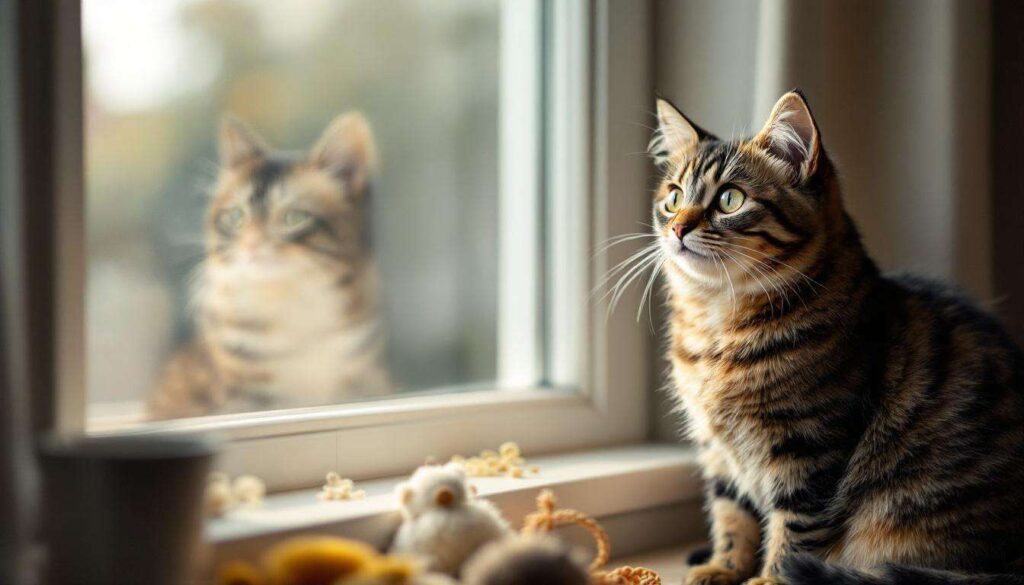
Cats possess a remarkable ability to communicate their needs and distress through subtle signals that many owners might overlook. Understanding these signs can make the difference between timely intervention and a potentially serious health issue. Whilst felines are known for their independent nature, they rely on their human companions to recognise when something isn’t quite right. Learning to interpret these distress signals ensures that our feline friends receive the care and attention they need when facing physical discomfort, emotional stress, or environmental challenges.
Sudden Behavioural Changes
Recognising Shifts in Daily Routines
When a cat abruptly alters its established patterns, this often serves as one of the most significant indicators that something requires attention. These changes can manifest in various ways, from a once-sociable cat suddenly hiding for extended periods to a typically aloof feline becoming unexpectedly clingy. Observing these deviations from normal behaviour provides crucial insights into your cat’s wellbeing.
Common behavioural shifts that warrant concern include:
- Withdrawal from family members and favourite activities
- Sleeping in unusual locations or for significantly longer periods
- Reluctance to jump onto furniture or climb stairs
- Decreased interest in play or toys that previously excited them
- Changes in litter box usage patterns or location preferences
Understanding the Underlying Causes
These behavioural modifications can stem from numerous sources, ranging from physical ailments to psychological distress. Pain from arthritis, dental problems, or internal issues frequently causes cats to retreat and modify their activity levels. Environmental stressors such as household changes, new pets, or altered routines can also trigger significant behavioural responses. Monitoring the duration and intensity of these changes helps determine whether veterinary consultation is necessary.
Such alterations in behaviour often serve as the foundation for recognising other distress signals, particularly those involving vocal communication.
Unusual Meowing
Decoding Vocal Patterns
Cats employ a sophisticated vocal repertoire to communicate with humans, and changes in their meowing patterns frequently signal distress or discomfort. A cat that suddenly becomes more vocal or produces unusual sounds may be attempting to convey pain, anxiety, or urgent needs. Understanding the nuances of feline vocalisation helps owners respond appropriately to their pet’s requirements.
| Vocal Signal | Possible Meaning | Recommended Action |
|---|---|---|
| Persistent, loud meowing | Pain, hunger, or attention seeking | Check food, water, and litter; observe for other symptoms |
| Low-pitched, mournful cries | Discomfort or distress | Physical examination and veterinary consultation |
| Excessive night-time vocalisation | Cognitive dysfunction, hyperthyroidism | Veterinary assessment, especially in senior cats |
| Sudden silence in normally vocal cats | Respiratory issues, severe illness | Immediate veterinary attention |
Context and Frequency Matters
The circumstances surrounding unusual vocalisation provide essential context for interpretation. A cat meowing at its food bowl differs significantly from one crying whilst using the litter box or attempting to move. Senior cats may develop cognitive issues that manifest as night-time vocalisation, whilst younger cats might signal boredom or insufficient stimulation. Recording the timing, duration, and specific situations that trigger unusual meowing assists veterinarians in diagnosing potential problems.
Vocal changes often accompany modifications in another fundamental aspect of feline life: their relationship with food.
Changes in Eating Habits
Appetite Fluctuations as Warning Signs
A cat’s eating behaviour serves as a reliable barometer of their overall health, making any significant changes worthy of immediate attention. Both increased and decreased appetite can indicate underlying medical conditions that require professional evaluation. Monitoring food intake helps identify problems before they escalate into serious health crises.
Decreased Food Intake
When a cat shows reduced interest in meals or stops eating entirely, this demands prompt investigation. Potential causes include:
- Dental disease causing pain whilst chewing
- Gastrointestinal disorders affecting digestion
- Kidney disease or liver problems
- Upper respiratory infections affecting sense of smell
- Stress from environmental changes
- Food aversion due to spoilage or unfamiliar ingredients
Cats can develop serious conditions such as hepatic lipidosis if they go without food for more than 24 to 48 hours, making rapid intervention crucial.
Increased Appetite
Conversely, excessive hunger accompanied by weight loss suggests metabolic disorders. Hyperthyroidism, diabetes mellitus, and intestinal parasites commonly cause increased appetite despite adequate feeding. Observing whether weight gain or loss accompanies appetite changes provides valuable diagnostic information.
Just as eating patterns reflect physical health, a cat’s interactions with people and other animals reveal their emotional state.
Aggressive or Nervous Behaviour
Identifying Uncharacteristic Reactions
When a typically gentle cat suddenly displays aggression or extreme nervousness, this transformation signals significant distress. These behavioural shifts can manifest as hissing, swatting, biting, or excessive fearfulness in situations that previously posed no concern. Understanding the triggers and patterns helps distinguish between temporary stress and serious underlying issues.
Physical Causes of Aggression
Pain represents one of the primary drivers of sudden aggression in cats. A feline experiencing discomfort may lash out when touched in sensitive areas or anticipating painful contact. Common physical causes include:
- Arthritis making handling uncomfortable
- Urinary tract infections causing abdominal sensitivity
- Ear infections or dental pain
- Wounds or abscesses from fights
- Neurological conditions affecting behaviour
Psychological and Environmental Factors
Beyond physical ailments, environmental stressors can trigger dramatic behavioural changes. Introduction of new pets, household renovations, changes in routine, or even alterations in owner behaviour can provoke anxiety-driven aggression. Cats with inadequate environmental enrichment may develop frustration that manifests as redirected aggression towards humans or other pets.
These emotional responses often influence another visible aspect of feline behaviour: their grooming habits.
Excessive or Insufficient Grooming
The Grooming Spectrum
Cats spend approximately 30 to 50 per cent of their waking hours grooming, making deviations from this norm particularly noteworthy indicators of distress. Both over-grooming and neglecting personal hygiene signal that something has disrupted normal functioning, whether physical illness, pain, or psychological stress.
Over-Grooming and Its Consequences
Excessive grooming, also known as psychogenic alopecia, results in noticeable hair loss and skin irritation. Cats may lick, chew, or pull out fur compulsively, creating bald patches typically on the abdomen, inner thighs, or flanks. Underlying causes include:
- Allergies to food, fleas, or environmental factors
- Parasitic infestations causing itching
- Skin infections or dermatological conditions
- Anxiety, stress, or obsessive-compulsive disorders
- Pain in specific body regions
Grooming Neglect
Conversely, a cat that stops grooming develops a dull, matted, or unkempt coat. This neglect often indicates serious health problems such as obesity preventing access to certain body areas, arthritis making grooming movements painful, or systemic illness causing lethargy. Dental disease can also discourage grooming, as cats use their teeth during the grooming process.
Whether grooming too much or too little, these behaviours often coincide with changes in how cats seek interaction with their owners.
Excessive Attention Seeking
When Clinginess Signals Distress
Whilst many owners appreciate affection from their cats, sudden or excessive attention-seeking behaviour can indicate underlying problems requiring investigation. A typically independent cat that becomes persistently demanding, follows owners constantly, or vocalises insistently for attention may be communicating discomfort, anxiety, or illness.
Medical Reasons for Increased Attention
Cats experiencing pain or illness often seek comfort from their owners, recognising humans as sources of security and potential relief. Specific medical conditions that trigger attention-seeking include:
- Hyperthyroidism causing restlessness and anxiety
- Cognitive dysfunction in senior cats leading to disorientation
- Sensory decline making cats feel vulnerable
- Chronic pain conditions requiring reassurance
- Nausea or gastrointestinal discomfort
Psychological and Environmental Factors
Beyond physical ailments, emotional needs drive attention-seeking behaviour. Cats experiencing separation anxiety, boredom, or insufficient environmental enrichment may demand excessive interaction. Changes in household dynamics, such as a family member leaving or new pets arriving, can trigger clingy behaviour as cats seek stability and reassurance.
Recognising when attention-seeking crosses from normal affection into distress signals enables owners to address both the symptoms and underlying causes effectively.
Understanding these seven signals empowers cat owners to respond swiftly when their feline companions require assistance. From behavioural changes and unusual vocalisation to eating habit modifications, aggression, grooming abnormalities, and excessive attention-seeking, each signal provides valuable information about a cat’s physical and emotional state. Regular observation of normal patterns allows for quick identification of deviations that warrant concern. When multiple signals appear simultaneously or persist beyond a day or two, veterinary consultation becomes essential. By remaining attentive to these communications, owners can ensure their cats receive timely care, strengthening the bond between human and feline whilst safeguarding their pet’s health and wellbeing.